2025 has been a huge year so far for microplastic awareness. Social media and news outlets have picked up on the big story behind these tiny particles, leading to great strides in discussion and innovation.
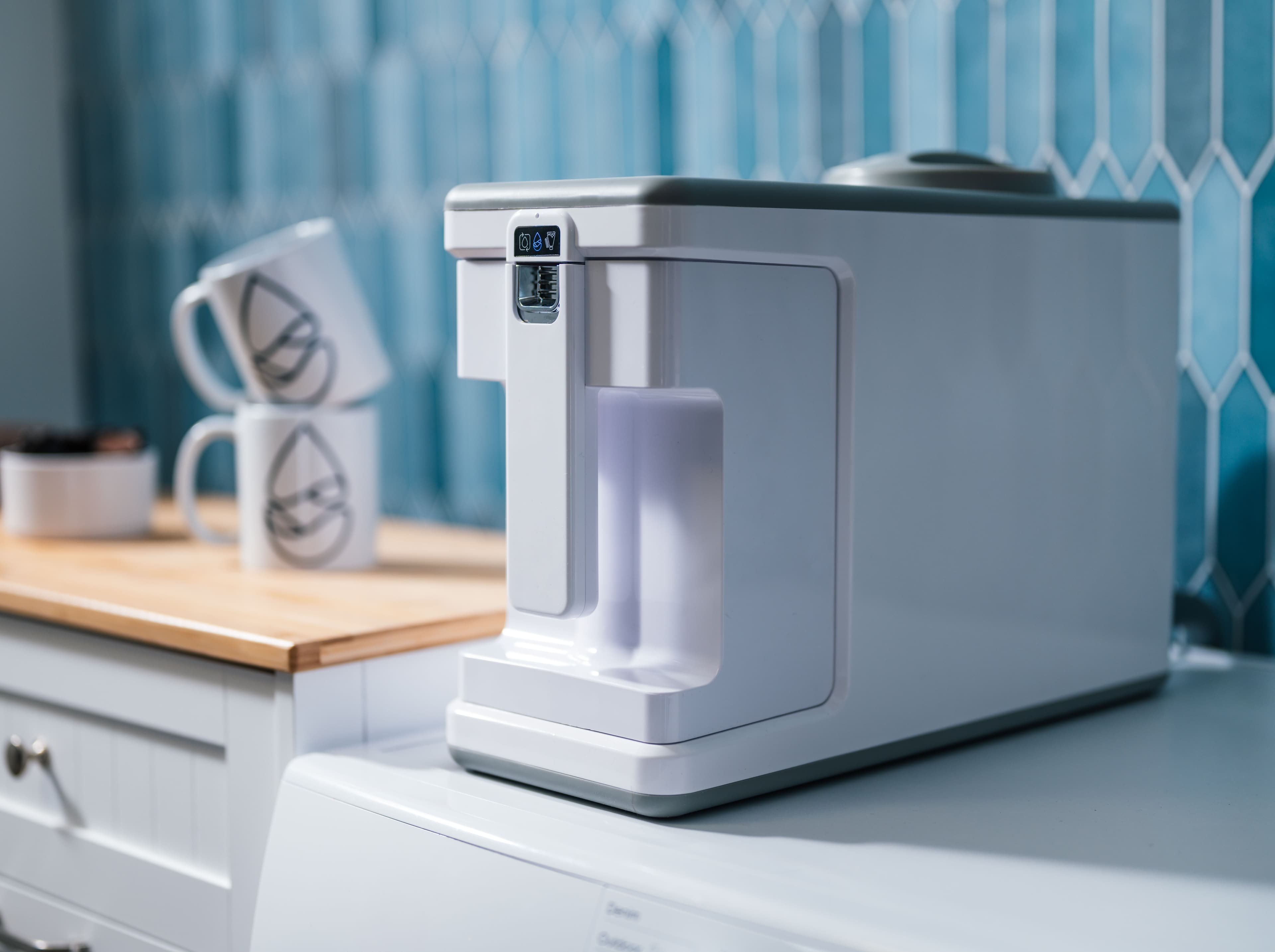
While brands are changing course from synthetic to organic materials in the clothing, bedding, kitchenware, and skincare industries to appeal to the growing concern behind microplastic exposure, the young Ohioan startup CLEANR is focused on reducing the microplastic output from household laundry rooms.
Tackling the largest source of microplastics
Over a third of all microplastic and nanoplastic particles that are released into the environment come from an inconspicuous origin - your very own washing machine. If consumers can invest in technology limit their exposure to microplastics, can they also reduce their microplastic footprint on the environment?
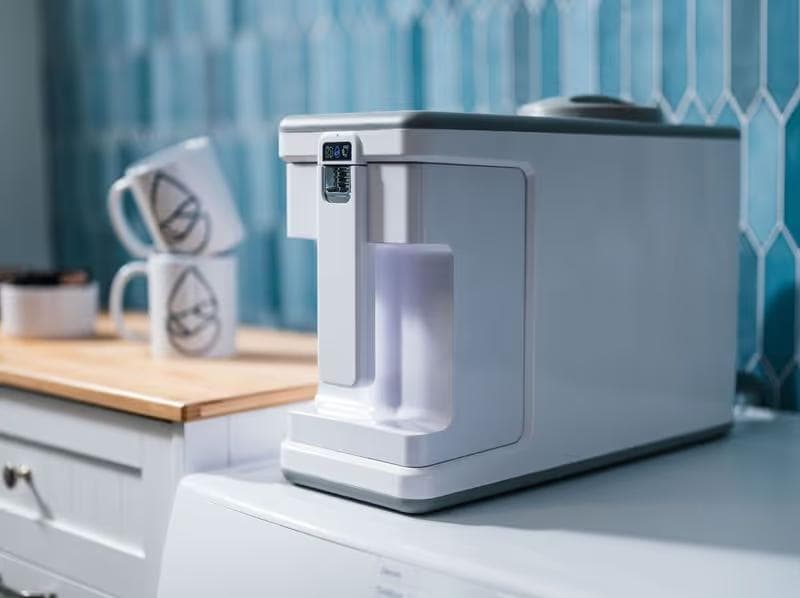
CLEANR aims to answer this question with a unique kind of filtration system; a filter that removes microplastics from water on the way out of our house instead of on the way into our water bottles.
If you didn’t already know, each piece of synthetic clothing such as fleece can release up to 700,000 pieces of microplastic into wastewater effluent per wash.
Depending on where you live in the world, some of this wastewater may end up being treated, but certainly not to the extent that would remove most microplastics from entering the environment.
This is a big deal, because these microplastics negatively affect the natural functions of all life on earth and often end up right back in our bodies through the food chain, water supply, or even the air we breathe.
An efficient and scaleable solution
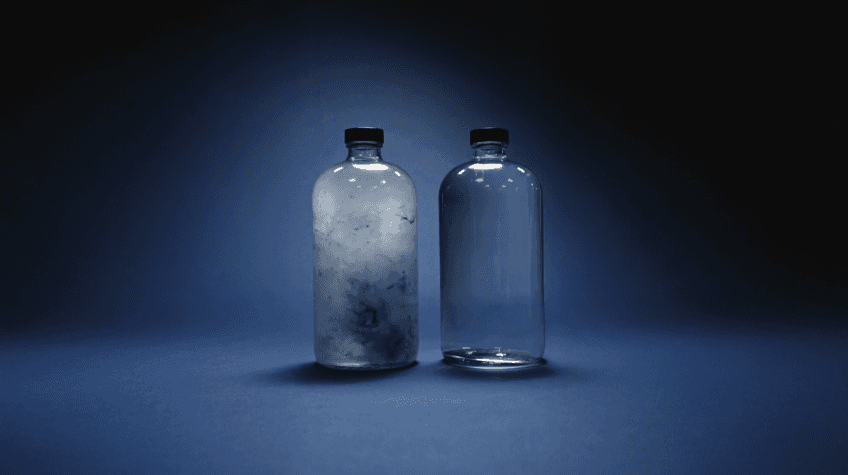
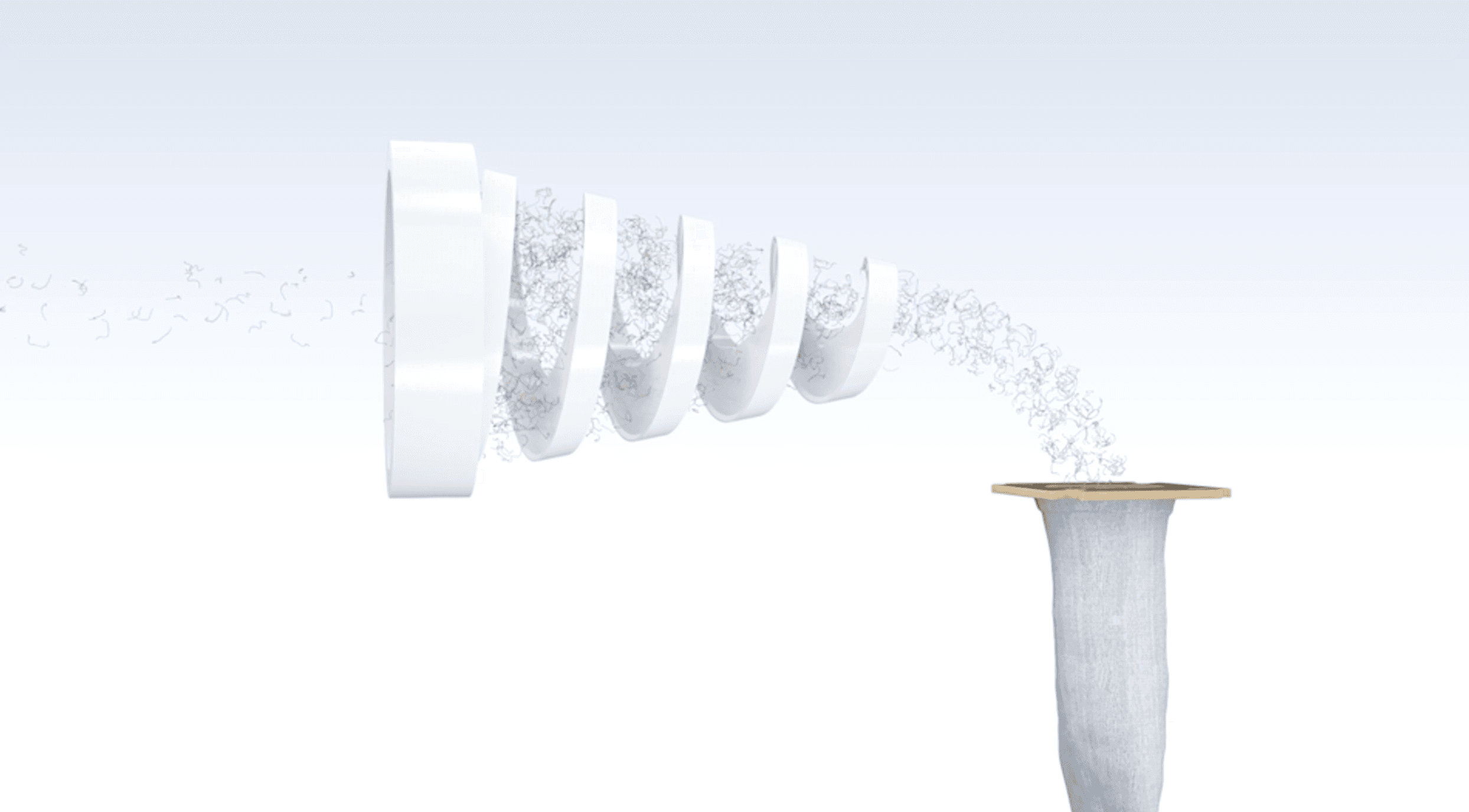
The concept for their filter is simple, but beautifully executed. By using a biomimicry inspired design based on gills from aquatic animals, CLEANR’s VORTX technology removes 90% of microplastics down to 50 microns in size, more than half of all microplastics by volume released from a typical load of laundry.
The VORTX is biomimicry inspired to require no moving parts. The filter will eventually allow for a wide variety of applications, such as to high-traffic apartment complexes, laundromats, and college campuses.
Promising results in university trials
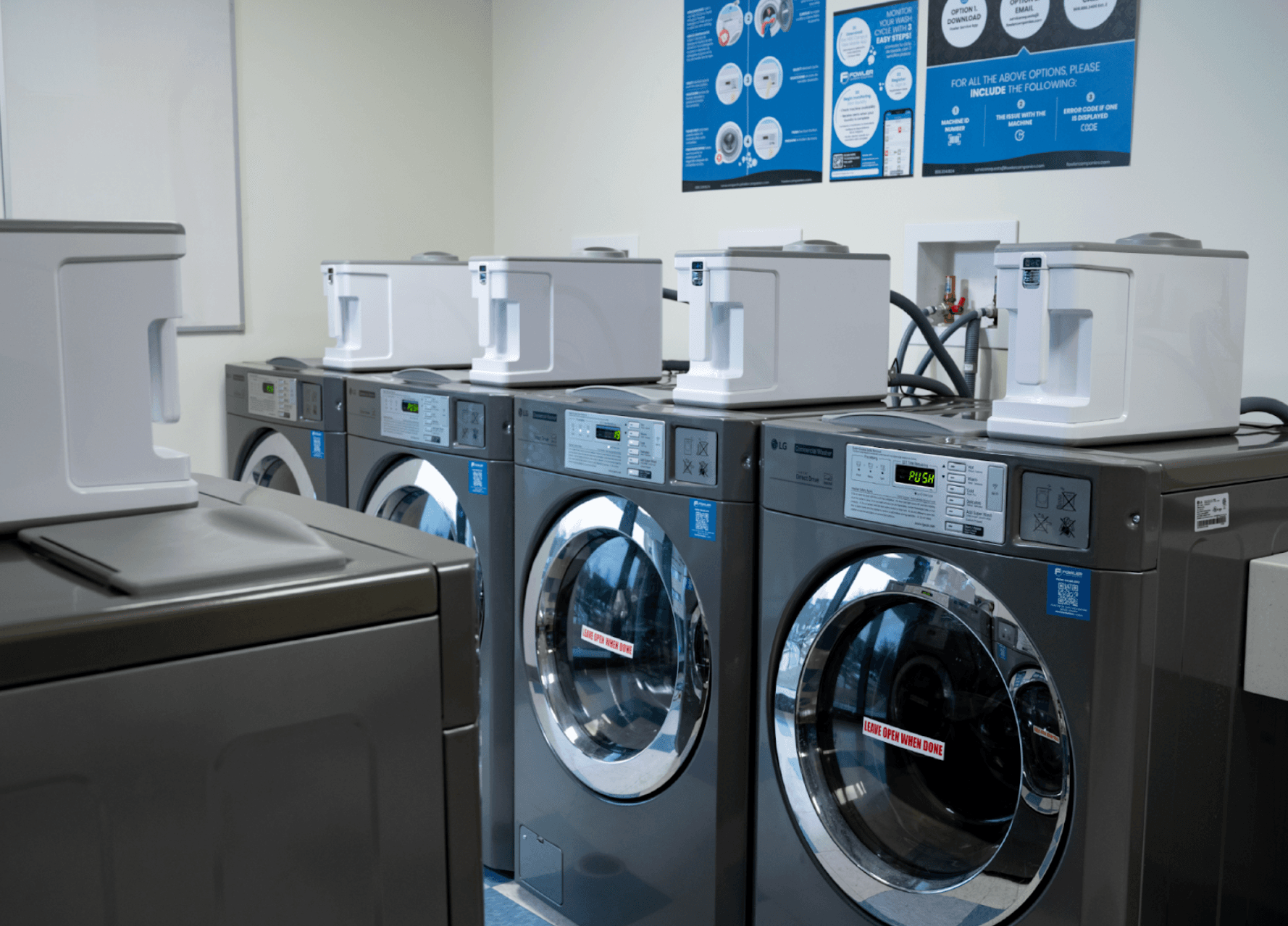
Recently, CLEANR deployed the first iteration of their campus sustainability offering at Case Western Reserve University, a program that will enable colleges and universities to limit their microplastic production across entire campuses.
According to CLEANR, the amount of plastic waste reduced for every 100 washing machines could equate to 70kg+ each year - just shy of the weight of an average adult.
In the future, this company aims to work hand-in-hand with local and state governments to make large-scale filtration more accessible and prominent.
Preorders are open now for Earth Day
If you're looking for ways to reduce your own microplastic footprint, look no further. Preorder sales have just opened, and you can get a discount today through No Plastic, No Problem:
Related

Is silicone plastic, and is it safe?
Is silicone safe, or is silicone toxic? Specifically, is silicone food safe, such as for silicone utensils, baby bottles, and more? See what you can replace silicone products with.
What are microplastics and their health effects on humans
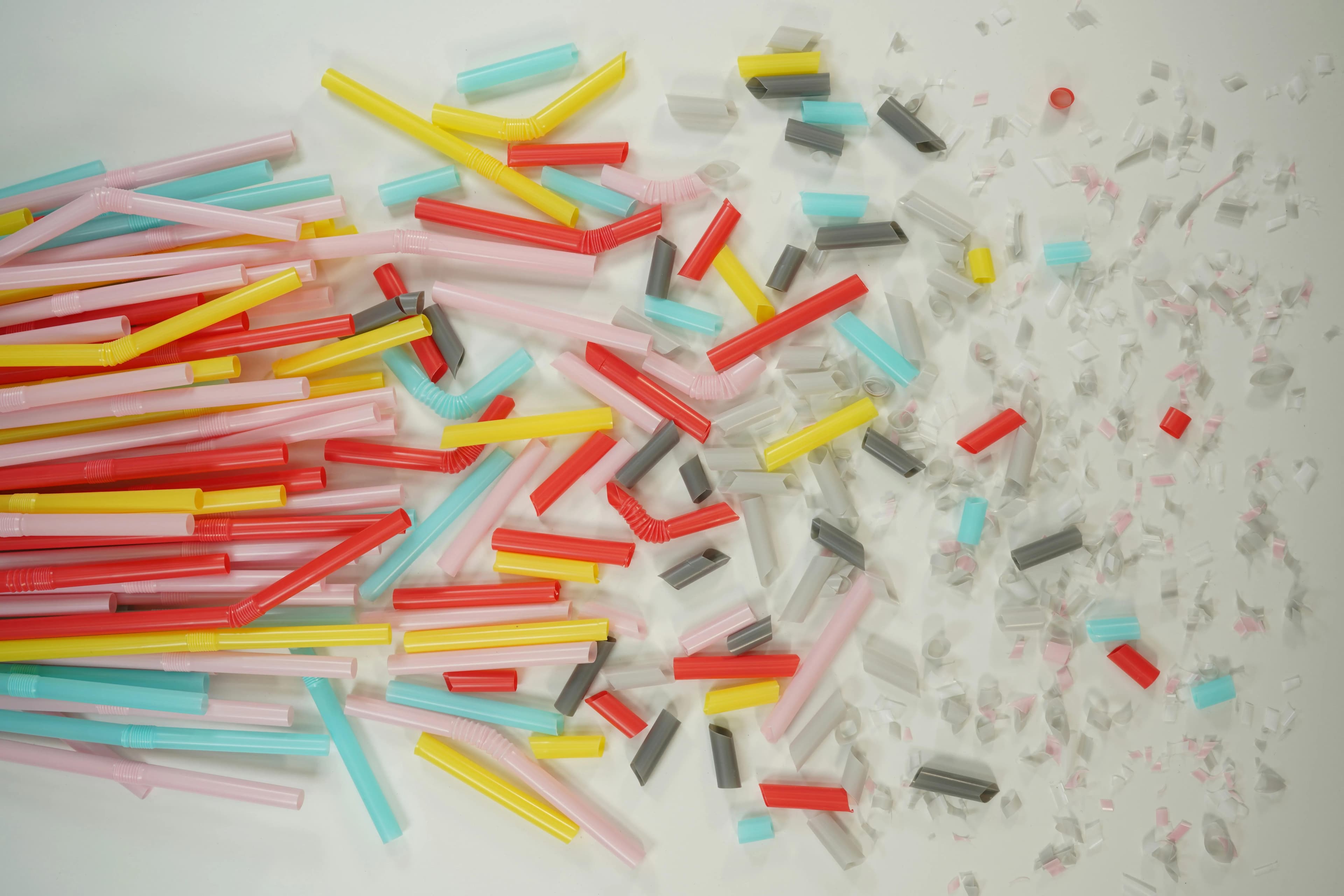
What are microplastics, and are there microplastics in food and water? Learn about the health effects of microplastics here.
Microfibers: bad for the environment, and worse for you
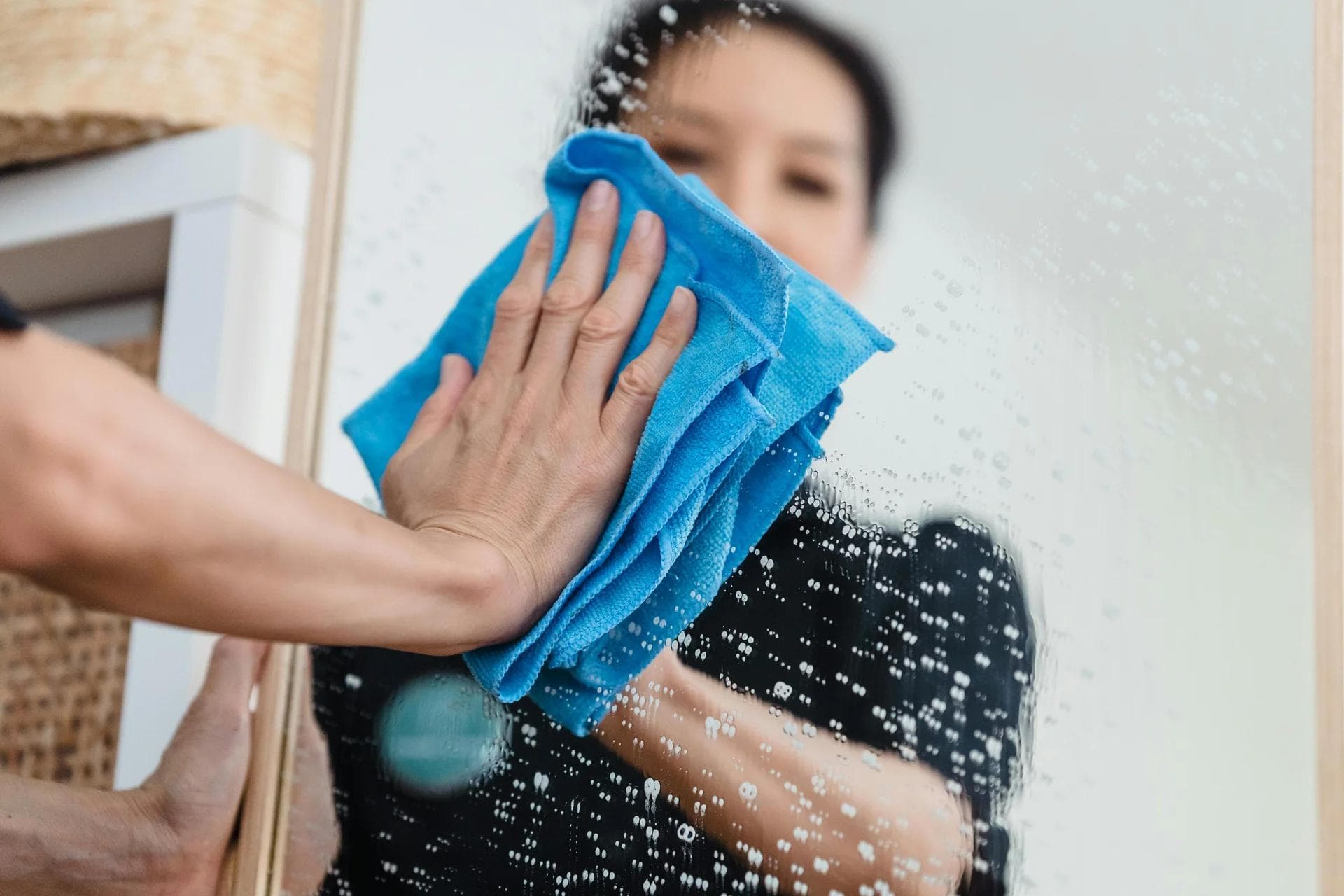
The soft and popular fabric, microfiber, is made from plastic is a top contributor to microplastic contamination and imposes negative health effects on humans.
Going microplastic-free guide
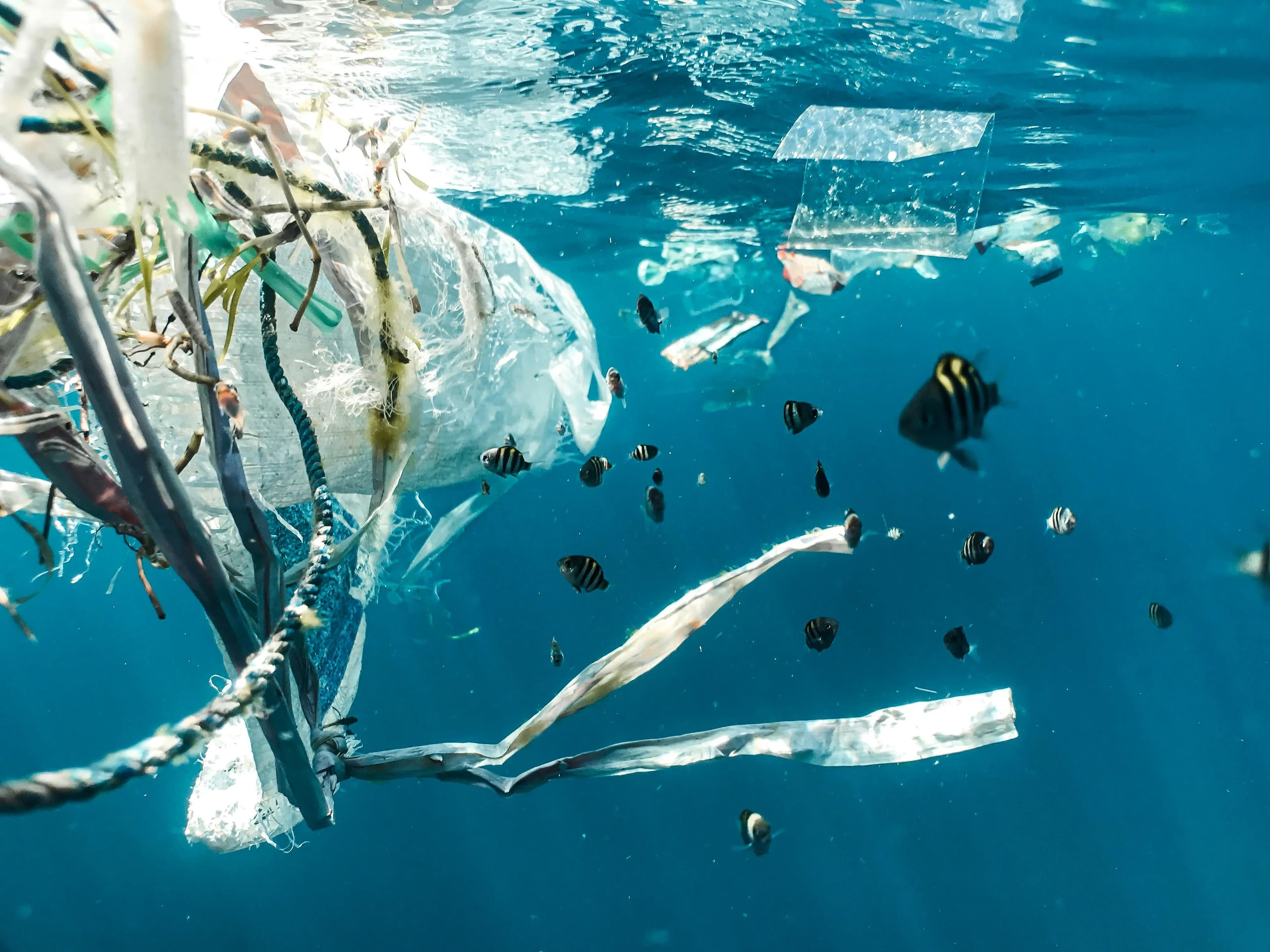
See our full guide on how to reduce microplastic consumption, including how to filter microplastics from water and air, as well as choosing non-plastic products