

Our Going Microplastic-Free Guide discusses the importance of filtering drinking water, purifying the air we breathe, fabric selection and more in order to reduce microplastic exposure.
In this article, we will discuss another component that is critical to preventing the day-to-day absorption of these particles through your skin, and recommend specific brands of underwear that are plastic free.
Note: This article is expected to be updated frequently over the next few months. Our brand outreach has been expanding and more plastic-free underwear options will be added soon.
The hidden dangers of plastics and synthetics in your underwear
In our article on why choosing natural fibers over synthetic can positively affect your health, we explained how certain everyday items are shedding microplastics onto our skin and into the air we breathe. Microplastics are continually being proven to negatively affect the hormone balance and fertility of both men and women.
However, there are additional studies coming out on the infertility crisis that is being perpetuated through specifically wearing synthetic (as opposed to natural fiber) underwear.
Ongoing research on the effects of plastic on fertility
An article A Shafir in 1993 showed that dogs who were given synthetic underwear for a period of 24 months showed significantly reduced sperm count versus those who wore fully cotton underwear and the control group that wore no underwear. The conclusion of the experiment was that, although not fully certain, there could be a relationship between the electrostatic potential of the underwear material and reduced sperm count, as well as testicular degeneration found in biopsies.
In an earlier 1992 article by the same author done with human trials, it was even suggested that synthetic underwear could possibly be used as a male contraceptive to make males undergo ‘azoospermia’, meaning there are no sperm in the ejaculate. This study again suggests electrostatic potential being a cause but also the effects of polyester on thermoregulation of the testes, negatively influencing sperm count.
In both of these studies, most of the population in both dogs and humans had generally raised their sperm counts to regular levels after a few months to a year.
With these two reasons alone, the move to natural fiber underwear is already a worthy investment, but with what we understand about the absorption of these endocrine disrupting particles in our air and water, we can extrapolate the importance of reducing plastic exposure directly to our genitals.
Note - for women, this is still an important step in the microplastic exposure reduction process. Limiting plastic exposure is particularly essential for women who are pregnant or expecting pregnancy to ensure their children develop correctly in the womb, hormone-wise.
Switching to plastic-free underwear
Underwear is actually the single highest priority clothing item to replace, due to the combination of sensitive tissue contact, warm and moist conditions, and all-day wear duration.
Fortunately, this problem of synthetic underwear has an affordable and effective solution - simply opt for natural fiber underwear. This could be underwear made from cotton, wool, linen, and more. Refer to our guide on natural fibers to learn more about what options you should consider for any products you wear or sleep against.
Important note on wool/merino wool products and ‘superwashing’
Merino wool and blends are a great way to get added performance to your athletic wear, however, we cannot confidently recommend wool brands yet because of a common practice known as ‘superwashing’.
‘Superwashing’ is a manufacturing technique where a polymer resin is applied to the wool materials to promote added durability to an otherwise typically fragile material. Even if the article of clothing is promoted as ‘100% wool/merino wool’, it is likely they undergo this process.
For this reason, until further investigation (coming soon in another article identifying the best wool brands that avoid this process), we will not be recommending wool and merino wool underwear on this list.
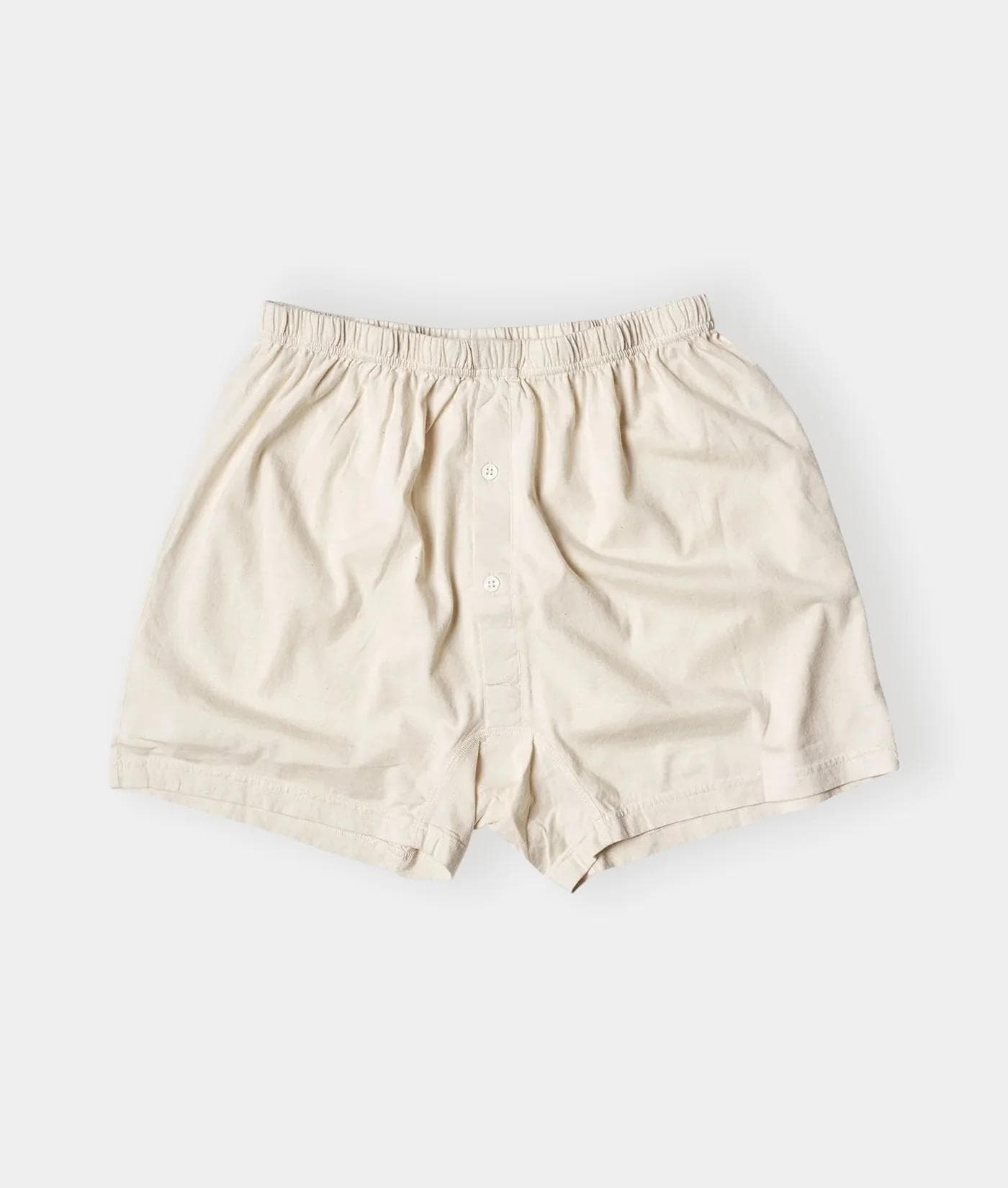
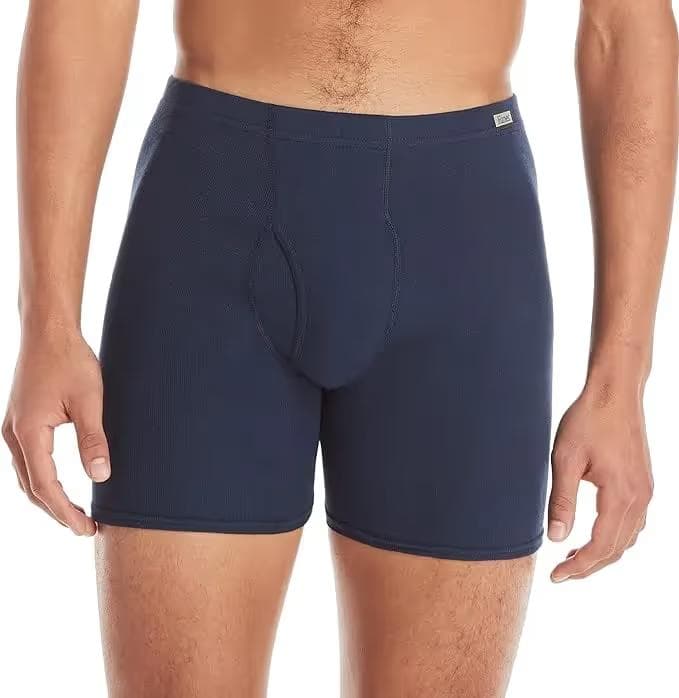
Men's underwear (all 100% plastic free)
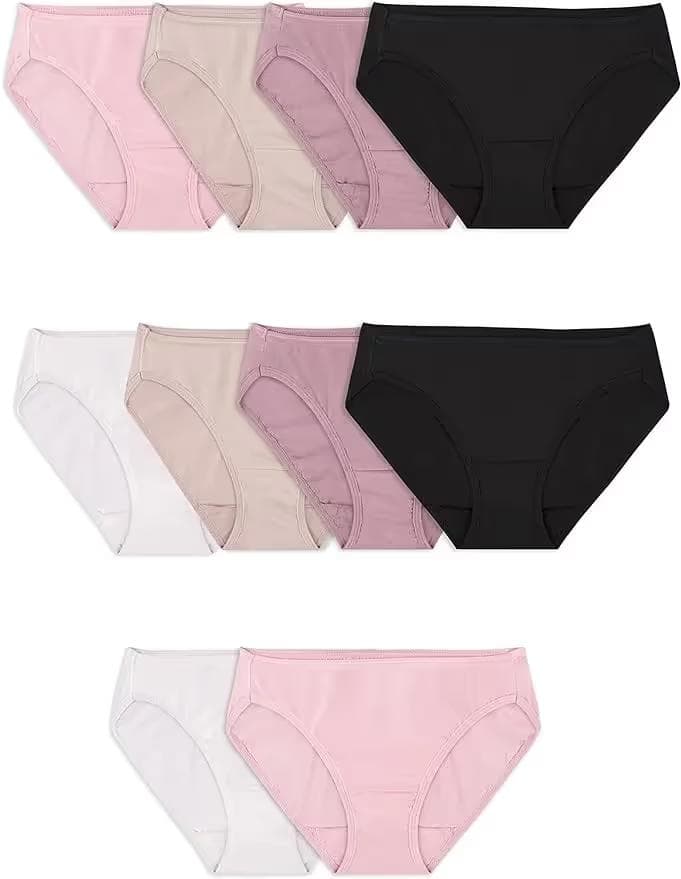
Women's underwear (all 100% plastic free)
95% plastic-free options for women
Women’s underwear is considerably more difficult to navigate when seeking 100% natural fiber products. Most ‘cotton’ underwear still contains 5% polyester or spandex, so we will be recommending both a fully natural product but also a 95% cotton product for people trying to find a compromise between safety and convenience.
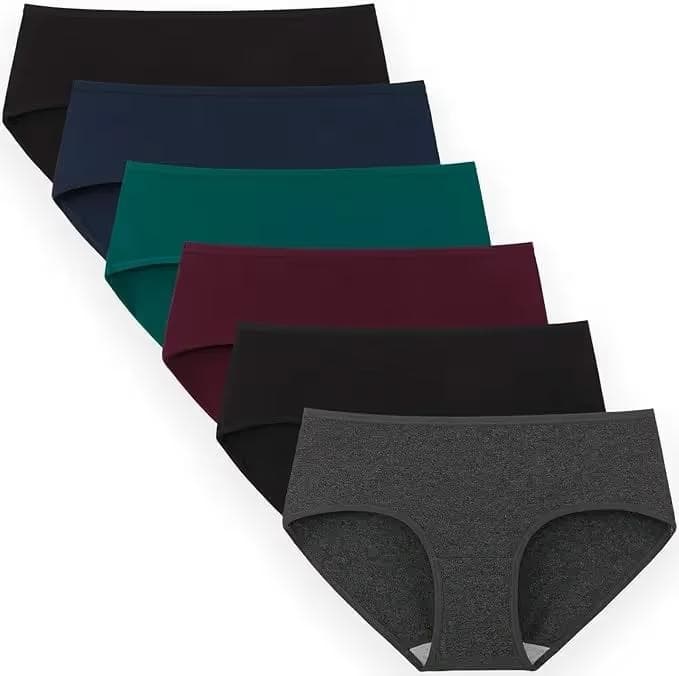
95% cotton womens underwear pick: INNERSY Womens Underwear Cotton Hipster Panties
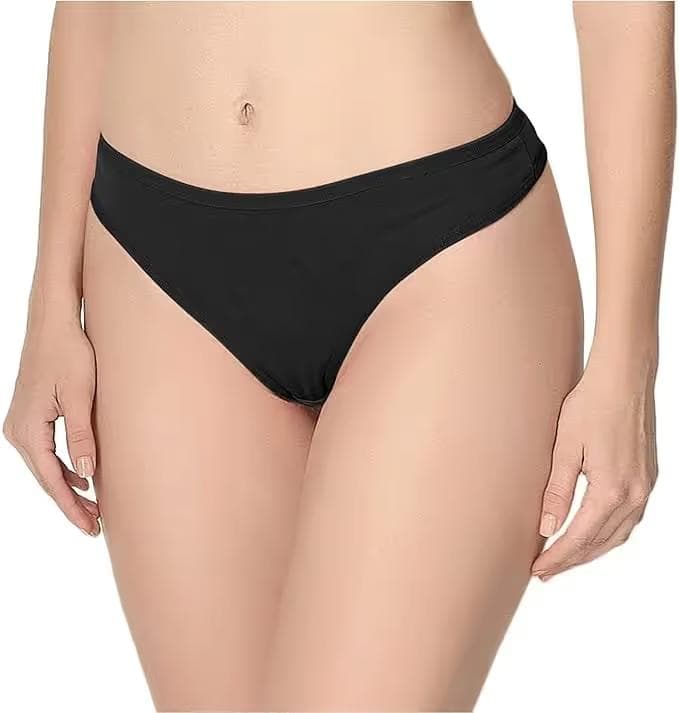
95% cotton womens underwear pick (thong): ANZERMIX Women's Breathable Cotton Thong Panties
Conclusion:
When you choose one of these options, you will be one step closer to a microplastic-free lifestyle that is better for you and your family's health.
If you want to learn more about ways to reduce your daily microplastic consumption for good, read on in our full guide.
Related
The best plastic free socks
Switching to organic, non-synthetic socks can reduce your skin’s microplastic exposure daily. Learn more about our top picks for plastic-free socks.

The best clothing brands that are 100% plastic-free
A growing list of the best clothing brands that utilize 100% natural fibers and materials in all of their products - period.

What is fleece made out of, really?
The popular fabric for warm jackets, sweaters, and other outwear is actually made from polyester, and can shed grams of microplastic particles per wash.

Best natural fabrics that reduce microplastic absorption
Discover the best natural fabrics and non toxic fabrics that protect you from harmful microplastic absorption. Learn how to choose safer fabrics for your health and fertility.