Copper
What is Copper?
Copper is a reddish-brown metallic element and natural antimicrobial properties and exceptional thermal conductivity, making it highly valued for cookware where even, responsive heat distribution matters and for water storage.
For plastic-free living, copper offers unique benefits that go beyond minimizing microplastic exposure container and water bottle material. However, most copper cookware is lined with stainless steel or tin to prevent copper from directly contacting food, as certain ingredients can react poorly with the surface. Yet, water boiling and storage remains safe.
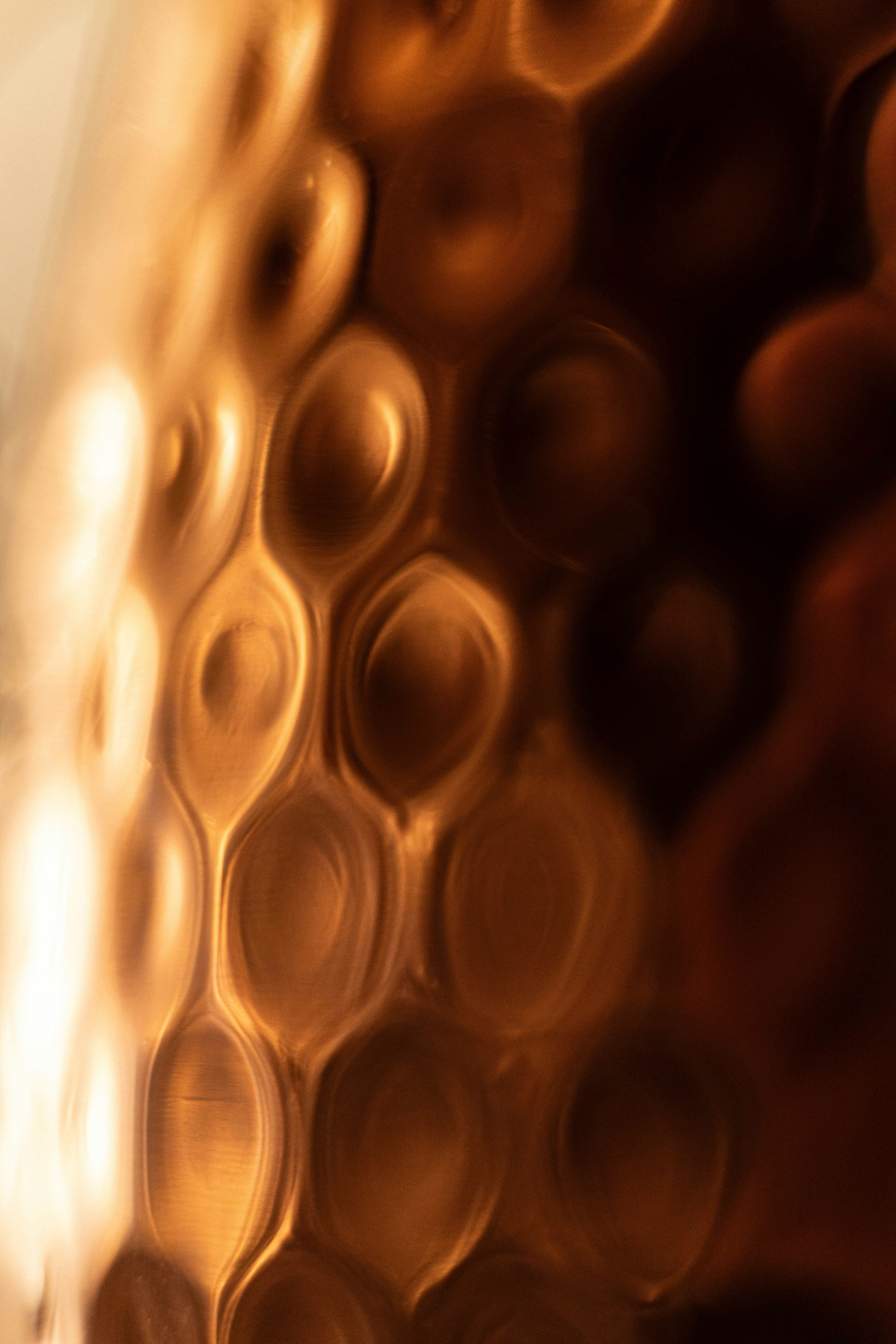
Copper surface with a 'martelage' finish. Photo: Unsplash
Common Uses for Copper
Copper is used across multiple categories:
Cookware: Saucepans, sauté pans, stockpots, frying pans (typically stainless steel or tin-lined)
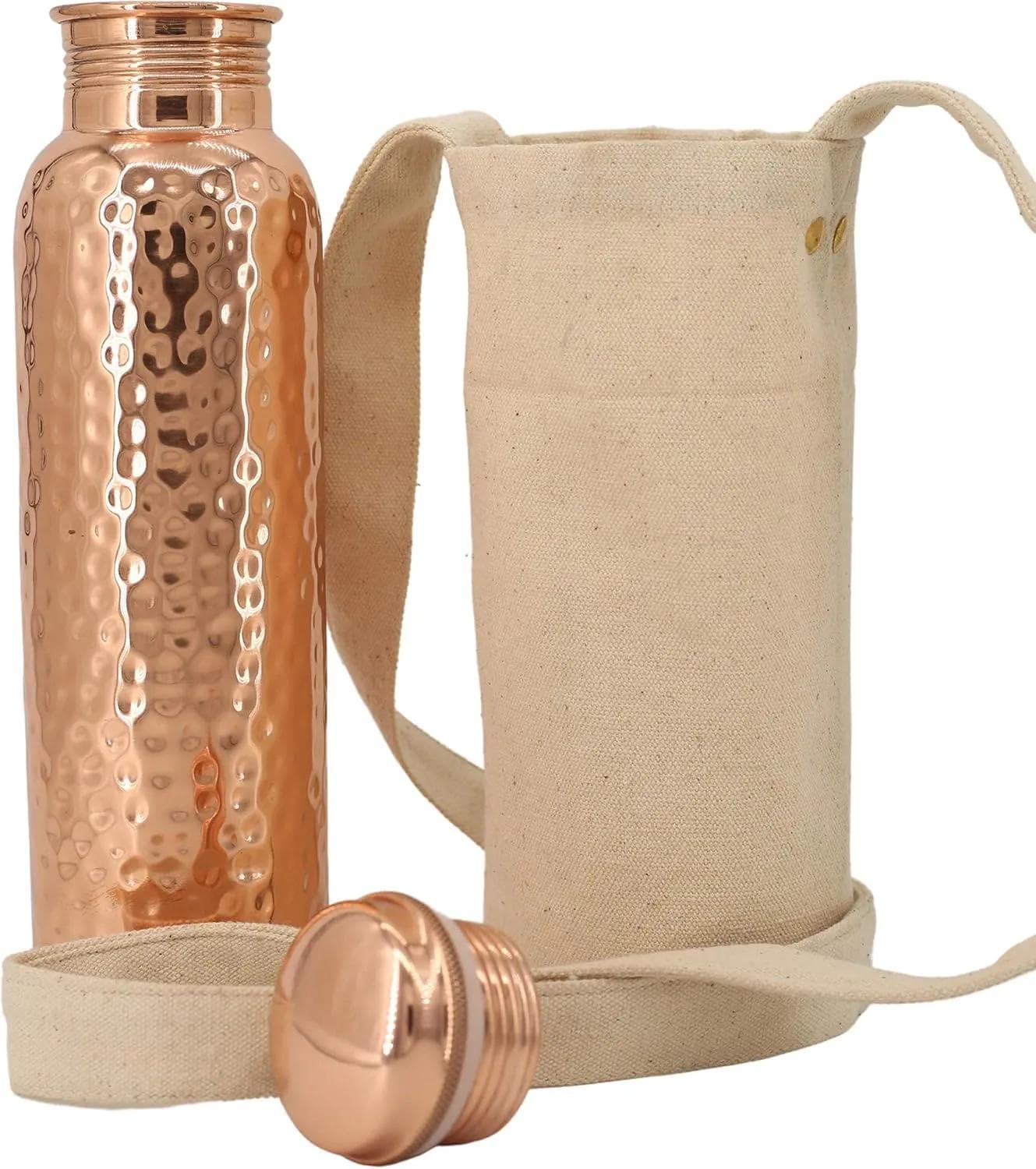
Drinkware: Water bottles, Moscow mule mugs, drinking cups, wine goblets
Kitchen Tools: Mixing bowls, measuring cups, whisks, ladles (decorative/specialty)
Water Storage: Copper vessels for antimicrobial water storage (traditional Ayurvedic practice)
Specialty: Still components (distilling), heat exchangers, decorative hardware
Is Copper Safe? Health & Safety Recommendations
Microplastic Concerns: Copper does not shed microplastics. It is a pure metallic element that remains completely stable and does not break down into particles during normal use. Copper vessels, cookware, and utensils are free from microplastic concerns.
Chemical Safety: Most copper cookware is lined with stainless steel or tin to prevent copper from directly contacting food, since leaches copper ions into acidic foods (tomatoes, citrus, vinegar), alkaline substances. Unlined copper should only be used for boiling water and select cooking recipes.
Certifications to Look For: Food-grade copper designation. FDA compliance for food contact (typically requires lining). Tin-lining or stainless steel lining certification for cookware. Lead-free certification (some vintage copper cookware used lead-based solder - modern copper should be lead-free).
Recommendations: For cookware, choose copper lined with stainless steel (more durable lining than tin), while avoiding using unlined copper for cooking acidic or alkaline foods. If using copper water bottles, limit storage time to 4-8 hours and use only for water (not acidic beverages like lemon water).
Copper surface with a 'martelage' finish. Photo: Unsplash
Frequently Asked Questions About Copper
Is copper plastic-free?
Yes, copper is completely plastic-free. Copper is inorganic and does not contain or release any plastics.
Does copper shed microplastics?
No, copper does not shed microplastics. Copper vessels, cookware, and utensils are free from microplastic concerns, making them safe alternatives to plastic for food and beverage contact when used properly.
Does copper have antimicrobial properties?
Yes, copper has proven antimicrobial properties. Historically, copper had been used for water storage, door handles in hospitals, and food preparation surfaces. However, antimicrobial properties don't eliminate the need for cleaning, and copper's reactivity with foods means antimicrobial benefits must be balanced against copper leaching concerns for food contact applications.