Glass
What is Glass?
Glass is an inorganic, non-crystalline material primarily composed of silica (silicon dioxide) that has been melted and rapidly cooled to form a solid amorphous structure. Glass is chemically inert, does not leach chemicals into food or beverages, and is completely non-porous, making it one of the safest materials for food and drink storage. The material is infinitely recyclable without loss of quality, does not shed microplastics, and maintains its integrity over extended periods of time.
For plastic-free living, glass represents the gold standard for food and beverage containers. Unlike plastic that degrades and leaches chemicals over time, glass remains completely stable and safe indefinitely. Glass containers don't absorb odors, flavors, or stains, with no lingering smell. While glass is heavier and more fragile than plastic, its safety, durability, and environmental benefits make it the superior choice for anyone serious about eliminating plastic exposure from food storage, water bottles, and kitchenware.
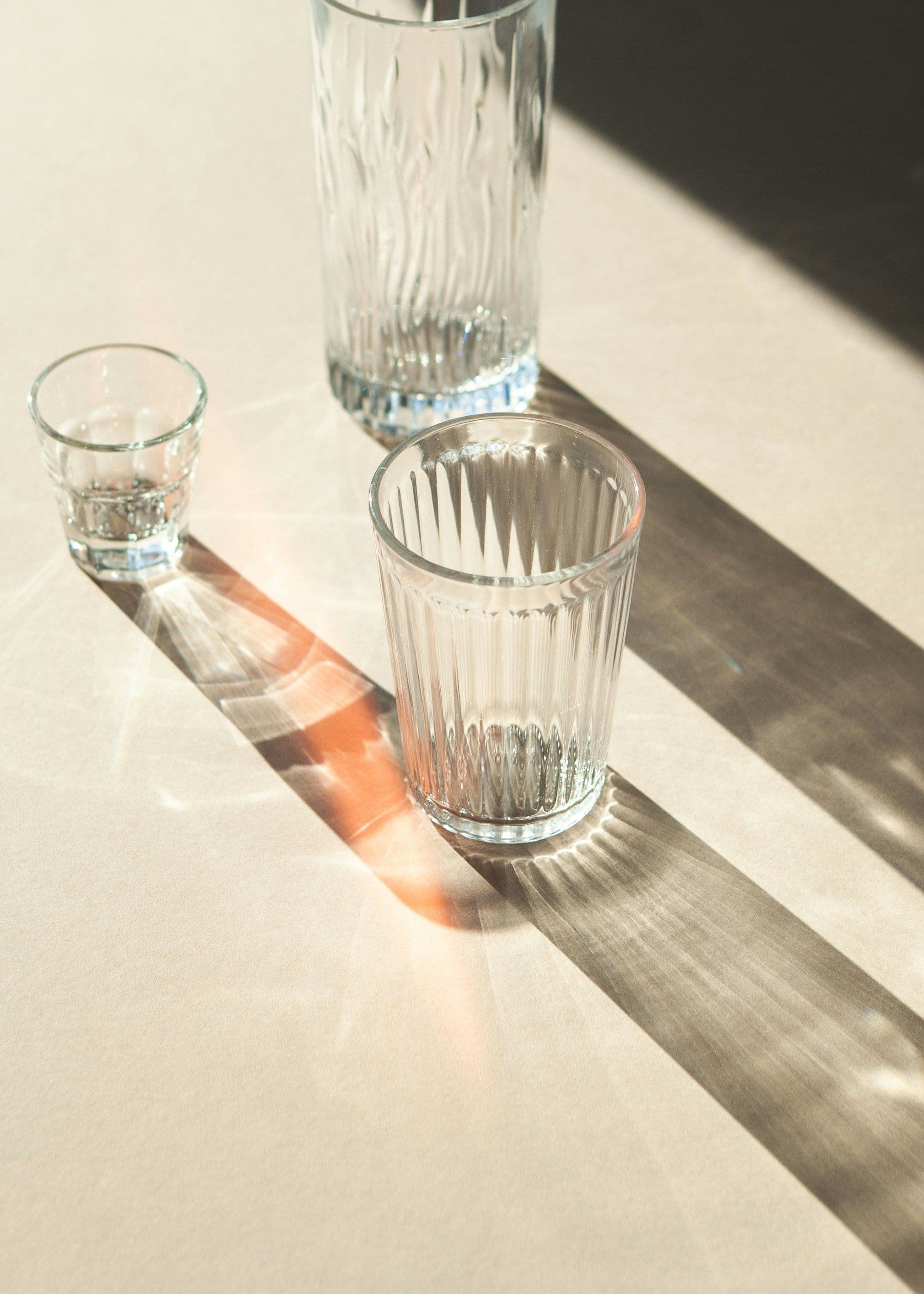
Glass drinkware. Photo: Unsplash
Common Uses for Glass
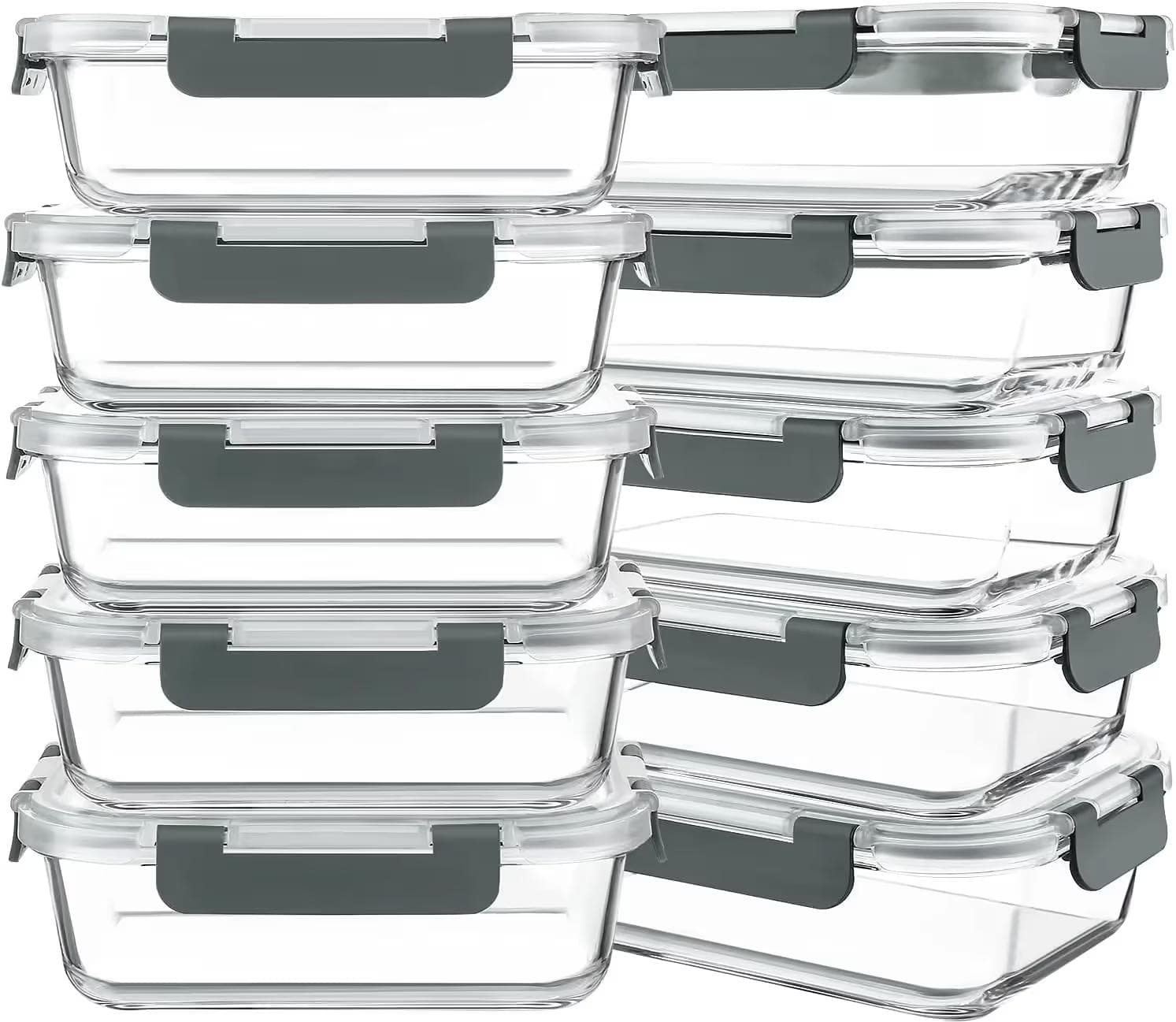
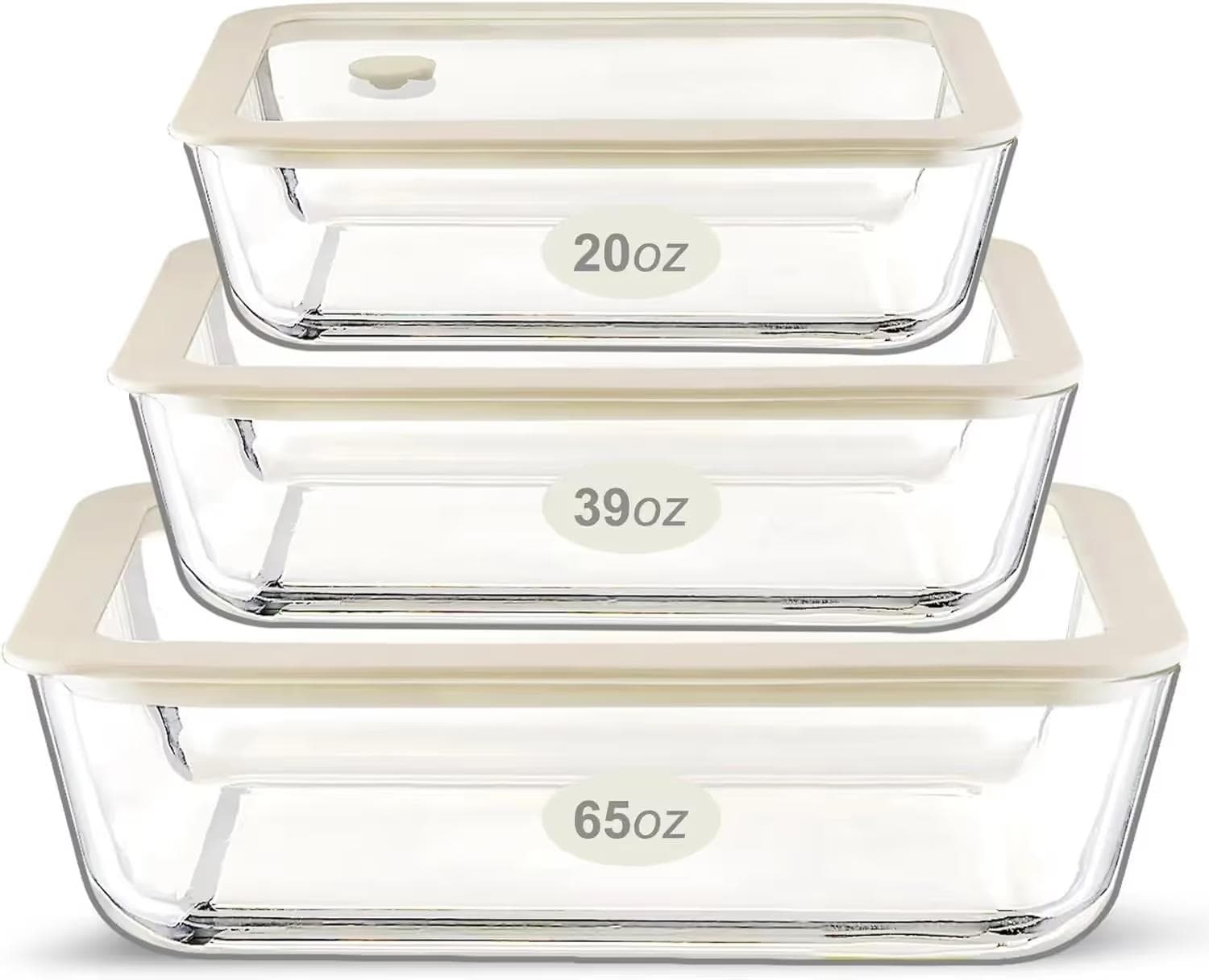
Food Storage: Storage containers, jars, meal prep containers, leftover containers
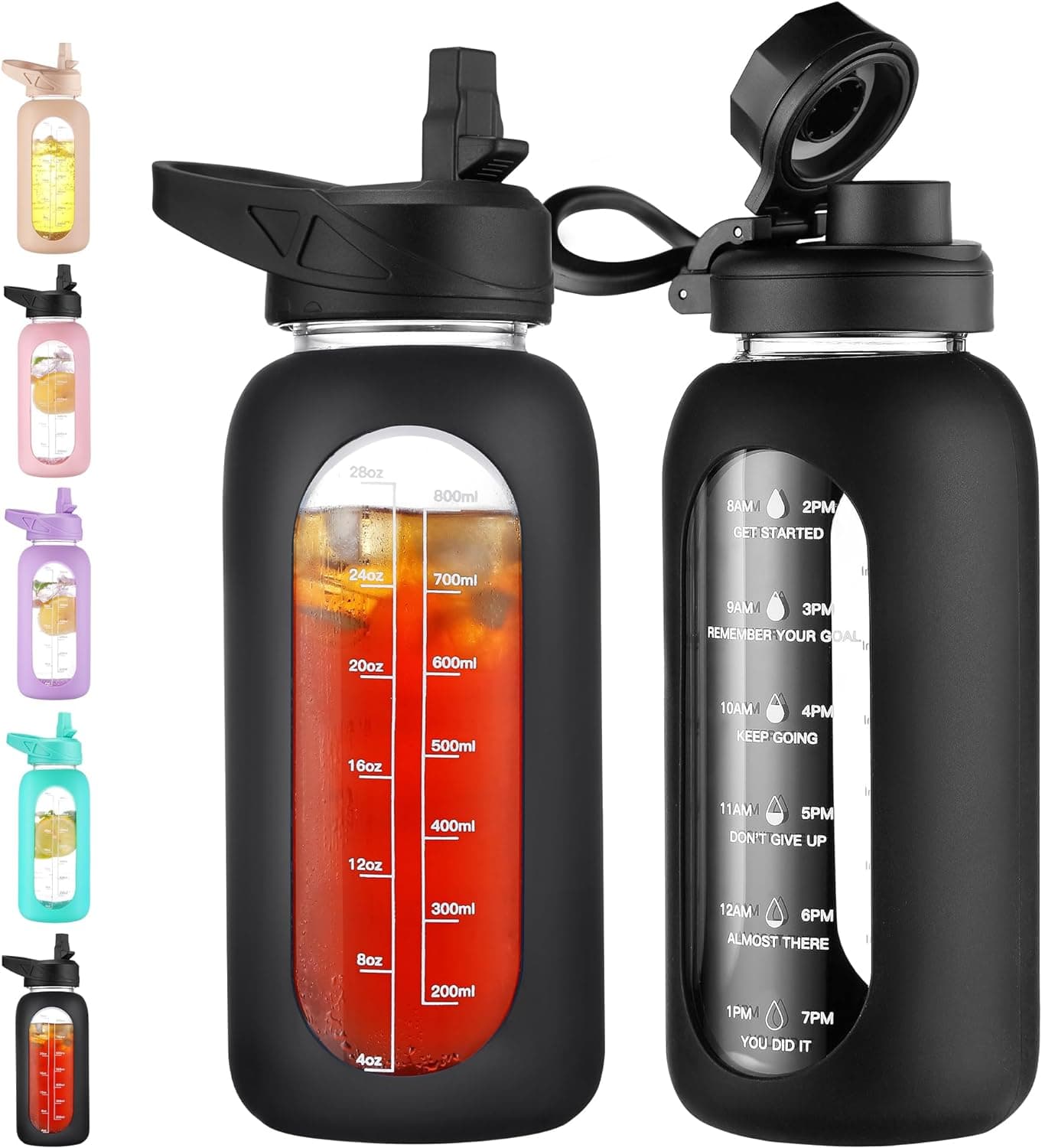
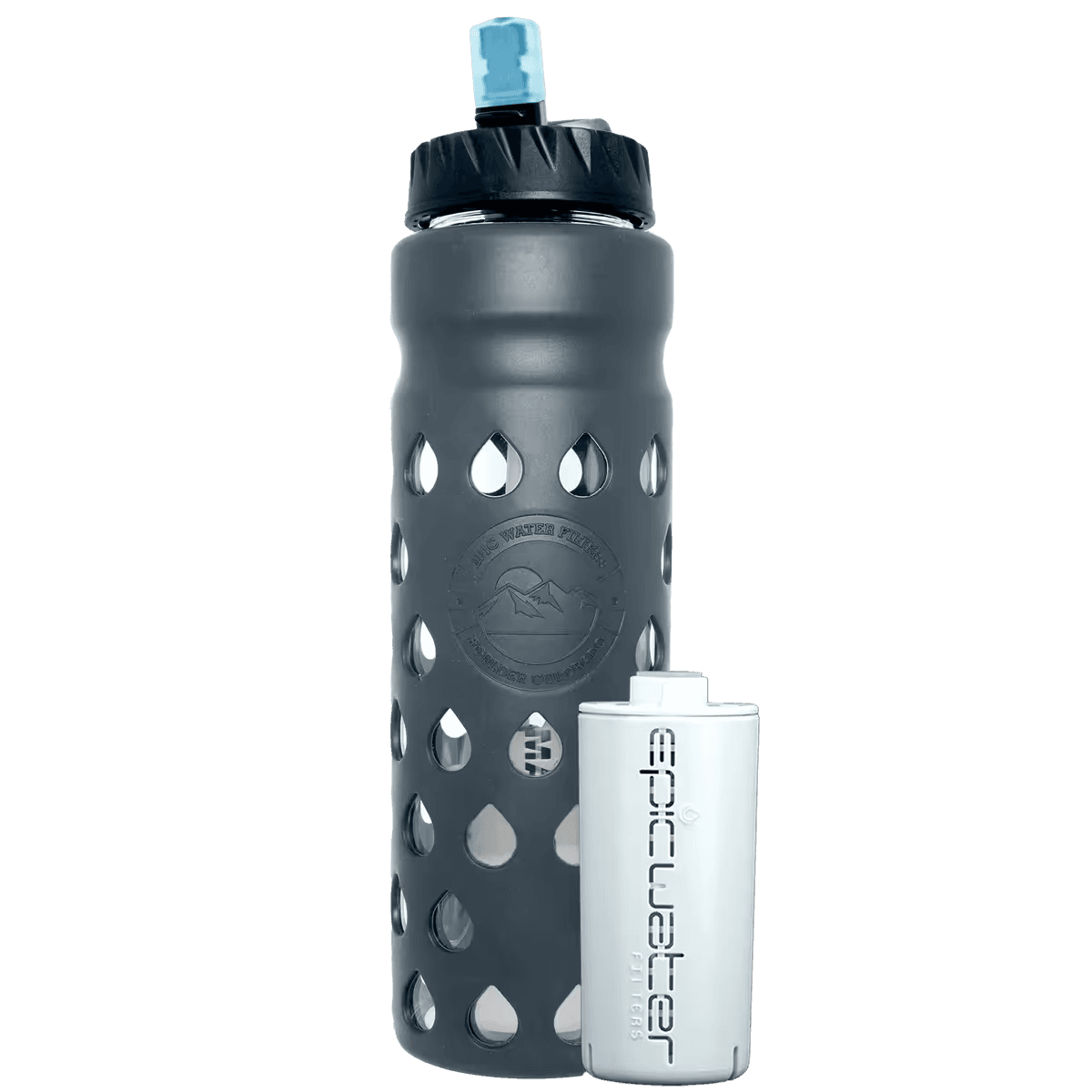
Beverage Containers: Water bottles, drinking glasses, juice bottles, milk bottles
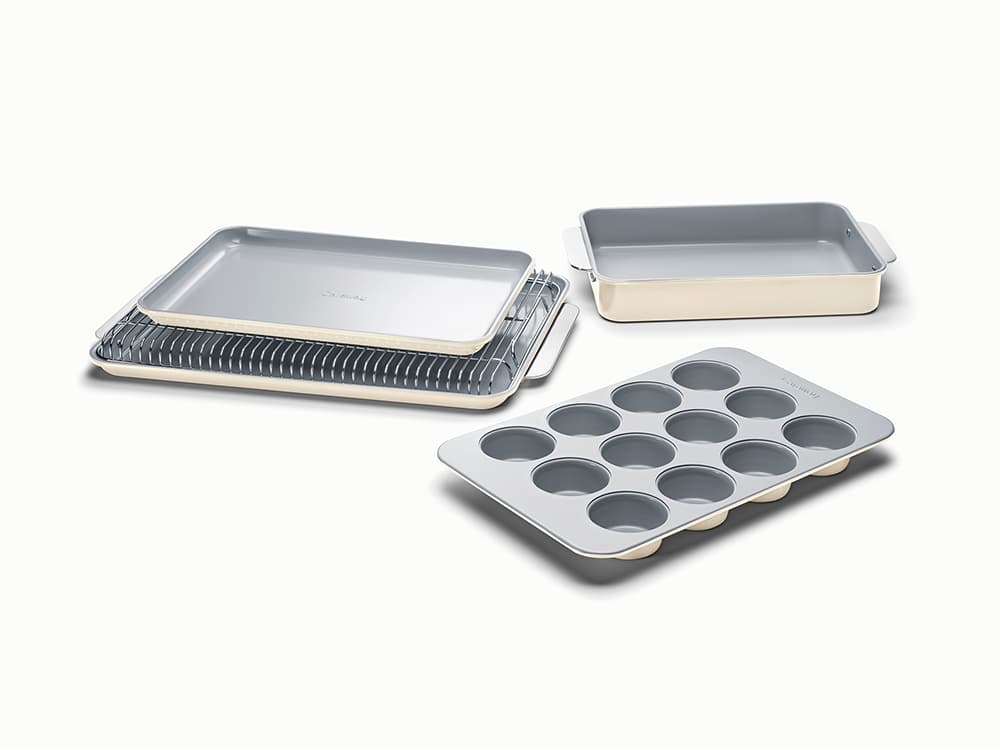
Cookware: Measuring cups, mixing bowls, baking dishes, casserole dishes
Bakeware: Pie plates, cake pans, loaf pans, baking dishes
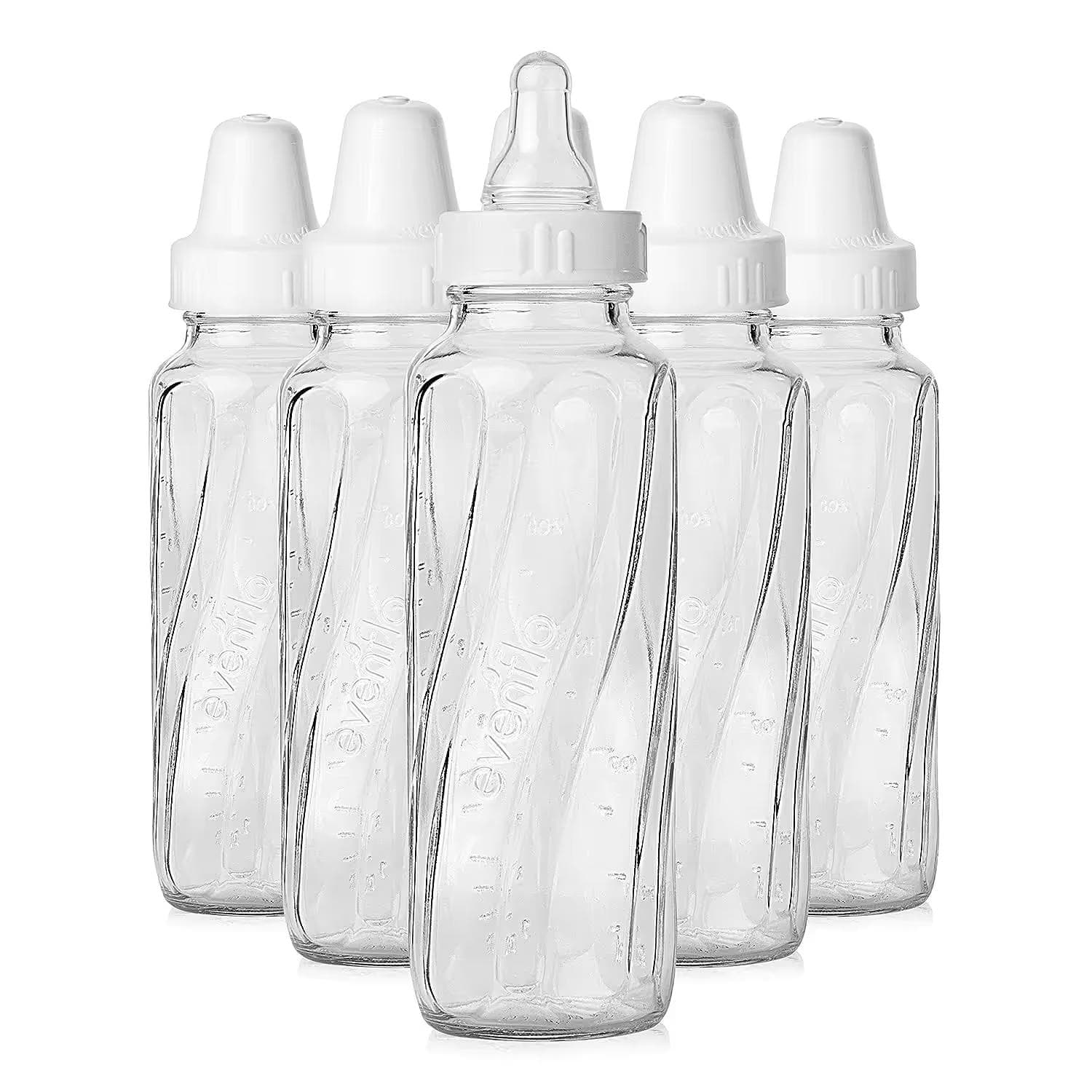
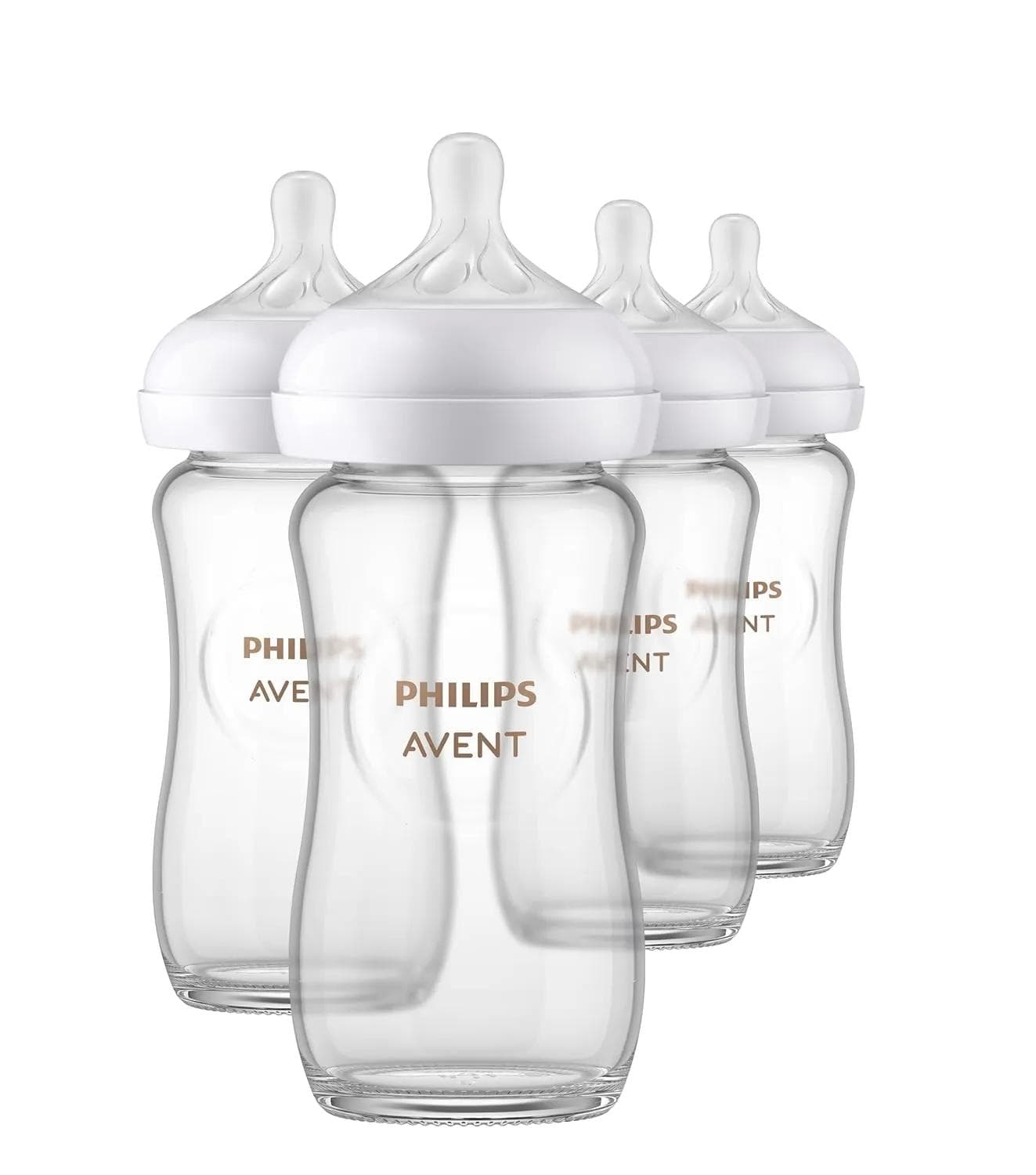
Baby Products: Baby bottles, food storage containers, milk storage
Tableware: Drinking glasses, serving bowls, plates (tempered glass)
Is Glass Safe? Health & Safety Recommendations
Microplastic Concerns: Glass does not shed microplastics. It is an inorganic material that remains completely stable and does not break down into particles under normal use.
Chemical Safety: Glass is one of the safest materials for food contact. It is chemically inert, meaning it doesn't react with foods, beverages, or cleaning products. Glass can withstand high temperatures without degrading or releasing chemicals, making it safe for hot foods, dishwashers, and some oven use (check manufacturer specifications).
Glass drinkware. Photo: Unsplash



Frequently Asked Questions About Glass
Is glass plastic-free?
Yes, glass is completely plastic-free. It's made from sand (silica), soda ash, and limestone melted together - no petroleum-based materials whatsoever. Glass is an inorganic material that's 100% natural and infinitely recyclable without any plastic content.
Does glass shed microplastics?
No, glass does not shed microplastics. Glass is a stable, inorganic material that doesn't break down into plastic particles during normal use.
Is glass safe for hot liquids and food?
Yes, glass is safe for hot liquids and food. Glass doesn't leach chemicals at any temperature and won't react with acidic or alkaline foods.
Can glass water bottles break easily?
Glass water bottles can break if dropped on hard surfaces, but many modern designs include protective silicone exterior that absorb impact and prevent breakage without contaminating the interior liquids with microplastics. Borosilicate and tempered glass are more durable than standard glass.