Polypropylene (PP)
What is Polypropylene (PP)?
Polypropylene (PP) is a thermoplastic polymer made from petroleum through the polymerization of propylene gas, creating a versatile, more heat-resistant plastic with a relatively higher chemical resistance, but still sheds microplastics.
For those seeking plastic-free living, the biggest challenge polypropylene presents is it's pervasiveness in food and liquid packaging. It is difficult to avoid 100% of polypropylene in grocery stores, but opting for plastic-free packaged foods and liquids can greatly reduce this exposure.
Common Uses for Polypropylene (PP)
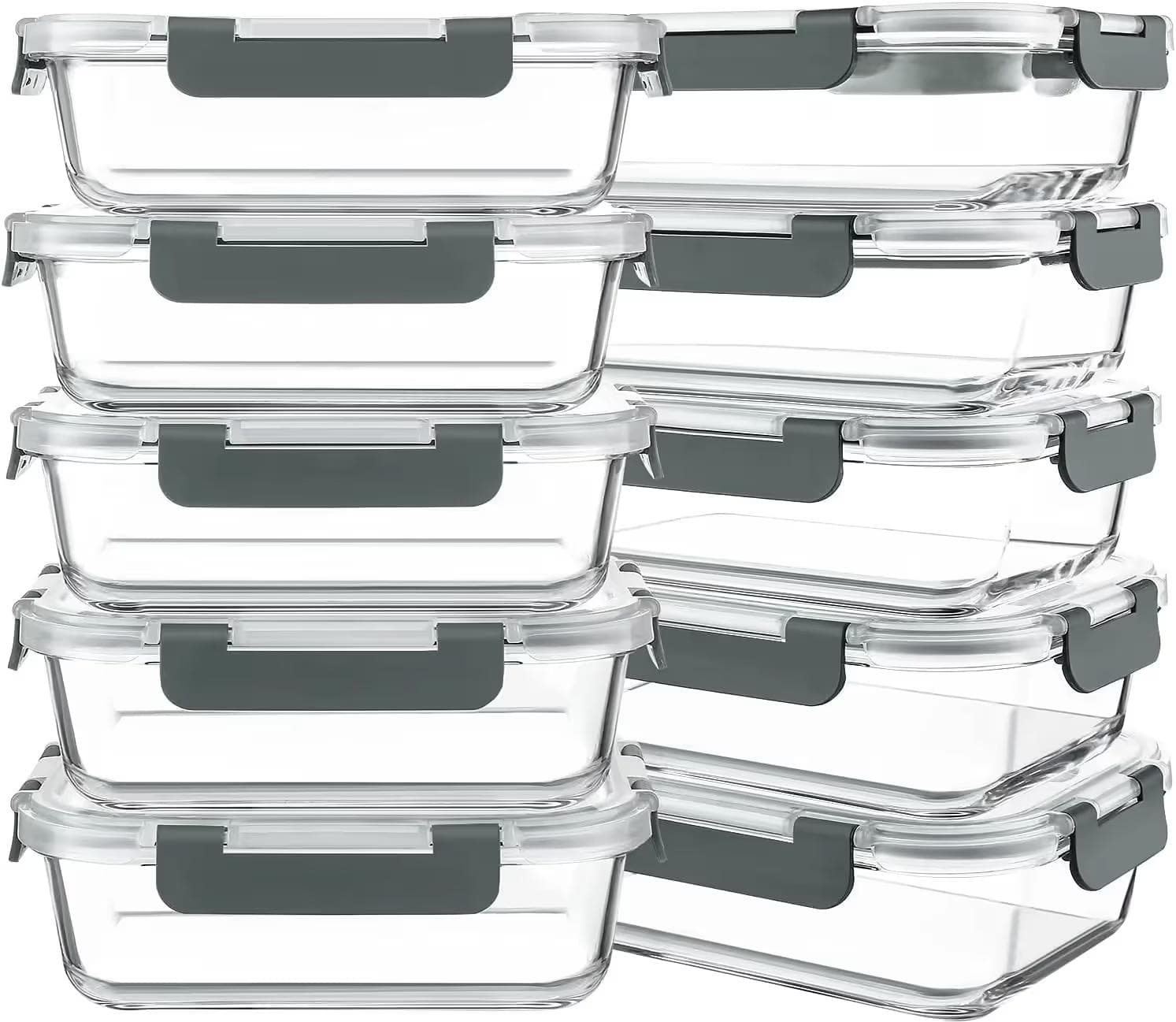
Food Containers: Yogurt cups, margarine tubs, sour cream containers, deli containers, takeout containers, meal prep containers
Beverage Related: Bottle caps, closures, straws, hot beverage cups, sports drink caps
Disposable Food Service: Plates, bowls, cups, cutlery, takeout containers
Medical: Syringes, pill bottles, specimen containers, medical vials
Packaging: Plastic bags, food wrappers, packaging films, labels
Home Goods: Storage bins, organizers, laundry baskets, hangers
Textiles: Carpets, rugs, rope, thermal underwear (polypropylene fabric)
Is Polypropylene (PP) Safe? Health & Safety Recommendations
Microplastic Concerns: Polypropylene sheds substantial amounts of microplastics, particularly from beverage and food storage containers and wraps. The microplastic shedding risk is exacerbated from microwaving PP containers and exposing the material to hot food and drink.
Chemical Safety: Other than microplastic shedding, the material can leach chemicals including propylene oligomers (plastic breakdown products), additives (antioxidants, stabilizers, colorants), and processing aids into food and liquids. Some PP products contain additives that may have health concerns, particularly colorants in brightly colored PP items.

Frequently Asked Questions About Polypropylene (PP)
Is polypropylene plastic?
Yes, polypropylene (PP) is plastic. It's a petroleum-based synthetic polymer made from propylene gas derived from crude oil or natural gas. PP is the second most widely produced plastic globally, identified by recycling symbol #5.
Does polypropylene shed microplastics?
Yes, polypropylene sheds substantial amounts of microplastics. PP food containers, straws, and cups all release microplastics into food and beverages, and only increases when heated or microwaved.