Stainless Steel
What is Stainless Steel?
Stainless steel is an iron-based alloy containing a minimum of 10.5% chromium, which forms a protective chromium oxide layer on the surface that prevents corrosion and rust. It revolutionized cookware, food storage, and industrial applications by providing a durable, non-reactive metal that maintains its appearance and performance indefinitely. Stainless steel does not leach harmful chemicals, does not react with acidic or alkaline foods, does not shed microplastics, and can be recycled infinitely without quality loss.
For plastic-free living, stainless steel is one of the most versatile and reliable materials available. From water bottles to food containers to cookware to kitchen utensils, stainless steel provides safety and durability across virtually every application where plastic has become dominant.

Stainless steel cookware. Photo: Unsplash
Common Uses for Stainless Steel
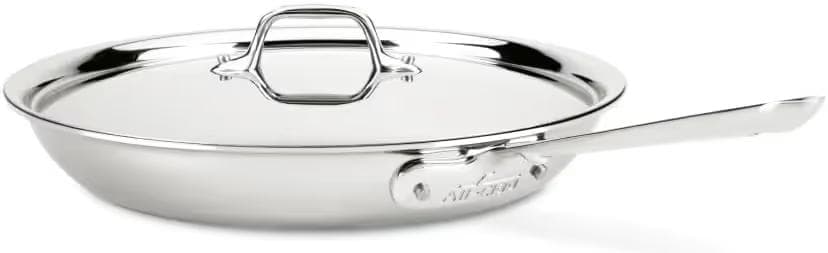
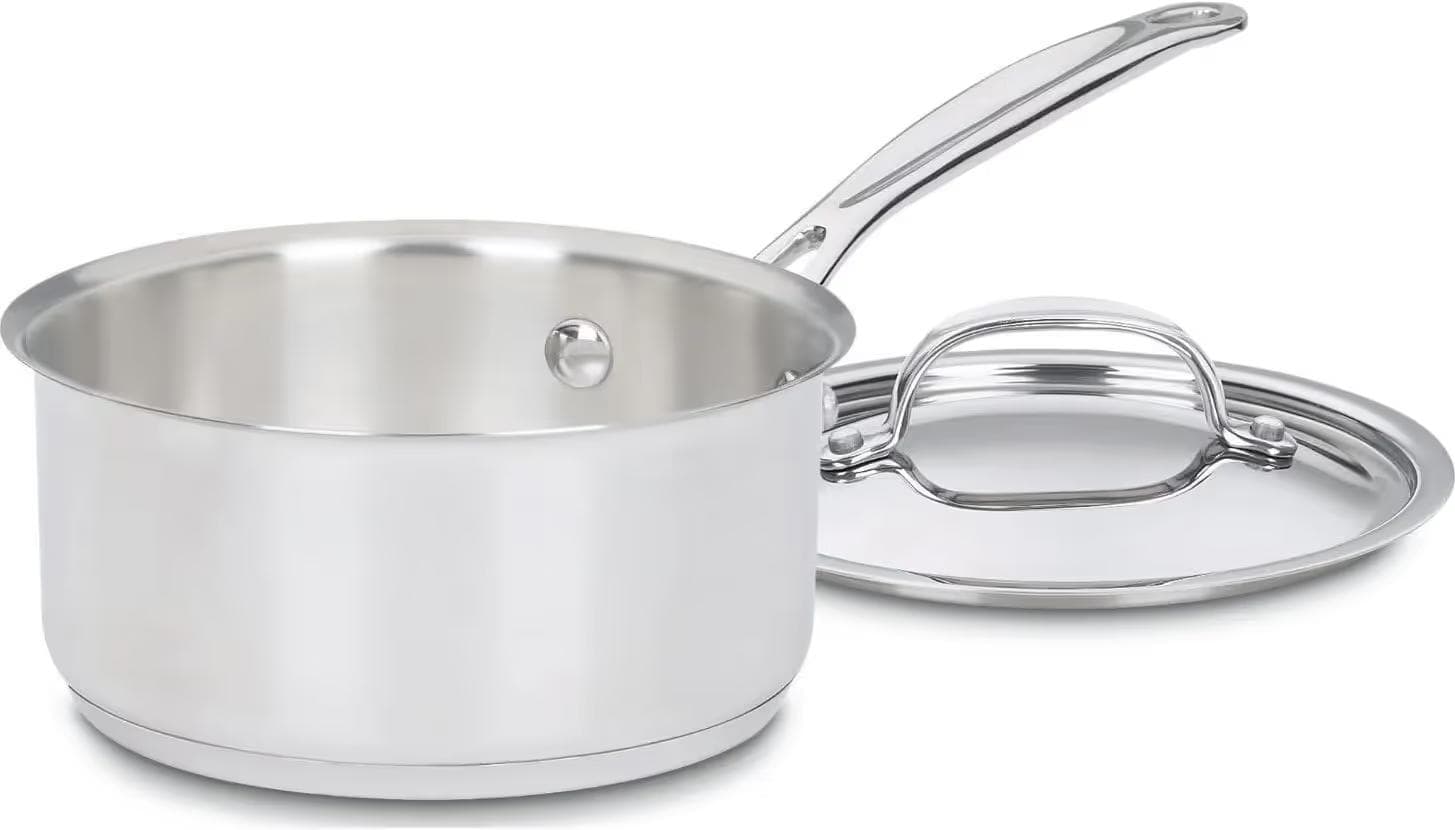
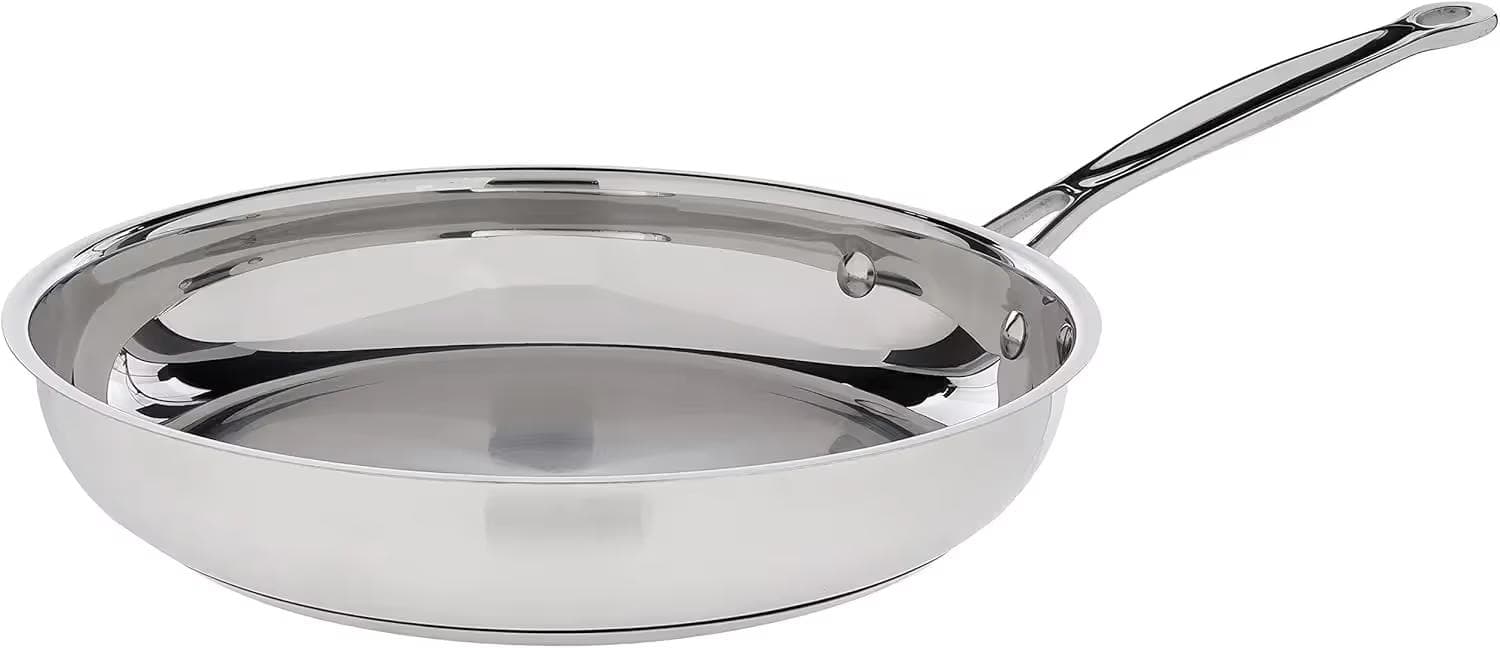
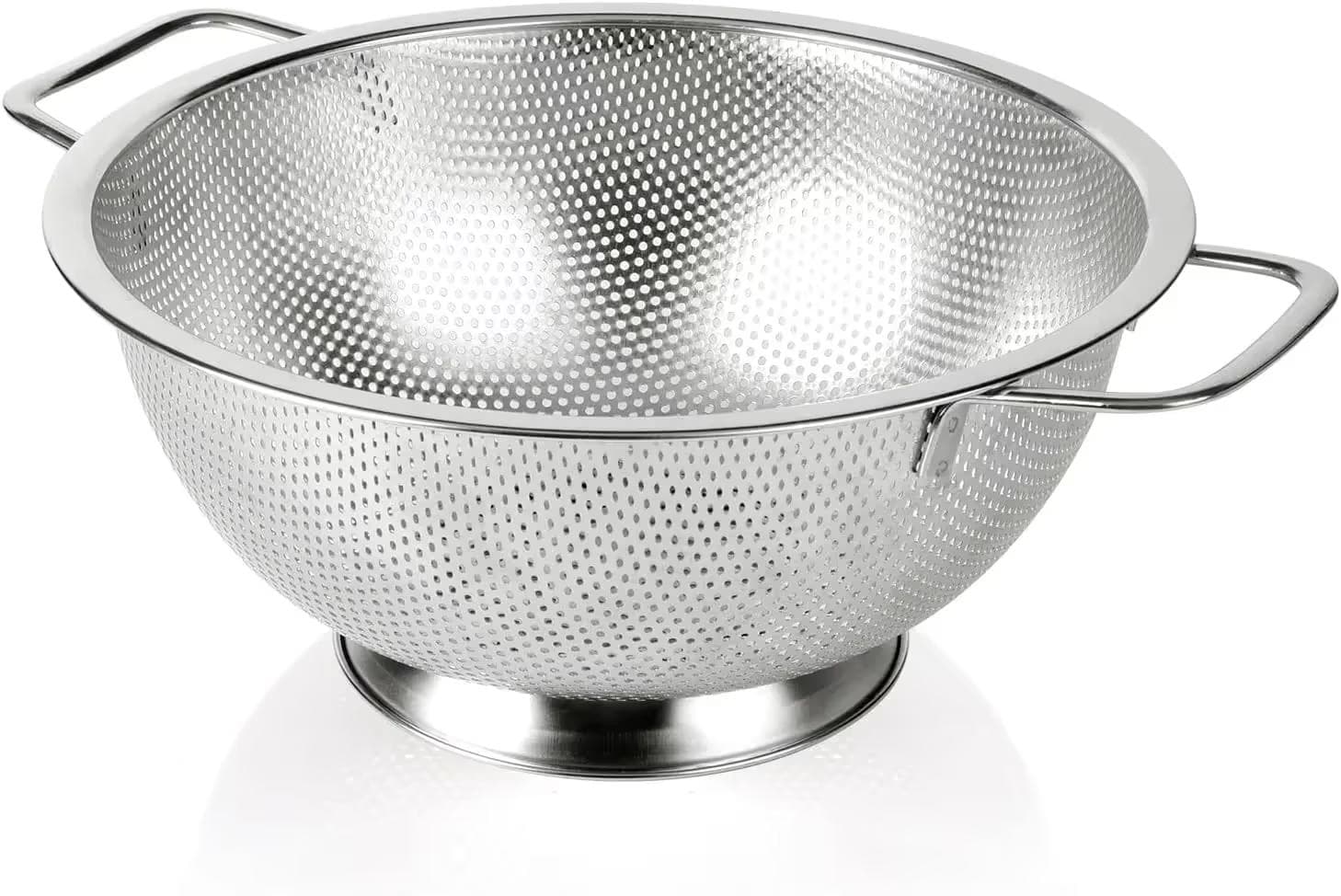
Cookware: Pots, pans, saucepans, stockpots, pressure cookers, steamer inserts
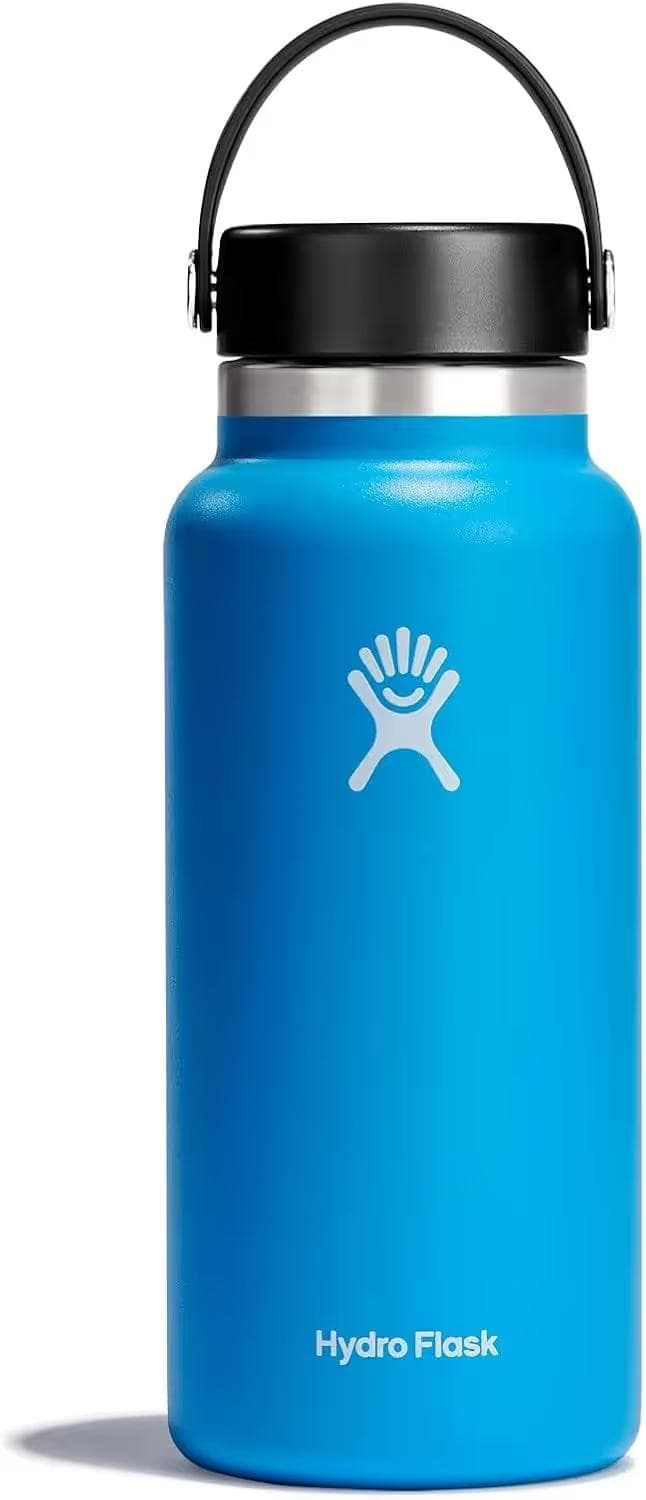
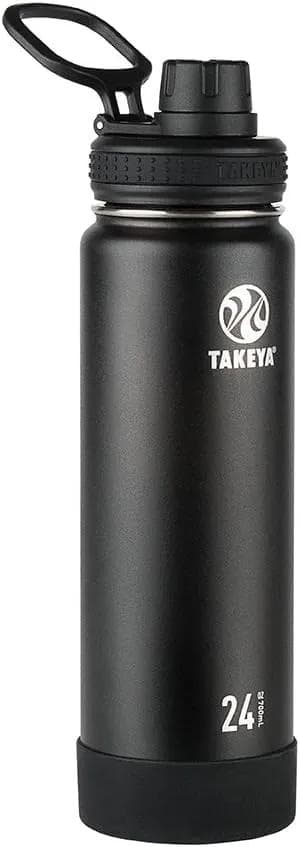
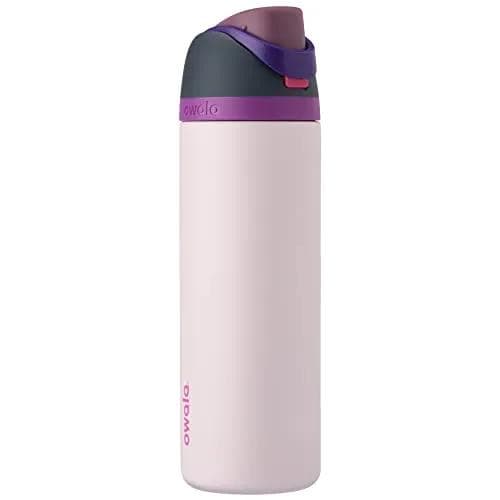
Drinkware: Water bottles, travel mugs, tumblers, wine glasses, beer mugs
Food Storage: Lunch containers, bento boxes, leftover containers, meal prep containers
Utensils: Forks, spoons, knives, chopsticks, serving utensils
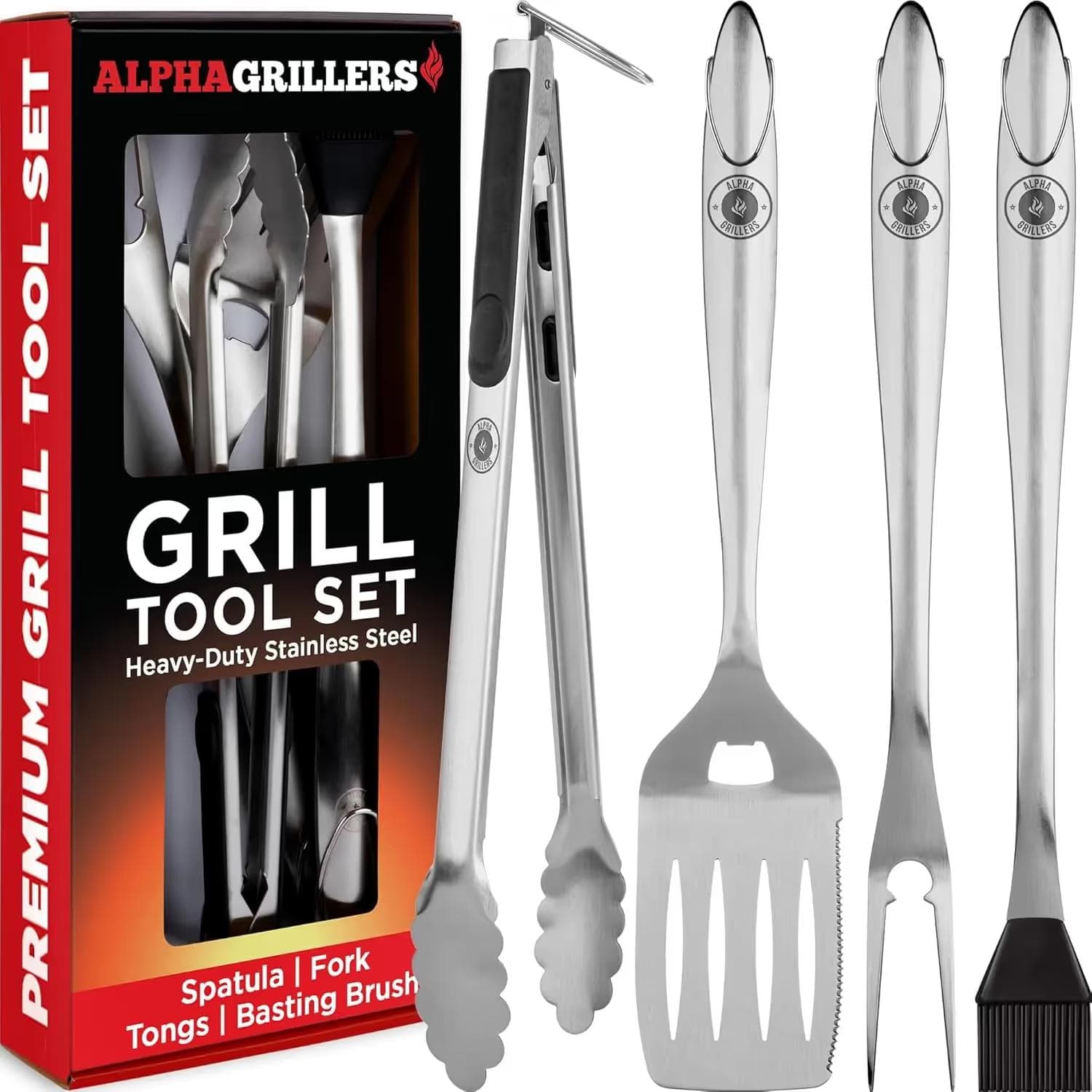
Kitchen Tools: Whisks, ladles, spatulas, tongs, measuring cups, mixing bowls
Travel Gear: Reusable straws, portable cutlery sets, camping dishes
Is Stainless Steel Safe? Health & Safety Recommendations
Microplastic Concerns: Stainless steel does not shed microplastics. It is a metal alloy that remains completely stable and does not break down into particles during normal use. This makes stainless steel water bottles, food containers, and cookware infinitely safer than plastic alternatives that constantly shed microplastic particles into their contents.
Chemical Safety: Food-grade stainless steel (304, 316, 18/8, 18/10) is extremely safe and non-reactive. It does not leach chemicals like BPA, phthalates, or heavy metals found in plastics and some other materials. Stainless steel does not react with acidic foods (tomatoes, citrus, vinegar) or alkaline substances, making it suitable for all food types. The chromium oxide layer that gives stainless steel its corrosion resistance is stable and non-toxic.
Certifications to Look For: Food-grade certification (18/8, 18/10, 304, or 316 stainless steel for food contact). NSF certification for water bottles and food containers. FDA compliance for food contact surfaces. Lead-free certification (though high-quality stainless steel inherently contains no lead). BPA-free certification for products with silicone or plastic components (like lid gaskets).
Stainless steel cookware. Photo: Unsplash



Frequently Asked Questions About Stainless Steel
Is stainless steel plastic-free?
Yes, stainless steel is completely plastic-free. It's a metal alloy primarily composed of iron, chromium, and nickel (in food-grade varieties) with no petroleum-based materials whatsoever.
Does stainless steel shed microplastics?
No, stainless steel does not shed microplastics. As a metal alloy, it remains completely stable and does not break down into particles during normal use. This makes stainless steel water bottles, food containers, and cookware among the safest options for eliminating microplastic exposure from daily life.