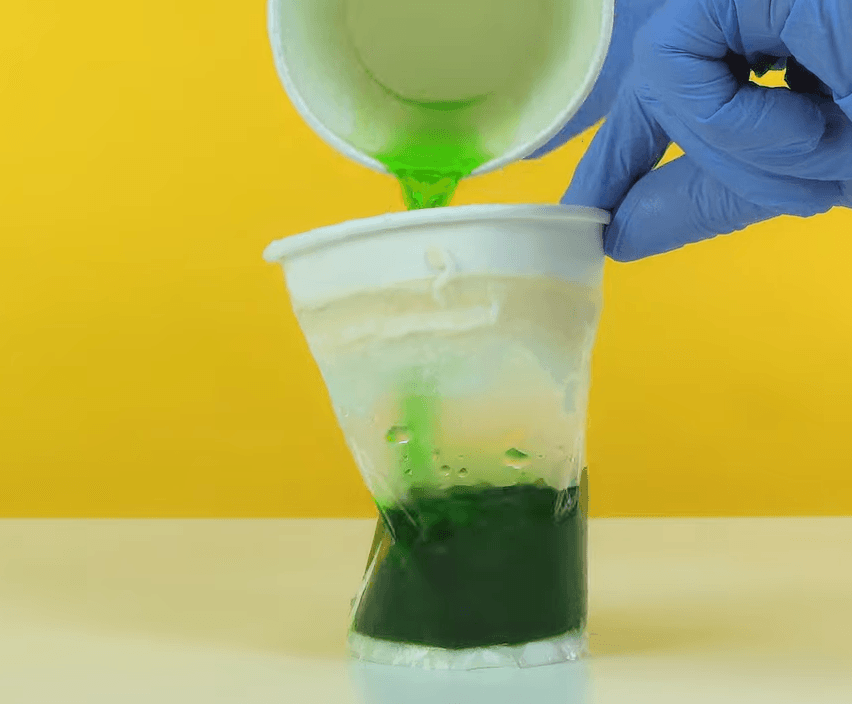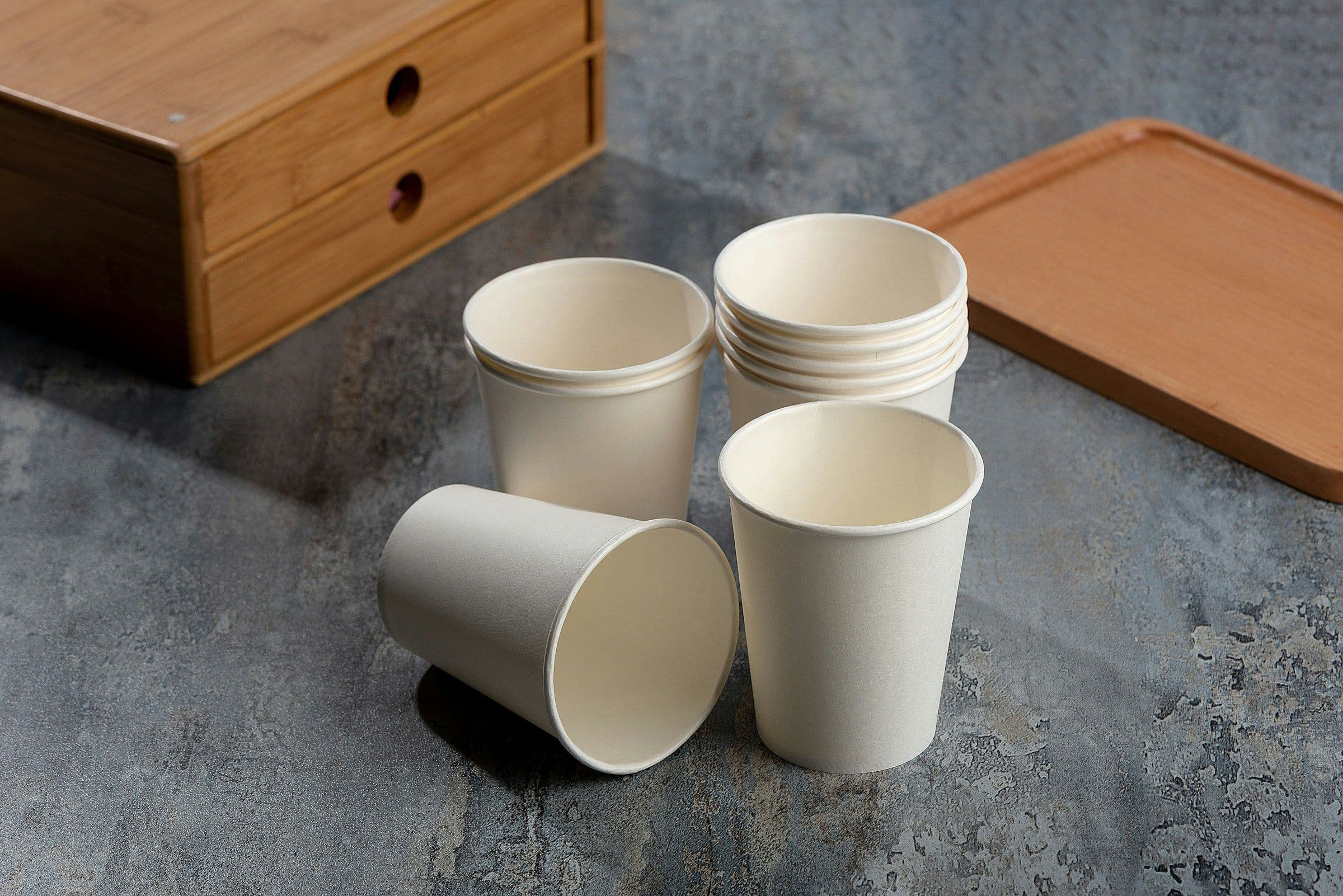
- Most single-use disposable paper cups and plates are actually lined with plastic, making them just as toxic as plastic alternatives.
- Plastic can leach microplastics into liquids and foods they contain, which have negative effects on human health.
- Paper coffee cups are especially prone to microplastic leaching when contacted with hot liquids.
Most disposable paper cups and plates contain sneaky plastic liners.
Whenever you are drinking from a paper cup at the office or at home, you are likely still consuming microplastics.
Most paper cups have plastic polyethylene (PE) liners to retain heat and repel liquids. Unfortunately, PE is one of the most abundant contributors to microplastics at a global scale, according to a study from the University of Barcelona in 2019.
Some paper plates also have plastic coatings containing PFAS, or ‘forever chemicals’.
Similar to paper cups, most paper plates that are leak- and stick-resistant have a glossy, plastic finish that can leach harmful chemicals into your food.
Paper plates, with plastic coatings, are especially dangerous when topped with hot foods or when used in a microwave.
You can learn more about what common kitchenware items you shouldn’t microwave due to the increased risk of microplastic contamination.
Paper coffee cups leach microplastics at accelerated rates in contact with hot liquids.
Indifferent to paper cups used for water or cold liquids, paper coffee cups are lined with the same exact plastic.
Microplastic shedding from plastic containers is increased when exposed to piping hot liquids. A research study in 2021 found millions of plastic particles and other harmful chemicals in hot liquids contained by plastic bottles and linings, even more than what is observed in room temperature liquids.
How to avoid microplastics with plastic-free solutions.
Limiting your usage of single-use plastic-lined paper cups and plates are a great way to reduce your daily microplastic intake, but if you want microplastic-free storage of your favorite drinks on the go, consider travel mugs and bottles made from safe materials.
Check out our article on plastic-free water bottles made from glass, stainless steel, copper, and titanium, which can also be used for coffee, tea, and more.
Related
Best alternatives to toxic non-stick teflon pans
Is Teflon safe? What are safe non stick pan alternatives, and what are the best non stick pans? Find out ways to replace toxic cookware in the kitchen.
Top glass tupperware sets to reduce microplastics in 2026
What makes non plastic tupperware great? What are safe, non toxic microwavable tupperware materials? Remove a major source of microplastic exposure with the best glass tupperware.
Best alternatives to plastic utensils, cutting boards, and strainers
Learn more about the best non toxic kitchen utensils, plastic free cutting boards, and more to reduce your microplastic exposure in the kitchen.
Plastic linings in canned foods and drinks leach microplastics
Aluminum and tin cans are not fully plastic-free, and their linings can leach microplastic particles.