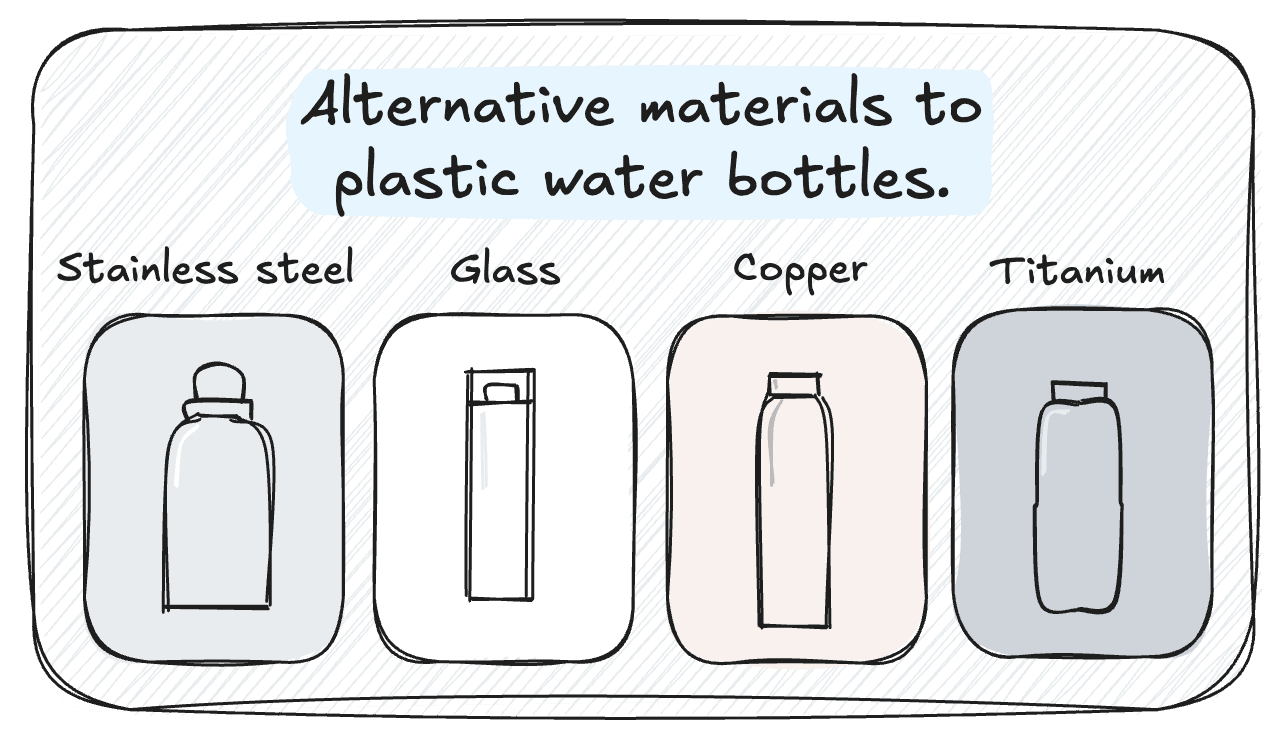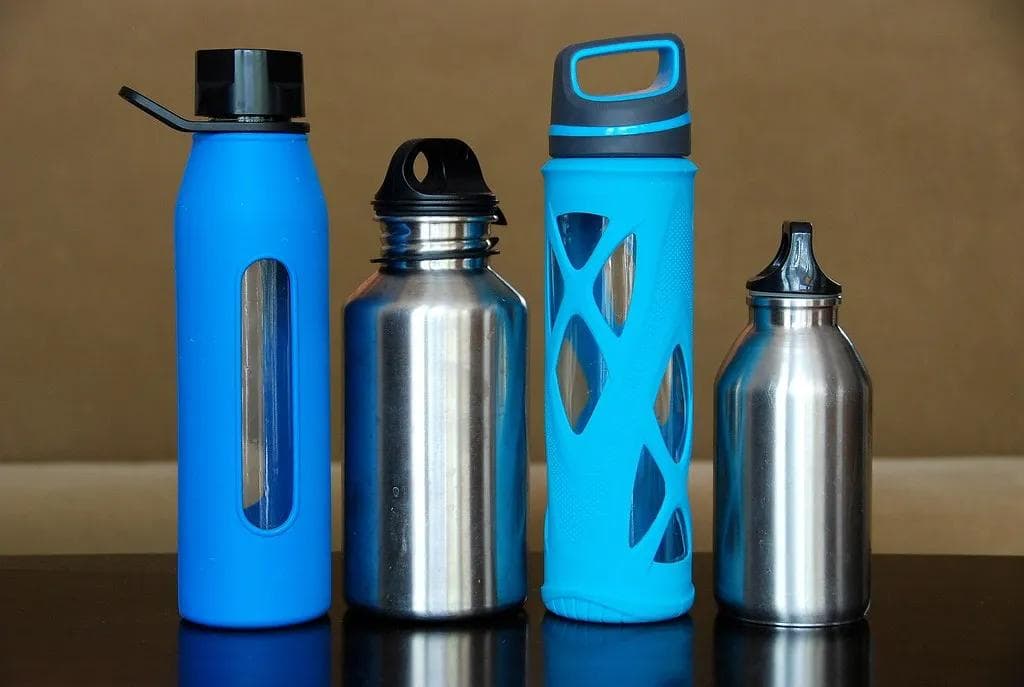


While avoiding plastic single-use water bottles are a great step towards avoiding microplastic ingestion, investing in a plastic-free water reusable water bottle made from stainless steel, glass, copper, or titanium will ensure that you keep your drinking water clean on the go.
In this article, we review the reasons why you should look for a new non-plastic water bottle and recommend great options in all four of these materials to help find what products are right for you.
This article has been massively overhauled in January 2026 to bring the best updated list of options to our readers. In our past listings, we included water bottle options that overall improved the reduction of microplastic exposure, but still contained some plastic internal components as a trade off. This newly overhauled list emphasizes these changes and adds new, better options for living a microplastic-free lifestyle.
Did you know that the average person ingests about a credit card's worth of plastic every week? Since the industrialization and mass manufacturing of plastic material, the planet has been contaminated with a byproduct of plastic products - microplastics.
Unfortunately, microplastics can now be found in nearly every water source on earth - even in clouds and rainfall. There are many health risks associated with microplastic ingestion and absorption.
These nasty particles can affect our hormones resulting in fertility issues and overall health, especially in men. However, one way to drastically and sustainably reduce microplastic intake is by carefully selecting a reusable water bottle as alternatives to plastic water bottles to carry around our specially filtered (reverse osmosis) water.
Benefits of ditching plastic water bottles
Regular single use plastic water bottles that you might be purchasing definitely contain microplastics. This is because there is still no standard for filtration techniques to fully remove particles of this size.
Also, some sources such as natural springs likely still contain microplastics. Secondly, even if these plastic water bottles are from a company that claims to filter our plastics, they are still in a plastic bottle! This material, especially if left in warm environments or direct sunlight, can continue to leech microplastics into the water inside the container forever.
That leaves us with a few options for finding a new container for our filtered water to prevent this from occurring.
Is it possible to find a truly plastic-free reusable water bottle?
While a stainless steel, glass, copper, or titanium based water bottle is an excellent step towards reducing microplastic exposure, there are some considerations for plastic components such as sealing rings, commonly made from silicone.
Here's the reality - the benefits of opting for (mostly) plastic-free bottles made from glass and metal interiors far outweigh the small detrimental effects of using silicone for a small internal component on most water bottles. Read on to learn more about how this impacted our criteria for our best water bottles of 2026.
The best water bottle materials for reducing your microplastic exposure
There are three common materials for water bottle alternatives that will satisfy our microplastic exposure reduction - stainless steel, glass, copper, and titanium.
Stainless steel, the most common alternative you will see in stores and online, is a great affordable choice at the expense of a heavier base weight. Most stainless steel bottle companies provide insulated options which would be great for keeping your water or tea hot or cold.
Glass is another option that, while brittle, could come with a silicone protector to prevent cracks. The main advantage of glass is that it is transparent, so if you prefer to easily see how much you are drinking throughout the day, glass is for you.
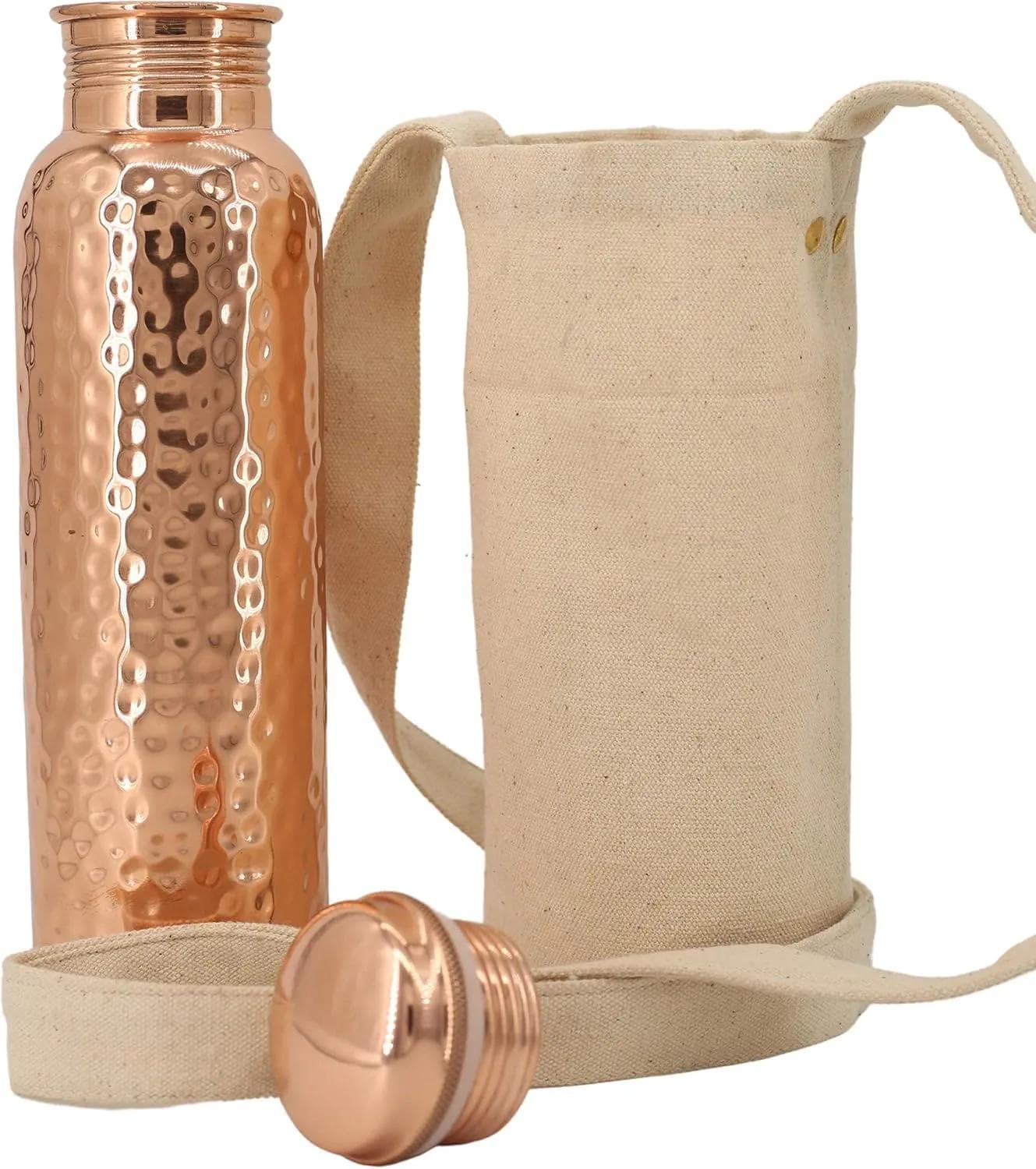
Copper is lighter than stainless steel but more generally expensive and typically uninsulated. Since copper is naturally resistant to molds and other growth, it is a decent option for those who plan on drinking liquids other than pure water.
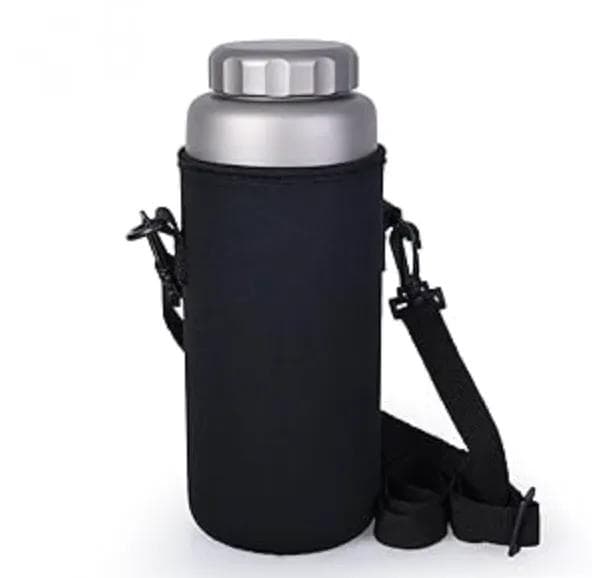
Titanium is half the weight of stainless steel and even more resistant to heat and cold, making it a solution for those looking for lightweight bottles on camping or backpacking trips. However, it is the most expensive option on this list.
Our criteria for finding the best water bottles that reduce microplastic exposure
Plastic-free bottle and cap interior: the interior, water contacting surfaces of our bottle selections must only be made from natural, plastic-free materials, with a single exception for silicone (more on that below).
Plastic-free mouthpiece: the part of the water bottle, either from a flip-cap or screw-off lid, must be plastic free. This ensures we are not contacting plastic with our mouth while drinking.
Silicone internal components with minimal exposure: gaskets for screw-on caps and lid enclosures are allowed, but noted in our final scores.
The best stainless steel bottle - Bambaw Stainless Steel Non-Insulated Water Bottle
Bambaw's Stainless Steel Water Bottle covers our main gripe with modern 'plastic-free' water bottles we see on the market today - the interior lid is actually stainless steel instead of plastic. When you're shopping for other stainless steel bottles on the market, especially on Amazon, always note when pictures showing the underside of the screw-on lid are nowhere to be found.
Like the rest of our top picks, this bottle still has a small, minimally exposed silicone ring at the top of the cap threading.
Be sure to check out Bambaw's other stainless steel options for different sizes, insulation types, and more.
The best glass bottle - Ello Syndicate Glass Water Bottle
Ello Syndicate covers an incredibly unique niche plastic-free water bottle search - a durable yet easy-to-use glass option.
Glass, as a water bottle material, presents design challenges that make most manufacturers give up and opt for an entirely plastic-interior lid, but this bottle utilizes a locking mechanism to hold a leak-proof seal with silicone only. While this is a bit more silicone than we would have preferred for a 'perfect' glass water bottle, it is more than enough of an improvement over other glass bottles that utilize other, more harmful plastics.
One more note to add is that the rest of the bottle and cap exterior, while containing plastic, is not contacting any liquid. Even the mouthpiece is part of the main glass construction.
The best copper water bottle - Kitchen Science Copper Water Bottle
Certainly the most rare material option for water bottles, Kitchen Science's Copper Water Bottle not only provides the reduction in microplastic ingestion you're here for, but other additional health benefits as well.
The best titanium water bottle - Boundless Voyage Titanium Sport Water Bottle
Boundless Voyage's Titanium Water Bottle solves the least compelling trade-off of using plastic-free water bottles - weight. While more expensive, titanium is much lighter than other metal and glass containers, making it a fantastic way to go plastic-free for hiking and travel purposes.
Conclusion:
When you choose one of these options, you will be one step closer to a microplastic-free lifestyle that is better for you and your family's health.
If you want to learn more about ways to reduce your daily microplastic consumption for good, read on in our full guide.
Related
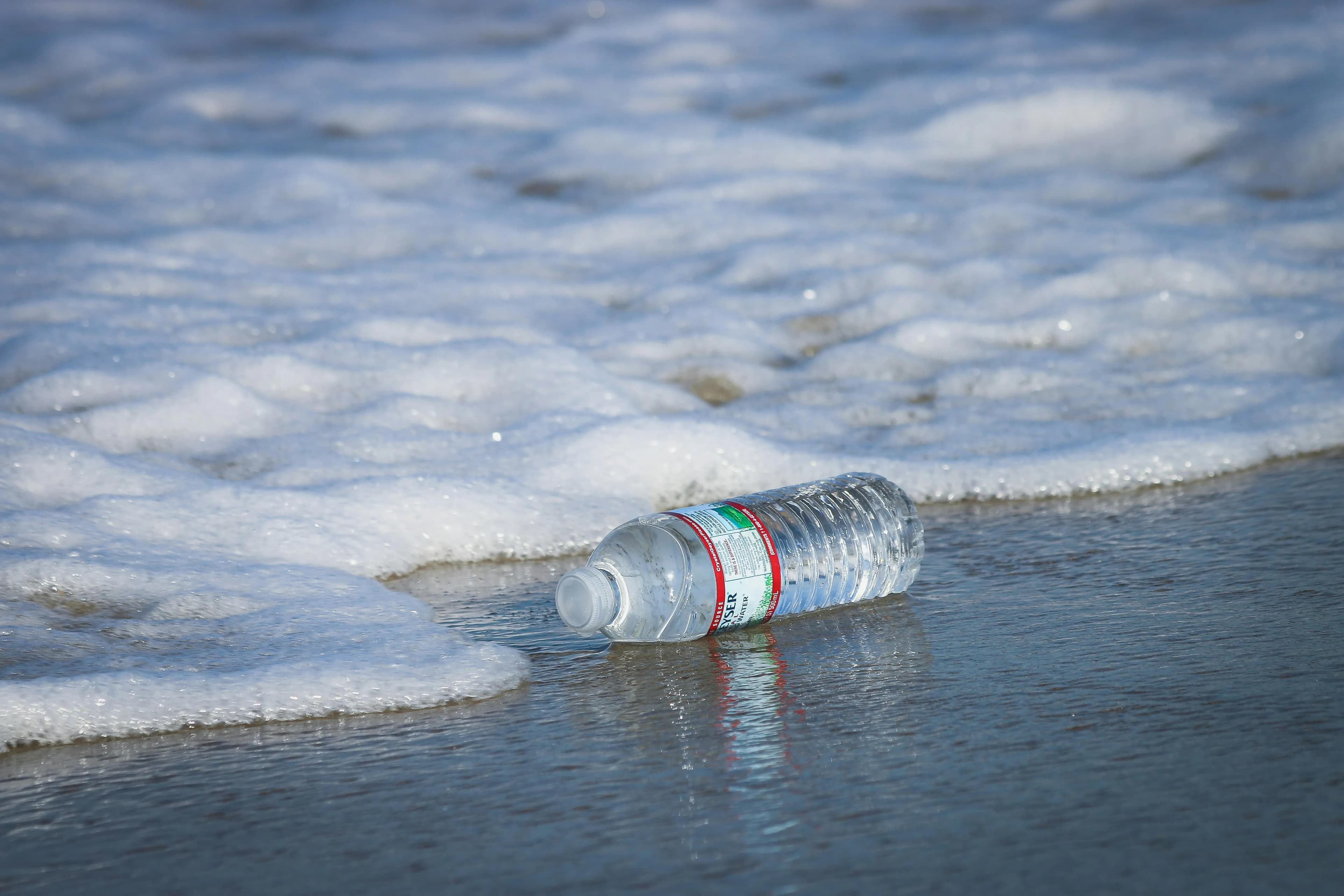
Is there bottled water without microplastics?
Does bottled water have microplastics? Can you buy bottled water without microplastics? How to filter microplastics from water, and kinds of bottles are safe to store water in.
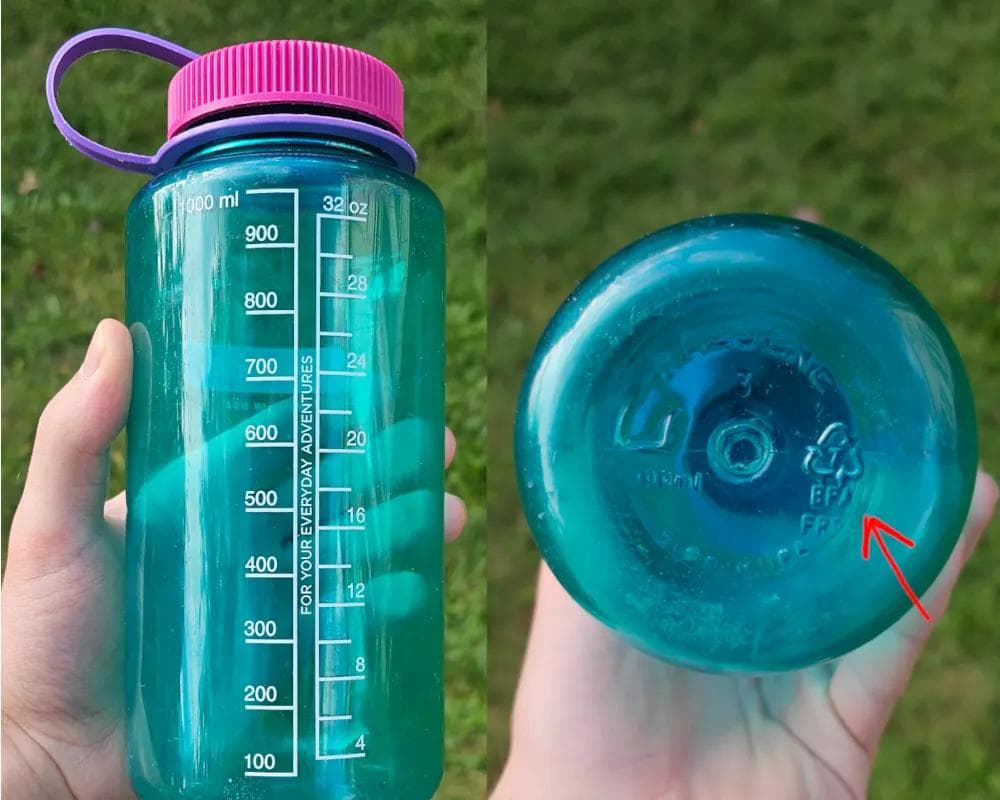
Tritan nalgene bottles leach microplastics, especially in the dishwasher
Do Tritan Nalgene water bottles leach microplastics? Are bottles by Nalgene dishwasher safe, and is Nalgene safe at all for human use?
_Lidl.avif&w=3840&q=75)