Silicone
What is Silicone?
Silicone is a synthetic polymer made from silica (silicon dioxide, found in sand) through chemical reactions combining silicon with oxygen, carbon, and hydrogen. It's used extensively for kitchenware (baking mats, spatulas, molds), food storage bags, baby products (pacifiers, bottle nipples, teething toys), medical devices (implants, tubing), sealants and adhesives, personal care products, and electronics.
For those seeking plastic-free living, high-quality silicone is one of the few plastics that is not considered a top priority when avoiding microplastics. Silicone is reasonable compromise for certain applications where natural alternatives don't perform well, or are necessary, but should be still avoided in products marketed towards high-heat applications, such as cooking utensils.
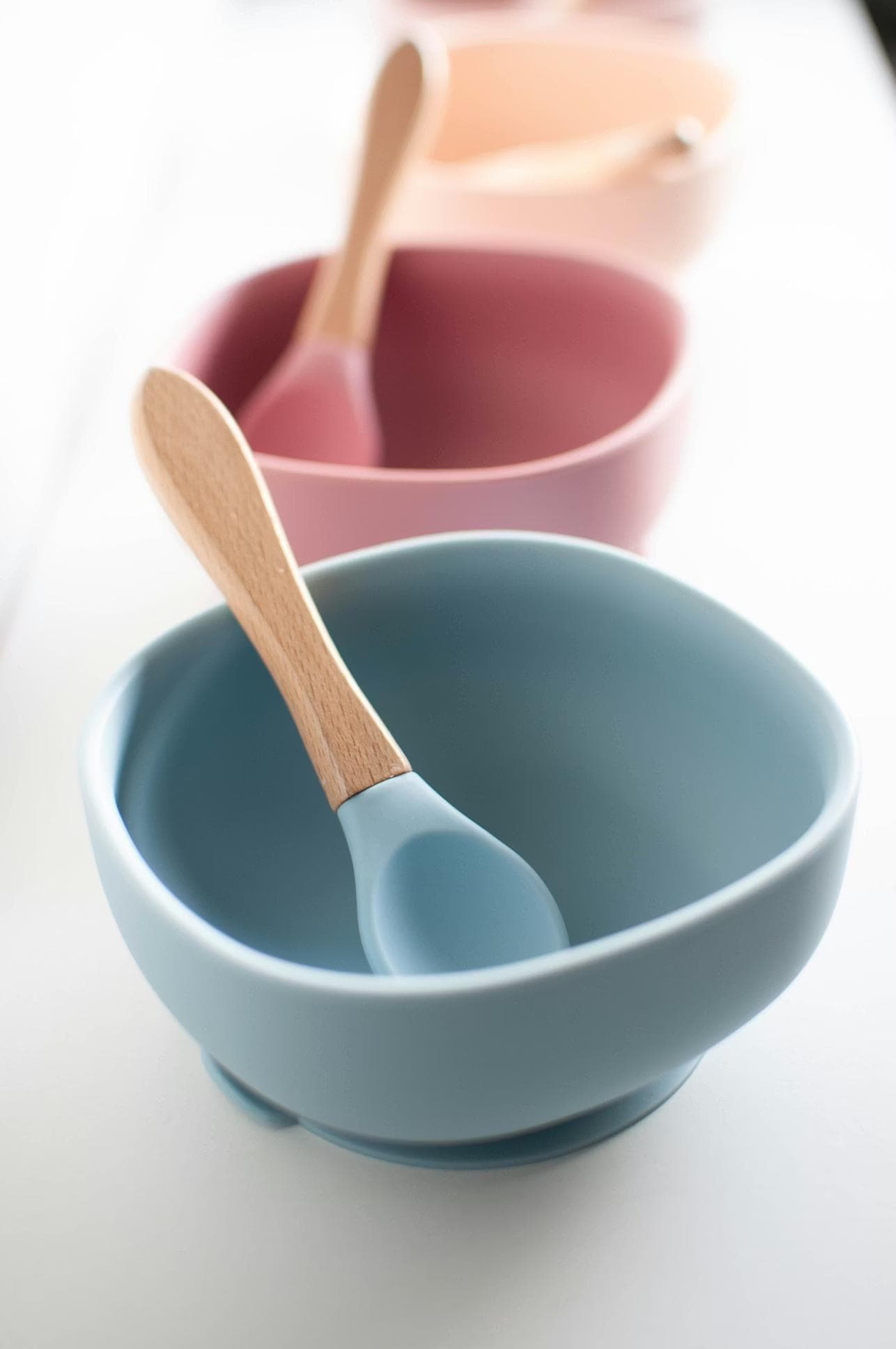
Silicone kitchenware with wooden handles. Photo: Unsplash
Common Uses for Silicone
Kitchen Tools: Spatulas, whisks, baking brushes, pot holders, trivets, jar openers
Baking: Baking mats, muffin pans, cake molds, bread pans, cupcake liners
Food Storage: Reusable storage bags, stretch lids, bowl covers, ice cube trays
Baby Products: Pacifiers, bottle nipples, teething toys, bibs, placemats, feeding spoons
Personal Care: Menstrual cups, makeup applicators, facial cleansing brushes, body scrubbers
Is Silicone Safe? Health & Safety Recommendations
Microplastic Concerns: Even though silicone is not a typical plastic, it still sheds some microplastics through wear and degradation, particularly from items subject to friction like spatulas and storage bags. These particles are chemically different from petroleum-based microplastics but still represent synthetic contamination.
Chemical Safety: High-quality, pure silicone is generally considered one of the safest synthetic materials. Medical-grade silicone is approved for long-term body implants, indicating relative safety. Silicone is chemically inert - it doesn't react with foods, beverages, or body tissues under normal conditions. However, low-quality silicone may contain fillers (plastic fillers, inert fillers) that defeat the safety benefits.
Certifications to Look For: Medical-grade silicone or food-grade silicone designation. FDA approval for food contact. LFGB certification (European food safety). Platinum-cured silicone (higher quality than peroxide-cured). BPA-free and phthalate-free certification (though pure silicone shouldn't contain these anyway). Pure silicone confirmation (no plastic fillers).
Silicone kitchenware with wooden handles. Photo: Unsplash




Frequently Asked Questions About Silicone
Is silicone plastic?
Silicone is technically partially plastic, a synthetic rubber/elastomer made from silicon (derived from silica/sand), oxygen, carbon, and hydrogen, and shares many characteristics with plastics.
Does silicone shed microplastics?
The microplastic shedding from silicone is not as problematic as other plastic materials when used in food and water storage applications, but should be avoided when possible, particularly in high-heat applications such as cookware utensils.