Wood
What is Wood?
Wood is a natural composite material derived from the trunks, branches, and roots of trees and woody plants, consisting primarily of cellulose fibers bound together by lignin. Wood is naturally biodegradable, renewable, and does not shed microplastics, offering excellent durability, insulation properties, and aesthetic appeal across countless applications.
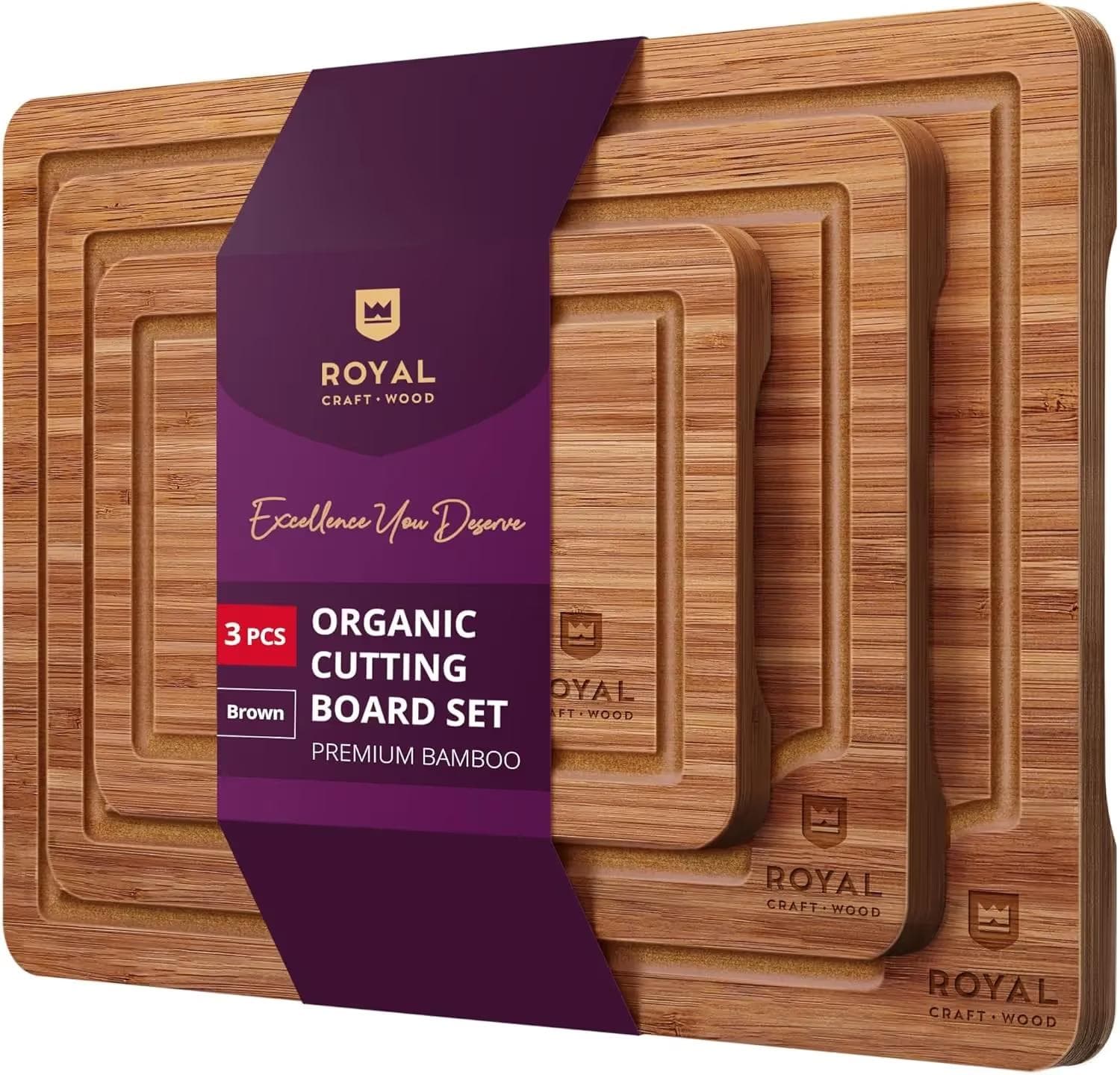
For plastic-free living, wood offers a classic and safe alternative to plastic in kitchenware, home goods, and furniture. Wooden cutting boards, utensils, and serving ware provide natural antimicrobial properties (particularly hardwoods like maple and walnut) while avoiding the microplastic shedding inherent in plastic alternatives.
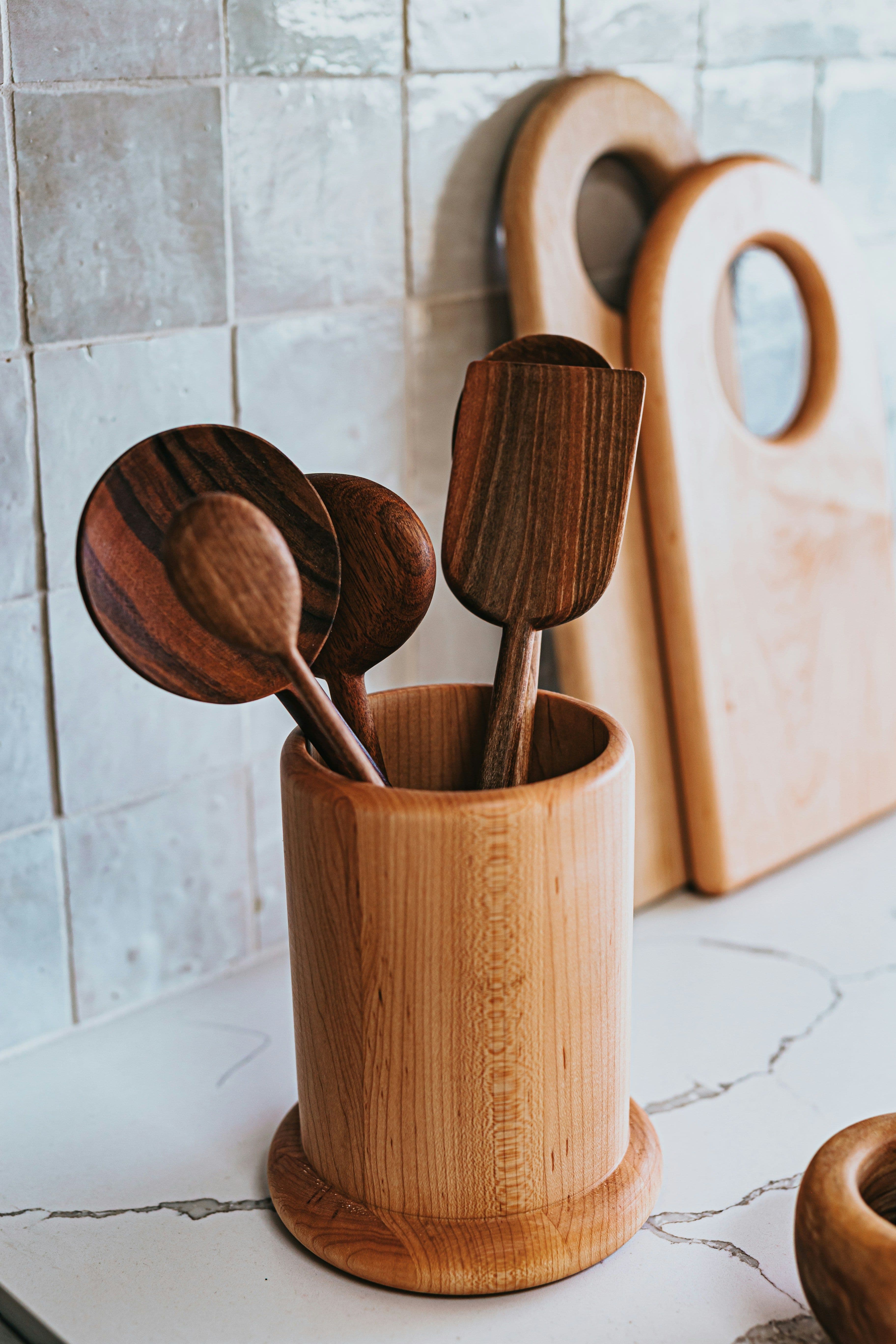
Wooden cooking utensils. Photo: Unsplash
Common Uses for Wood
Kitchenware: Cutting boards, spoons, spatulas, serving bowls, salad tongs, rolling pins
Furniture: Tables, chairs, shelving, bed frames, cabinets
Is Wood Safe? Health & Safety Recommendations
Microplastic Concerns: Wood does not shed microplastics. As a natural plant material made of cellulose and lignin, wood is completely biodegradable and breaks down into organic matter without leaving persistent plastic particles. This makes wooden cutting boards, utensils, and kitchenware far superior to plastic alternatives that shed microplastic particles directly into food during cutting, stirring, and serving.
Chemical Safety: The safety of wood products depends heavily on finishes and treatments. Untreated or naturally finished wood (mineral oil, beeswax) is safe for food contact. However, some wooden items are treated with synthetic sealants, varnishes, or preservatives that may contain VOCs (volatile organic compounds), formaldehyde, or other chemicals. For food-contact items, choose wood finished only with food-safe mineral oil, beeswax, or walnut oil.
Certifications to Look For: FSC (Forest Stewardship Council) certification ensures sustainable harvesting from responsibly managed forests. GREENGUARD certification verifies low chemical emissions for furniture and indoor products. Food-safe certifications or explicit "food-safe finish" labeling for kitchenware. USDA BioPreferred for verified bio-based content.
Wooden cooking utensils. Photo: Unsplash




Frequently Asked Questions About Wood
Is wood plastic-free?
Yes, wood is completely plastic-free. It's a natural plant material composed of cellulose fibers and lignin, containing no petroleum-based plastics.
Does wood shed microplastics?
No, wood does not shed microplastics. Any particles that break off from wooden items are natural, biodegradable plant fibers that decompose into organic matter. This makes wooden cutting boards and utensils far safer than plastic alternatives that shed microplastic particles directly into food during use.
Are wooden cutting boards sanitary?
Yes, wooden cutting boards are sanitary when properly maintained. In fact, wooden cutting boards are less prone harboring bacterial growth than plastic cutting boards.