Bamboo Wood
What is Bamboo Wood?
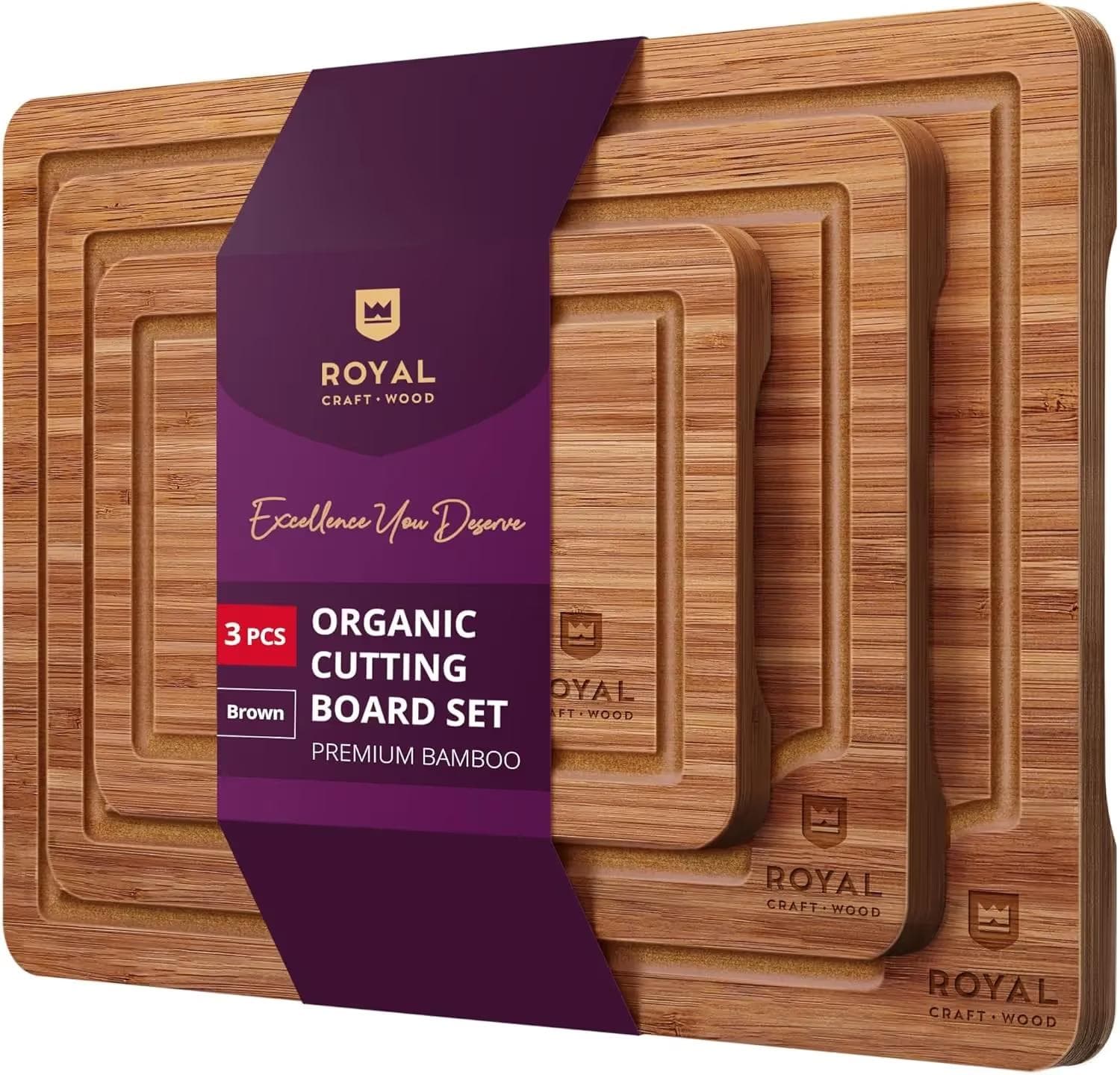
Bamboo wood refers to solid bamboo material used as a wood alternative, though bamboo is technically a grass rather than a tree. Various bamboo species, particularly Moso bamboo (Phyllostachys edulis), are harvested and often processed into bamboo cutting boards and kitchenware utensils, due to its naturally antimicrobial properties.
For plastic-free living, bamboo wood provides similar plastic-free benefits to other types of wood.
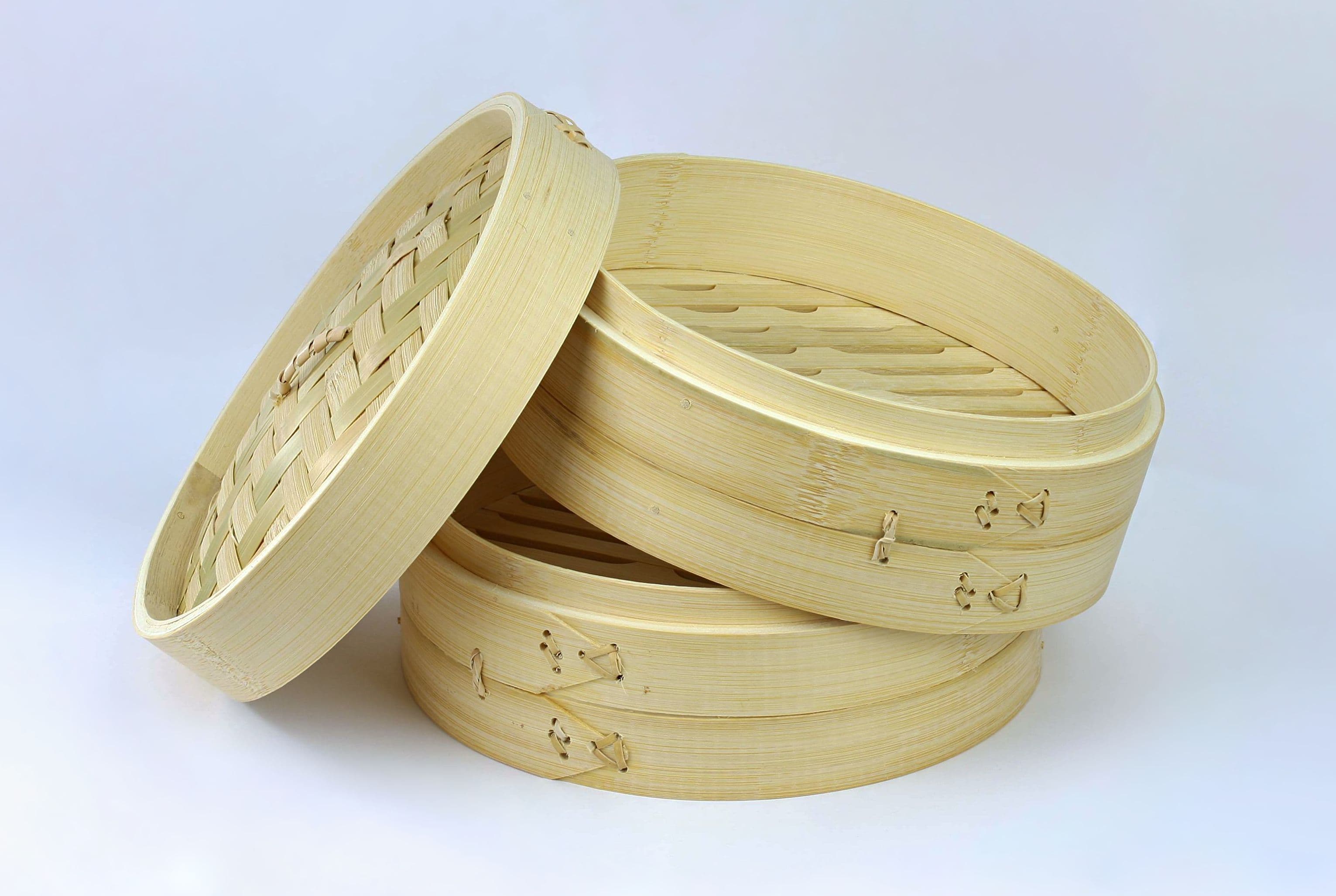
Steamer set made from bamboo wood. Photo: Wikipedia
Common Uses for Bamboo Wood
Kitchen Items: Cutting boards, utensils, spatulas, spoons, serving boards, knife blocks
Furniture: Tables, chairs, shelving, desks, bed frames
Dining: Bowls, plates, serving trays, chopsticks, trivets
Travel Items: Reusable utensils, straws, travel cutlery sets, toothbrushes
Is Bamboo Wood Safe? Health & Safety Recommendations
Microplastic Concerns: Solid bamboo wood does not shed microplastics. It's a natural plant material that biodegrades completely into organic matter.
Chemical Safety: The primary concern with bamboo wood products is adhesive quality in laminated bamboo. Lower-quality bamboo products may use urea-formaldehyde adhesives that can off-gas formaldehyde (a known carcinogen and respiratory irritant) into indoor air. High-quality bamboo uses E0 or E1 rated adhesives (European standards for low formaldehyde emission) or formaldehyde-free adhesives. Solid bamboo pieces (not laminated) avoid this concern entirely. Some bamboo is also treated with pesticides or preservatives, though bamboo naturally resists pests better than most woods.
Certifications to Look For: FSC (Forest Stewardship Council) certification ensures sustainable harvesting. GREENGUARD or GREENGUARD Gold certification verifies low chemical emissions. E0 or E1 formaldehyde ratings indicate safe adhesive levels. OEKO-TEX can apply to bamboo textiles and products. USDA BioPreferred certification verifies bio-based content.
Steamer set made from bamboo wood. Photo: Wikipedia




Frequently Asked Questions About Bamboo Wood
Is bamboo wood plastic-free?
Yes, bamboo wood is completely plastic-free. It's a natural plant material (technically a grass, not wood) that contains no petroleum-based plastics.
Does bamboo wood shed microplastics?
No, bamboo wood does not shed microplastics. As a natural plant material, any particles that break off are biodegradable cellulose fibers. This makes bamboo cutting boards and utensils far superior to plastic alternatives that shed microplastic particles into food during cutting and stirring.
Does bamboo contain formaldehyde?
Solid bamboo does not naturally contain formaldehyde. However, laminated bamboo products may contain formaldehyde in the adhesives used to bond bamboo strips together. Low-quality bamboo products can off-gas formaldehyde into indoor air. To avoid this, look for products certified E0 or E1 (European low-formaldehyde standards), GREENGUARD certified, or explicitly labeled "formaldehyde-free adhesive."