CEDR
100% natural fiber men's underwear - no synthetics, no compromises
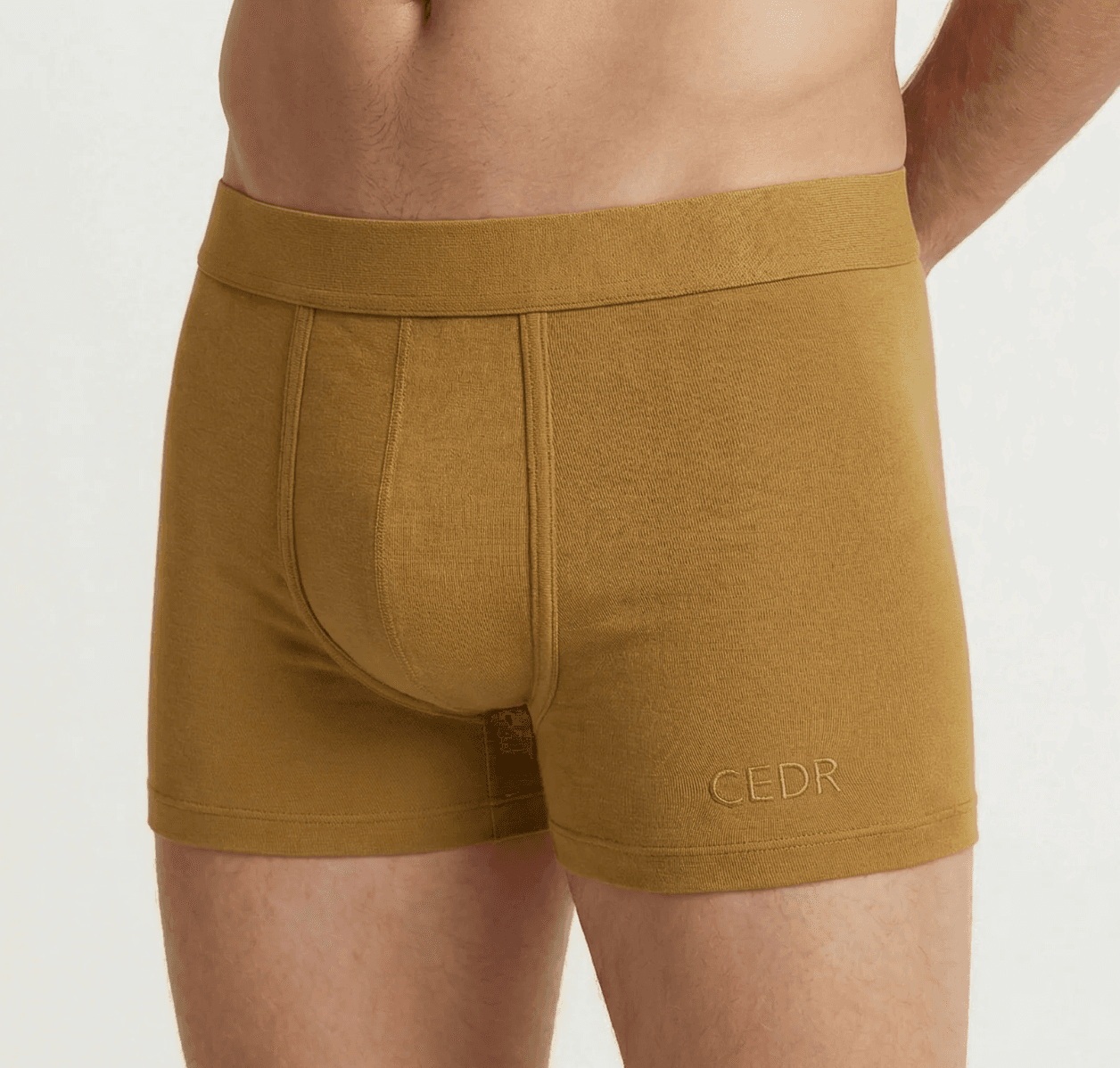
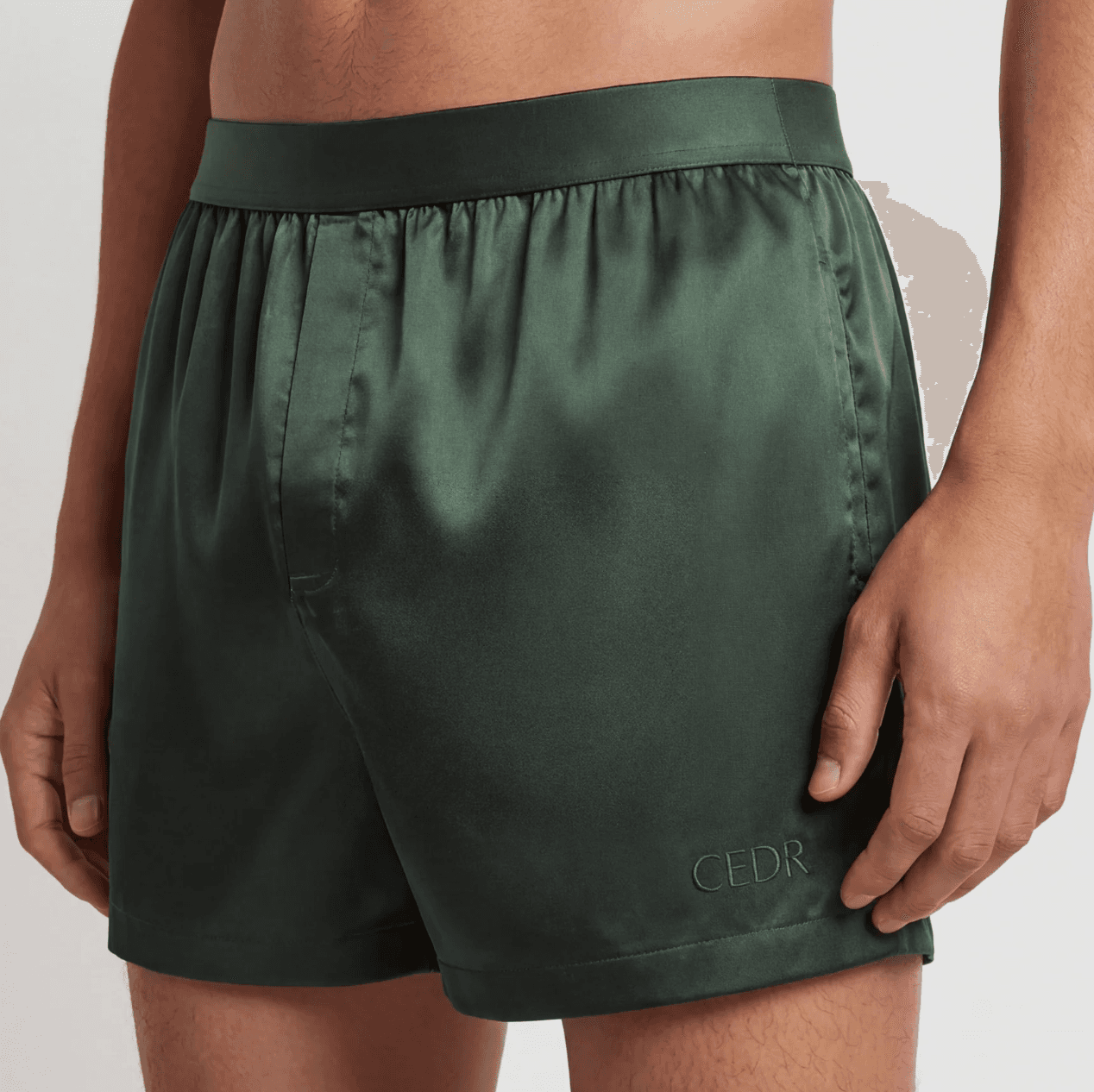
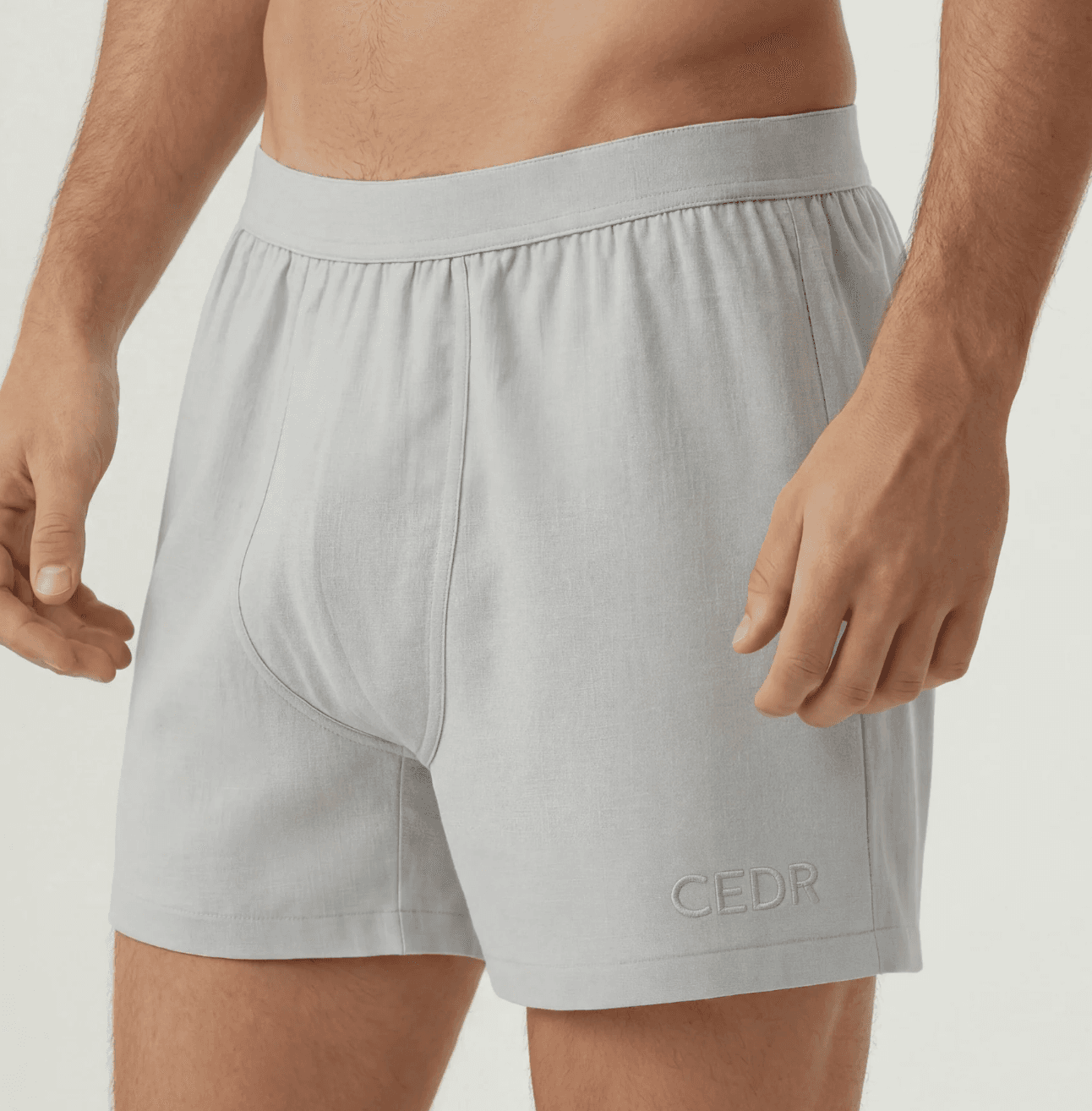
CEDR is a premium men's underwear brand committed to 100% natural fibers with absolutely no synthetics, sourcing the finest merino wool, organic cotton, silk, and linen to create underwear with materials that perform, cuts that fit, and designs that look clean and modern.
Fully Plastic-Free Options:
- Merino wool (RWS certified) boxers and briefs
- Organic cotton (GOTS certified) boxers, available dyed or undyed
- Organic cotton & linen blend sleep boxers
- Pure silk boxers
- All products feature certified organic rubber waistbands (no synthetic elastic)
All CEDR products are OEKO-TEX Standard 100 certified, ensuring they're safe for direct skin contact and free from harmful substances.
More from CEDR
Microplastics can be absorbed through skin contact with synthetic (non-organic) clothing and bedding, as well as plastic-containing skincare products.
This brand offers a complete plastic-free catalog, meaning all products in their collection are free from plastic materials.
Merino wool is a fine, soft fiber sourced from Merino sheep, a breed that originated in Spain during the 12th century and is now primarily raised in Australia and New Zealand. Merino fibers are significantly finer than standard wool (typically 15-24 microns in diameter compared to 25-35+ microns for regular wool), making them less itchy and suitable for direct skin contact. The fiber excels at temperature regulation, naturally resists odors, and has superior moisture management compared to conventional wool, making it the premium choice for performance base layers, activewear, and next-to-skin garments.
For plastic-free living, merino wool often outperforms synthetic athletic wear and base layers without any microplastic shedding, making it invaluable for athletes, outdoor enthusiasts, and travelers seeking plastic-free alternatives to technical synthetic fabrics.
Organic cotton is chemically identical to regular cotton but grown without synthetic pesticides, herbicides, or genetically modified seeds, using farming methods that prioritize soil health, water conservation, and biodiversity. Certified by standards such as GOTS (Global Organic Textile Standard) or USDA Organic, organic cotton farming began gaining traction in the 1990s as an alternative to conventional cotton's heavy chemical use.
For those seeking to minimize both microplastic and chemical exposure, organic cotton represents the gold standard in natural textiles.
Silk is a natural protein fiber produced by silkworms, primarily the domesticated Bombyx mori species, during their cocoon-spinning stage. Silk fibers are exceptionally smooth, strong for their weight, and possess a natural luster that gives fabric a distinctive sheen. The material is breathable, hypoallergenic, biodegradable, and does not shed microplastics, though it requires delicate care and is sensitive to prolonged sun exposure and high heat.
For plastic-free living, silk offers luxury performance properties that synthetic "silk-like" fabrics attempt to replicate but never truly match.
Linen is a natural bast fiber extracted from the stem of the flax plant (Linum usitatissimum) and is known for it's strength and cooling properties, often used for clothing and bedding in hot climates. Linen fibers are highly absorbent, dry quickly, and become softer with each wash while maintaining exceptional durability and strength.
For plastic-free living, linen is an excellent durable, comfortable, and antimicrobial fabric, superior to plastic-based alternatives for most use cases.
Natural rubber, also called natural latex, is an elastic material derived from the milky sap (latex) of the rubber tree (Hevea brasiliensis) which is composed of polymers of isoprene, a natural hydrocarbon, making it completely biodegradable and renewable. The material is highly elastic, water-resistant, durable, and does not shed microplastics, all while being sustainable.
For plastic-free living, natural rubber provides an essential alternative to synthetic rubber (made from petroleum) and semi-synthetic alternatives (silicone).
Own this brand and want to add more information? Reach out to us to get verified.