Alpaca Wool
What is Alpaca Wool?
Alpaca wool is a natural fiber harvested from alpacas, and is prized for being softer, warmer, and lighter than sheep's wool. The fiber is naturally hypoallergenic due to its lack of lanolin, water-resistant, and available in over 20 natural colors ranging from white to black. Alpaca fiber comes in two main grades: huacaya (the more common fluffy fiber) and suri (silkier, more lustrous fiber used in luxury textiles).
For plastic-free living, alpaca wool could represent an even better option than typical sheep's wool when avoiding alternative fabrics made from plastic for some consumers.
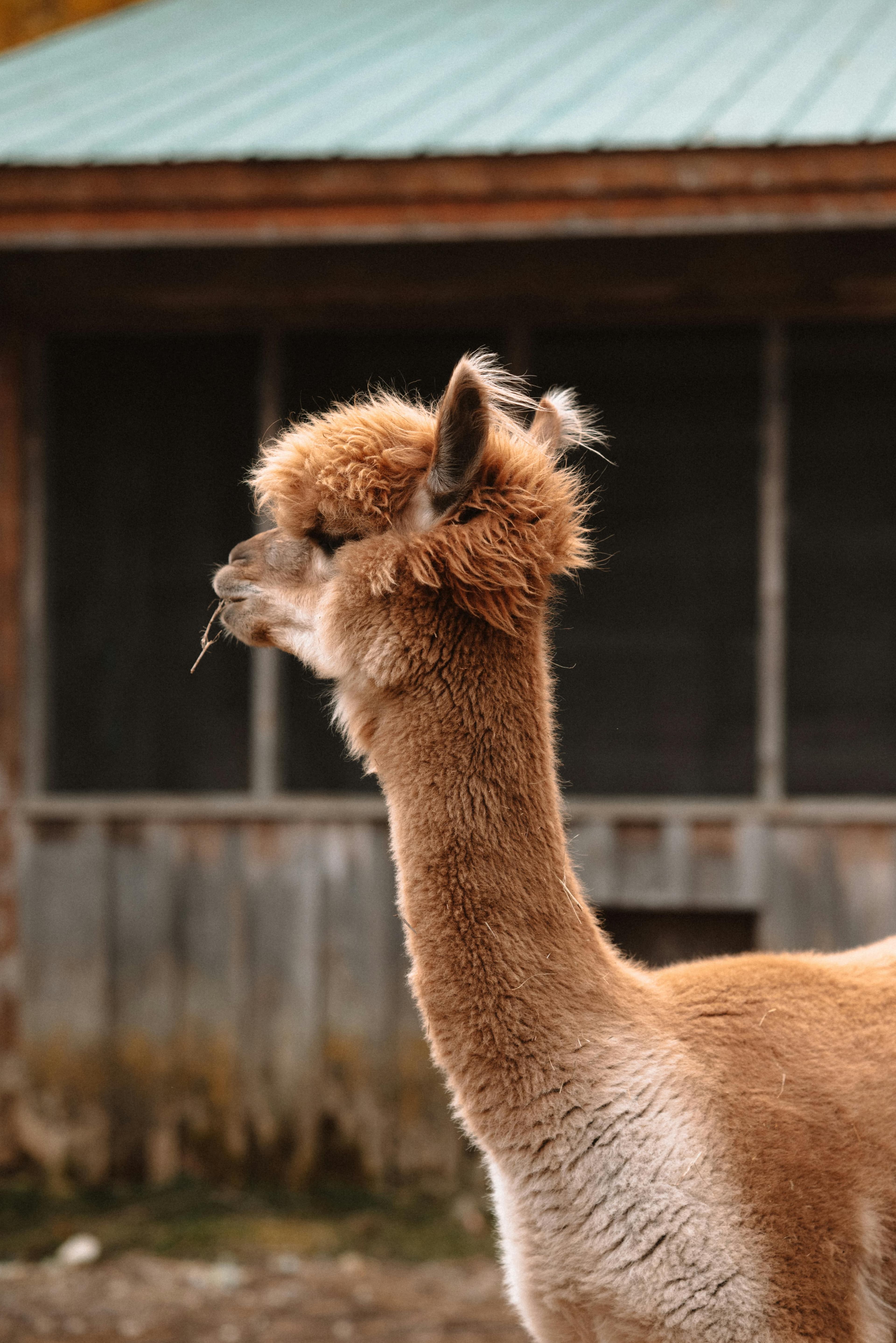
Close-up of alpaca with luxurious natural fleece. Photo: Pexels
Common Uses for Alpaca Wool
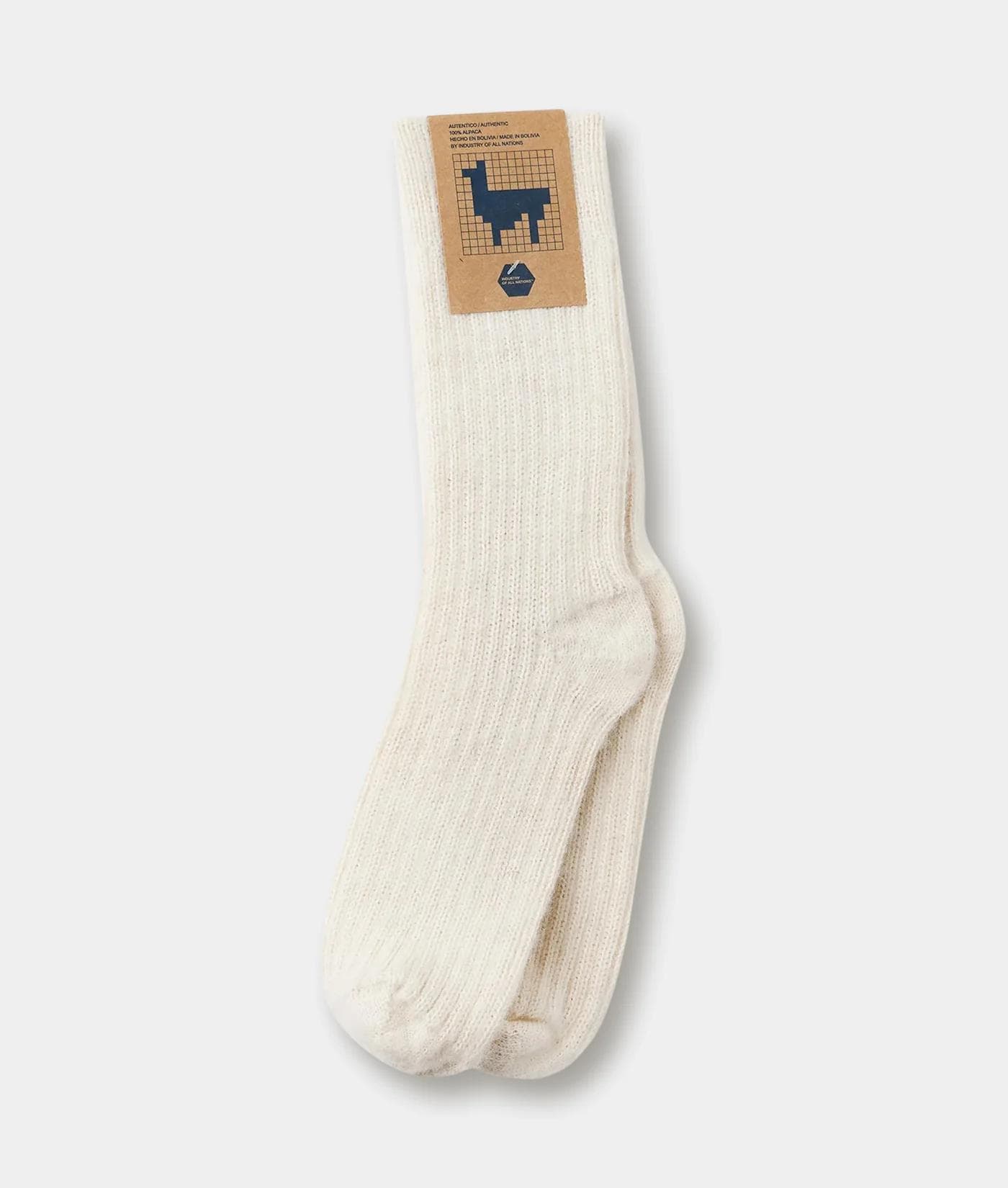
Apparel: Sweaters, cardigans, base layers, socks, dress wear
Outerwear: Coats, ponchos, capes
Accessories: Scarves, hats, gloves, mittens, shawls
Home Textiles: Blankets, throws, rugs, pillows
Is Alpaca Wool Safe? Health & Safety Recommendations
Microplastic Concerns: Alpaca wool does not shed microplastics. Like sheep wool, alpaca is a natural protein fiber that biodegrades into organic matter. This makes it an excellent plastic-free alternative to synthetic fleece and performance fabrics, particularly for people seeking high-performance insulation without environmental impact.
Chemical Safety: Alpaca fiber typically undergoes minimal chemical processing compared to sheep wool. Because alpacas produce less lanolin than sheep, the scouring (cleaning) process requires fewer chemicals. Alpaca is rarely subjected to the harsh chlorine treatments (Superwash processing) common in sheep wool, making it generally cleaner from a chemical perspective. However, conventional alpaca may still be treated with moth-proofing chemicals or harsh dyes.
Certifications to Look For: OEKO-TEX Standard 100 ensures no harmful substances in the final product. Some brands also pursue Fair Trade certification to ensure ethical treatment of alpaca herders in Peru and Bolivia. Unlike sheep wool, there's less standardized organic certification for alpaca, but many small producers use traditional, chemical-free methods.
Close-up of alpaca with luxurious natural fleece. Photo: Pexels


Frequently Asked Questions About Alpaca Wool
Is alpaca wool plastic-free?
Yes, alpaca wool is completely plastic-free. It's a natural protein fiber from alpaca fleece, containing no petroleum-based materials.
Does alpaca wool shed microplastics?
No, alpaca wool does not shed microplastics. Any fibers released during washing are natural, biodegradable proteins that break down into organic matter. This makes alpaca an exceptional alternative to synthetic fleece and insulated jackets that shed hundreds of thousands of microplastic particles per wash.
Is alpaca warmer than regular wool?
Yes, alpaca is approximately three times warmer than sheep wool by weight. This is because alpaca fibers are hollow, creating superior insulation through trapped air. The hollow core also makes alpaca lighter than sheep wool while providing more warmth, giving it an exceptional warmth-to-weight ratio ideal for cold-weather gear.