Wool
What is Wool?
Wool is a natural protein fiber obtained from the fleece of sheep and related animals, composed primarily of keratin, the same structural protein found in human hair. Wool fibers have a natural crimp and scales that provide excellent insulation, moisture-wicking properties, and elasticity. The fiber is naturally flame-resistant, biodegradable, and does not shed microplastics during washing, though it requires careful laundering to prevent felting and shrinkage.
For plastic-free living, wool offers exceptional performance benefits that often surpass synthetic alternatives marketed for activewear and cold-weather gear, without the microplastic shedding associated with polyester or nylon performance fabrics
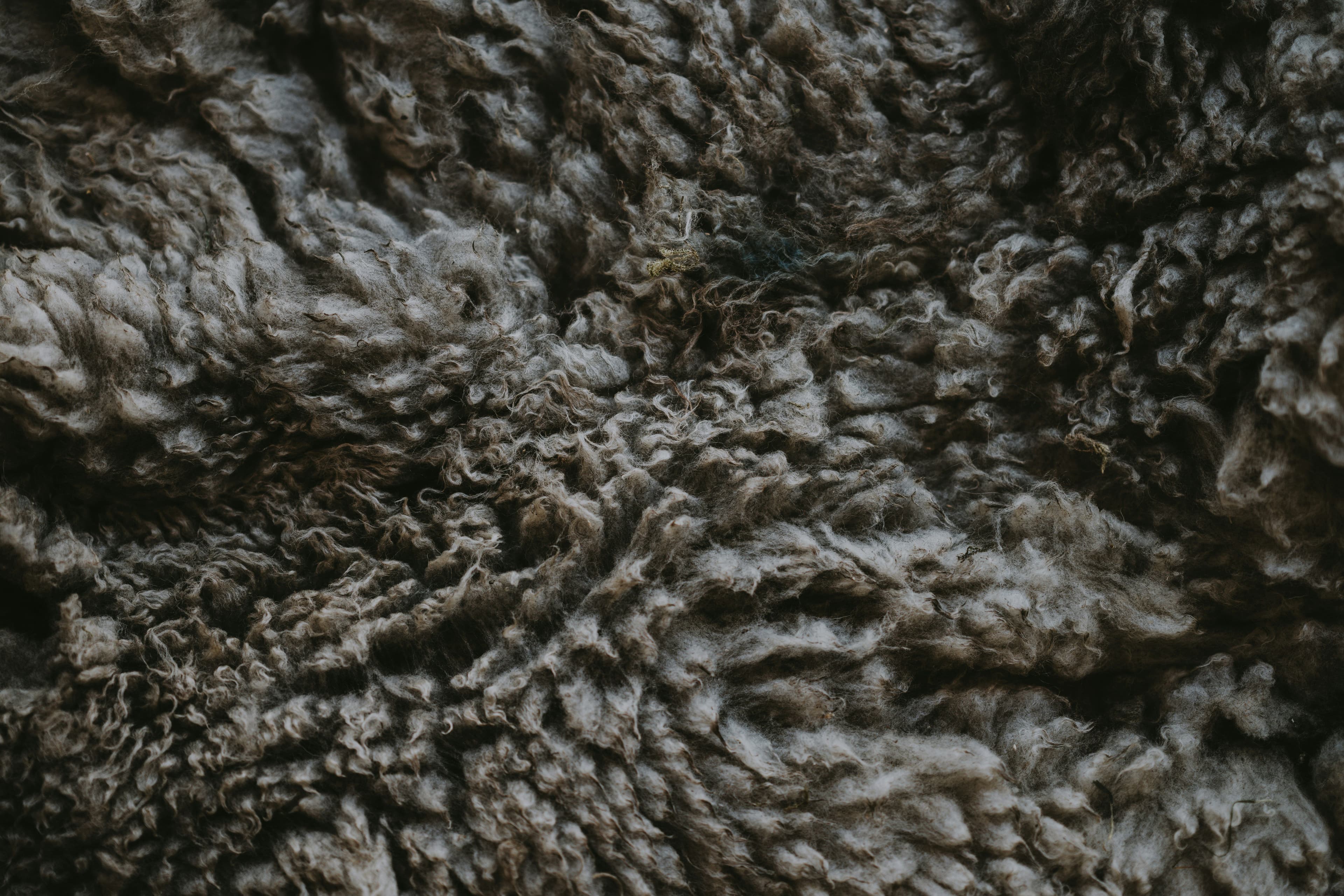
Raw sheep's wool. Photo: Unsplash
Types of Wool
Alpaca Wool
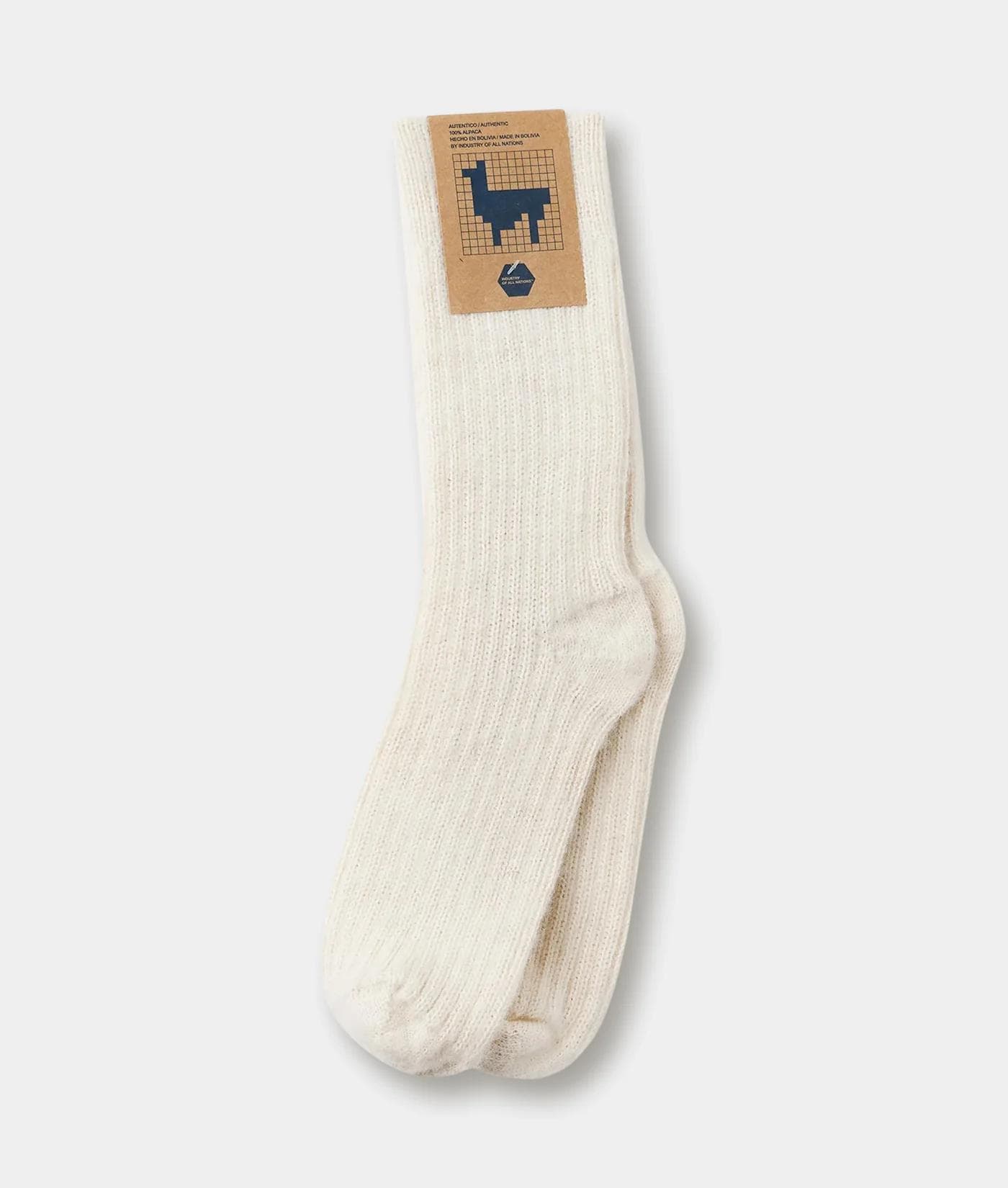
Luxury fiber from alpacas, softer and warmer than sheep wool, naturally hypoallergenic.
Merino Wool
Ultra-fine sheep wool ideal for base layers, soft enough for sensitive skin, naturally odor-resistant.
Common Uses for Wool
Apparel: Sweaters, socks, base layers, suits, dress pants, coats
Outerwear: Jackets, winter coats, peacoats, ski wear
Home Textiles: Blankets, rugs, upholstery, throws, carpet
Outdoor Gear: Sleeping bags, camping blankets, hiking socks
Accessories: Hats, gloves, scarves, mittens, headbands
Is Wool Safe? Health & Safety Recommendations
Microplastic Concerns: Wool does not shed microplastics. As a natural protein fiber, wool is completely biodegradable and breaks down into organic matter without leaving persistent plastic particles. This makes wool an excellent plastic-free alternative to synthetic performance fabrics like polyester fleece and nylon activewear, which shed hundreds of thousands of microplastic fibers per wash.
Chemical Safety: Conventional wool may be treated with synthetic moth-proofing chemicals (permethrin, pyrethroids), chlorine-based shrink-resistance treatments (Superwash processing), and chemical sheep dips containing organophosphates. These treatments can leave residues that may irritate sensitive skin. Organic wool or wool certified by GOTS avoids these harsh chemical treatments. Additionally, some people are sensitive to lanolin, the natural oil in wool, though this is relatively uncommon.
Certifications to Look For: GOTS (Global Organic Textile Standard) ensures organic farming and chemical-free processing. ZQ Merino certifies animal welfare and environmental standards. Responsible Wool Standard (RWS) covers animal welfare and land management. OEKO-TEX Standard 100 tests for harmful substances in the final product.
Recommendations: Choose untreated or GOTS-certified wool for items worn directly against skin, especially base layers and socks. For outerwear where chemical treatments are less concerning, conventional wool still vastly outperforms synthetic alternatives in terms of microplastic impact. Avoid "Superwash" wool for plastic-free living, as the chlorine treatment and polymer coating used for shrink-resistance can introduce environmental concerns.
Raw sheep's wool. Photo: Unsplash







Frequently Asked Questions About Wool
Is wool plastic-free?
Yes, wool is completely plastic-free. It's a natural protein fiber obtained from sheep fleece, composed of keratin (the same protein in human hair and nails). Wool contains no petroleum-based plastics and is fully biodegradable, making it an excellent alternative to synthetic performance fabrics.
Does wool shed microplastics?
No, wool does not shed microplastics. While wool does release some natural fibers during washing (like any textile), these are biodegradable protein fibers that break down into organic matter rather than persistent plastic particles. This makes wool far superior to synthetic fleece and performance fabrics that shed hundreds of thousands of microplastic fibers per wash.
Is wool biodegradable?
Yes, wool is biodegradable. Under proper composting conditions, wool decomposes in 3-12 months, depending on fiber thickness and environmental conditions. As it breaks down, wool releases nitrogen and other nutrients that enrich soil, unlike synthetic fibers that persist for hundreds of years.
How do I care for wool without ruining it?
Hand wash or machine wash on delicate/wool cycle in cold water with wool-specific detergent. Avoid hot water and agitation, which cause felting and shrinkage. Lay flat to dry rather than tumble drying (heat causes shrinkage). For sweaters worn over other layers, you can often air them out between wears rather than washing after each use.
Does wool smell bad when it gets wet?
Wool has a natural lanolin scent when wet, which some people find earthy or musty. However, this smell is far less offensive than synthetic fabrics when wet, and it dissipates as wool dries. Wool's antimicrobial properties actually prevent the bacterial growth that causes persistent odor in synthetic performance fabrics.