Polyester
What is Polyester?
Polyester is a synthetic polymer derived from petroleum (crude oil) through chemical reactions combining ethylene glycol and terephthalic acid to create polyethylene terephthalate (PET), a wrinkle-resistant, quick-drying, durable fabric at low cost. Today, polyester accounts for over 50% of global fiber production, dominating fast fashion, activewear, and home textiles. While polyester offers practical benefits such as being lightweight, moisture-wicking, and shrinking resistant, it comes with significant environmental and health concerns. Polyester sheds microplastic fibers during washing and wear, and can can off-gas chemicals. The fabric also traps heat and odors more than natural fibers, often developing permanent smells after repeated wear.
For those seeking plastic-free living, polyester is a common type of plastic fabric to avoid in everyday use. Natural fibers like cotton, wool, linen, and hemp provide superior breathability, comfort, and environmental profiles while not shedding microplastics, making these alternatives a better option to polyester.
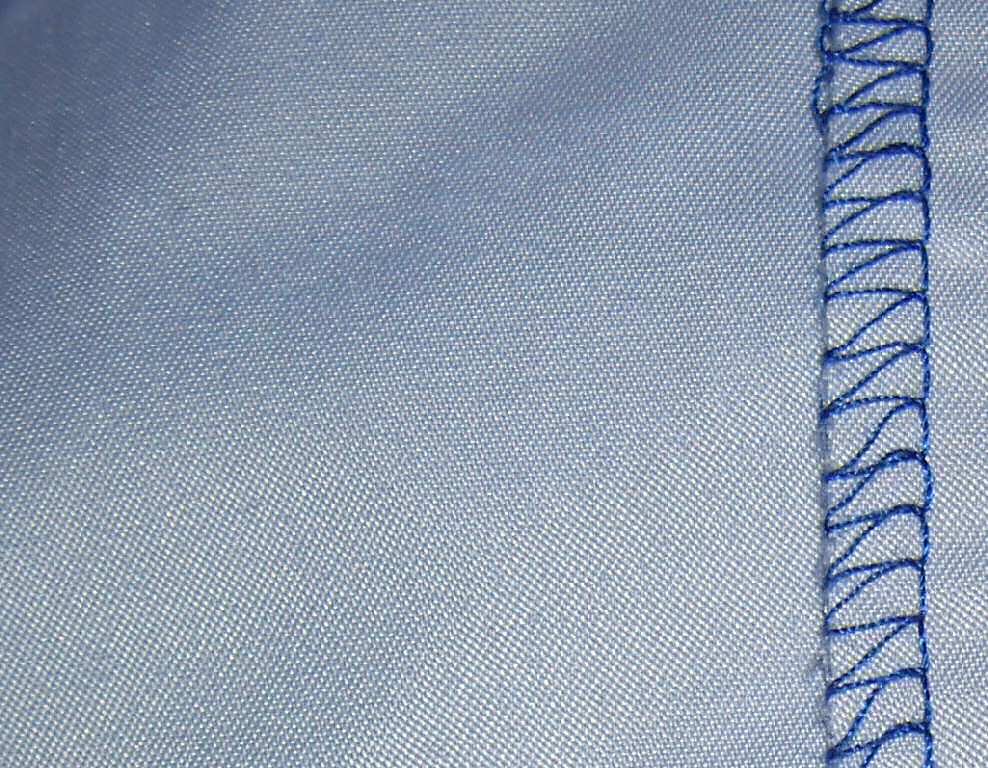
Close-up of a polyester shirt. Photo: Wikipedia
Common Uses for Polyester
Apparel: T-shirts, dresses, athletic wear, fleece jackets, underwear, socks
Activewear: Running shirts, yoga pants, sports bras, moisture-wicking gear
Outerwear: Jackets, windbreakers, raincoats, fleece layers
Home Textiles: Sheets, blankets, curtains, upholstery, carpets
Fill Material: Pillow stuffing, comforter fill, cushion inserts
Outdoor Gear: Sleeping bags, tents, backpacks, camping gear
Blends: Poly-cotton blends (50/50, 65/35), polyester-spandex blends
Is Polyester Safe? Health & Safety Recommendations
Microplastic Concerns: Polyester sheds significant amounts of microplastic fibers. Wearing polyester clothing releases microplastic fibers through friction that can be absorbed or inhaled, and single polyester garment can release 700,000+ microplastic fibers in one wash cycle. Polyester fleece is particularly problematic, shedding more fibers than smooth polyester fabrics.
Chemical Safety: Polyester production and finished fabric involve numerous chemical concerns outside of microplastic shedding. Manufacturing uses antimony trioxide (a probable carcinogen) as a catalyst - residual antimony can remain in finished fabric. Polyester is often treated with additional chemicals: formaldehyde-based wrinkle-resistant finishes, flame retardants (PBDEs and other concerning compounds), antimicrobial treatments, and dyes that may contain heavy metals or carcinogenic compounds. New polyester clothing can off-gas volatile organic compounds (VOCs), causing that characteristic "chemical smell."
Close-up of a polyester shirt. Photo: Wikipedia
Frequently Asked Questions About Polyester
Is polyester plastic?
Yes, polyester is plastic. It's a synthetic polymer made from petroleum (crude oil) through chemical processes. Polyester fabric is essentially plastic fibers woven into textile form. The same material (PET - polyethylene terephthalate) is used to make plastic bottles, making polyester clothing literally wearable plastic.
Does polyester shed microplastics?
Yes, polyester sheds significant amounts of microplastics. A single polyester garment can release 700,000+ microplastic fibers in one wash cycle. Polyester also sheds microplastics through wear and friction, increasing exposure to microplastic absorption as well as contributing to airborne microplastics that can be inhaled.
Does recycled polyester solve the microplastic problem?
No, recycled polyester (rPET) sheds microplastics identically to virgin polyester. While recycling plastic bottles into fabric diverts waste temporarily, it doesn't address the fundamental problem - polyester sheds microplastics, doesn't biodegrade, and eventually becomes waste again. In fact, recycled polyester generally sheds even more microplastics due to shorter, weaker fibers, making it a worse option for the wearer and for the environment.
Why does polyester clothing smell bad?
Polyester traps odors permanently because the plastic fibers absorb oils from sweat and bacteria, then hold onto these compounds. Unlike natural fibers (cotton, wool) that release odors when washed, polyester's plastic structure permanently binds with odor molecules. This is why polyester athletic wear often develops permanent smell even after washing. Merino wool naturally resists odors through antimicrobial properties.
What should I do with polyester clothing I already own?
Prioritize replacing your polyester garments as soon as possible to reduce microplastic exposure, especially clothing that directly contacts skin.