Linen
What is Linen?
Linen is a natural bast fiber extracted from the stem of the flax plant (Linum usitatissimum) and is known for it's strength and cooling properties, often used for clothing and bedding in hot climates. Linen fibers are highly absorbent, dry quickly, and become softer with each wash while maintaining exceptional durability and strength.
For plastic-free living, linen is an excellent durable, comfortable, and antimicrobial fabric, superior to plastic-based alternatives for most use cases.
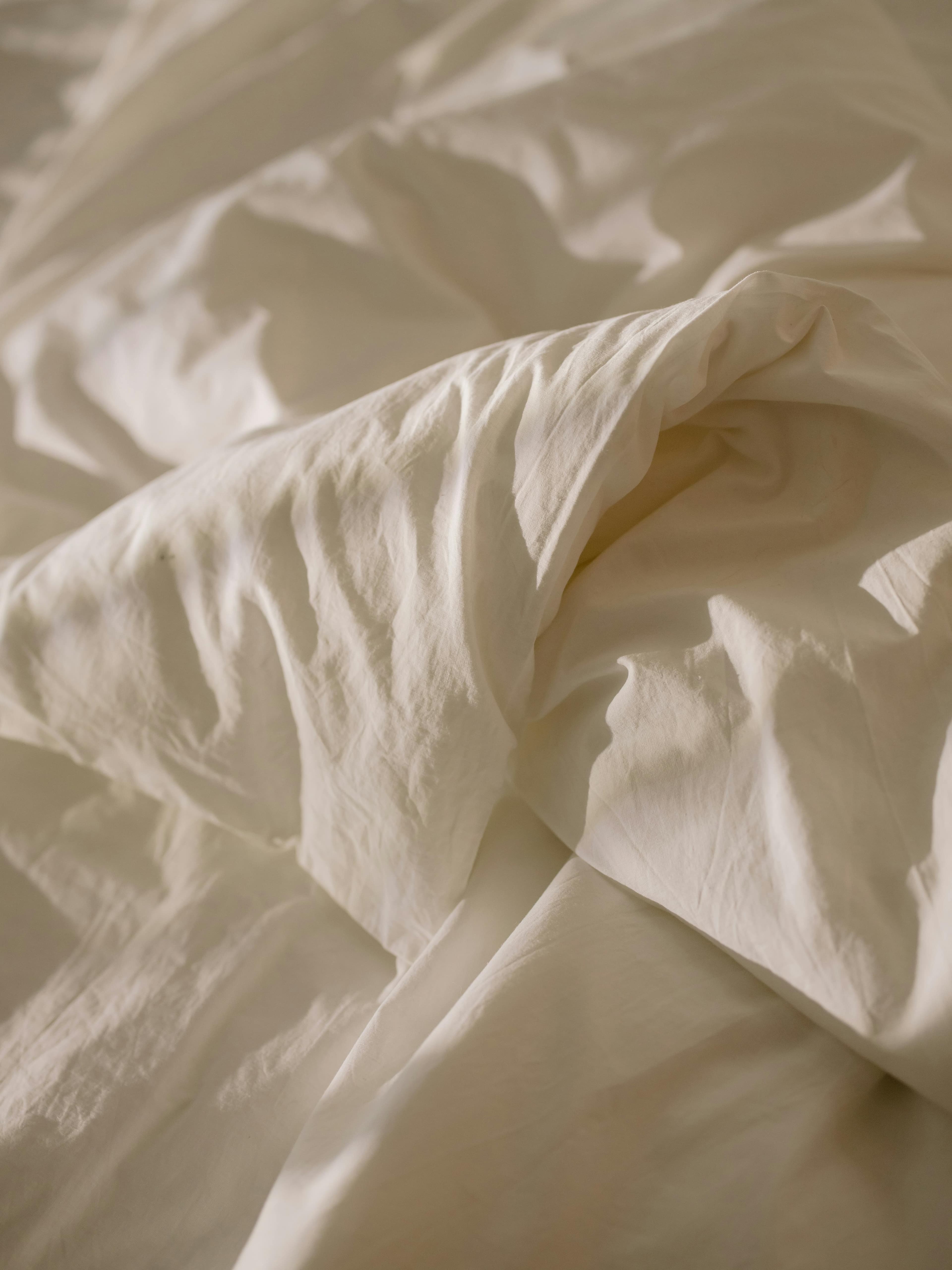
Linen sheet fabric. Photo: Pexels
Common Uses for Linen
Apparel: Shirts, pants, dresses, suits, skirts, jackets
Bedding: Sheets, pillowcases, duvet covers, blankets
Table Linens: Tablecloths, napkins, placemats, runners
Kitchen Textiles: Dish towels, tea towels, aprons, oven mitts
Bath Linens: Towels, bathrobes, washcloths
Accessories: Tote bags, summer hats, scarves
Is Linen Safe? Health & Safety Recommendations
Microplastic Concerns: Linen does not shed microplastics. As a natural plant fiber made from cellulose, linen is completely biodegradable and breaks down into organic matter without leaving persistent plastic particles. This makes linen an excellent plastic-free choice for clothing and home textiles, particularly for items washed frequently like kitchen towels and bed sheets.
Chemical Safety: Linen processing can involve chemical retting (using caustic soda to break down plant material) or traditional water retting (allowing bacteria to naturally break down the stems). Linen may also be bleached or treated with chemical finishes for wrinkle resistance, though many manufacturers offer untreated linen. Organic linen ensures the flax was grown without synthetic pesticides, though flax naturally requires fewer pesticides than cotton even when conventionally grown.
Certifications to Look For: GOTS (Global Organic Textile Standard) ensures organic farming and chemical-free processing. OEKO-TEX Standard 100 certifies no harmful substances in the final fabric. European Flax certification guarantees flax grown in Europe (primarily France, Belgium, Netherlands) with high environmental standards. Masters of Linen certification verifies European origin and quality standards.
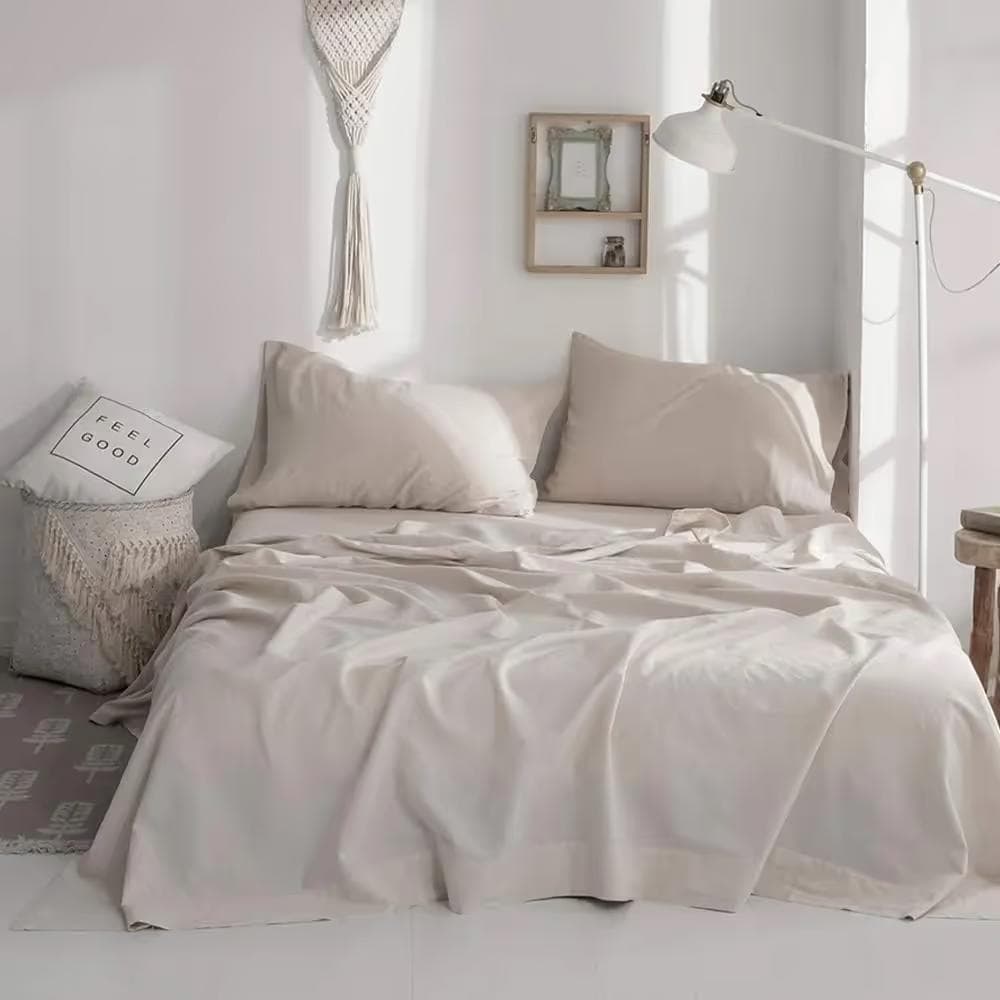
Linen sheet fabric. Photo: Pexels

Frequently Asked Questions About Linen
Is linen plastic-free?
Yes, linen is completely plastic-free. It's a natural plant fiber made from cellulose extracted from flax plant stems. Linen contains no petroleum-based materials and is fully biodegradable, making it one of the most environmentally friendly textile options available.
Does linen shed microplastics?
No, linen does not shed microplastics. As a natural fiber, any particles released during washing are biodegradable plant cellulose that breaks down into organic matter.