Cotton
What is Cotton?
Cotton is a natural fiber composed primarily of cellulose, harvested from the seedpod of plants in the Gossypium genus. The fiber is soft, breathable, and highly absorbent, making it suitable for direct skin contact and repeated washing. Unlike synthetic alternatives, cotton is biodegradable and does not shed microplastics during laundering.
For plastic-free living, cotton is one of the safest choices for clothing and bedding. Organic cotton goes even further by eliminating synthetic pesticides used in conventional farming. While cotton requires more water than some alternatives like hemp or linen, its durability, comfort, and lack of microplastic shedding make it a cornerstone material for reducing plastic exposure in everyday life.
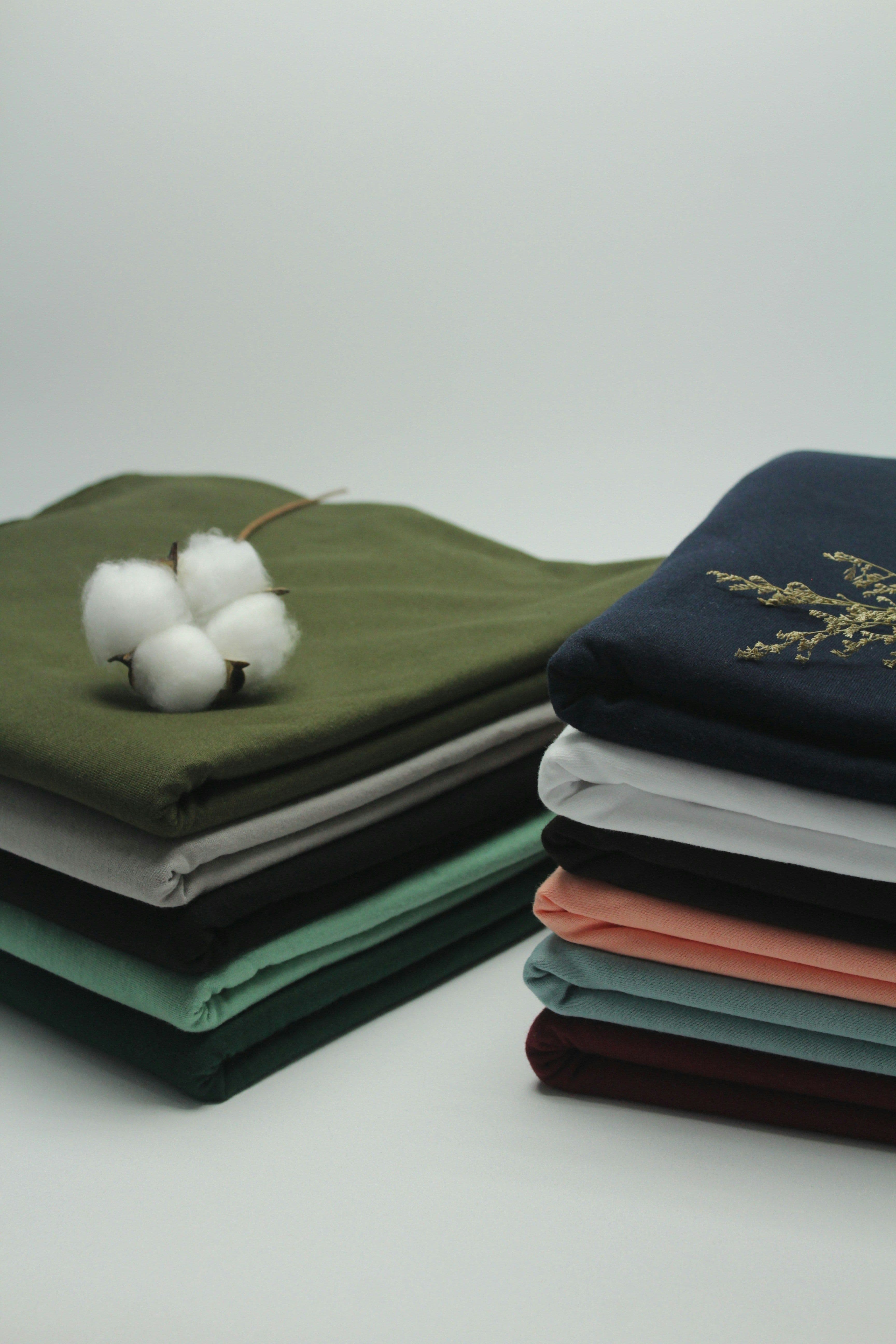
Raw cotton on assorted cotton fabrics. Photo: Unsplash
Types of Cotton
Upcycled Cotton
Recycled cotton made from textile waste, reducing water use while staying plastic-free.
Organic Cotton
Chemical-free cotton grown without synthetic pesticides, safer for skin and the environment.
Other Common Names & Types of Cotton
Cotton appears under many names in product descriptions:
Jersey cotton - Knit fabric with stretch (still 100% cotton)
Brushed cotton - Soft, fuzzy finish created by brushing the fabric surface
Cotton fleece - Thick, warm knit fabric (not to be confused with polyester fleece)
Pima cotton - Long-staple variety known for extra softness
Egyptian cotton - High-quality long-staple cotton traditionally from Egypt
Supima cotton - American-grown premium long-staple cotton
Cotton terry - Looped fabric used for towels and robes
Cotton flannel - Brushed fabric, typically woven in plaid patterns
Cotton canvas - Heavy-duty plain weave for bags and shoes
Organic cotton - Grown without synthetic pesticides or GMO seeds
Common Uses for Cotton
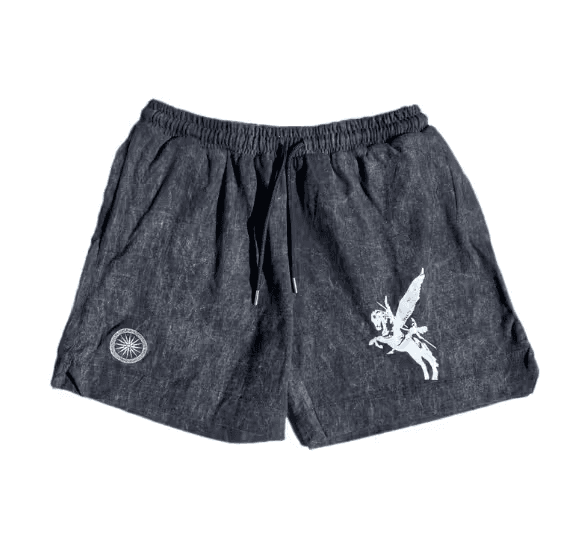
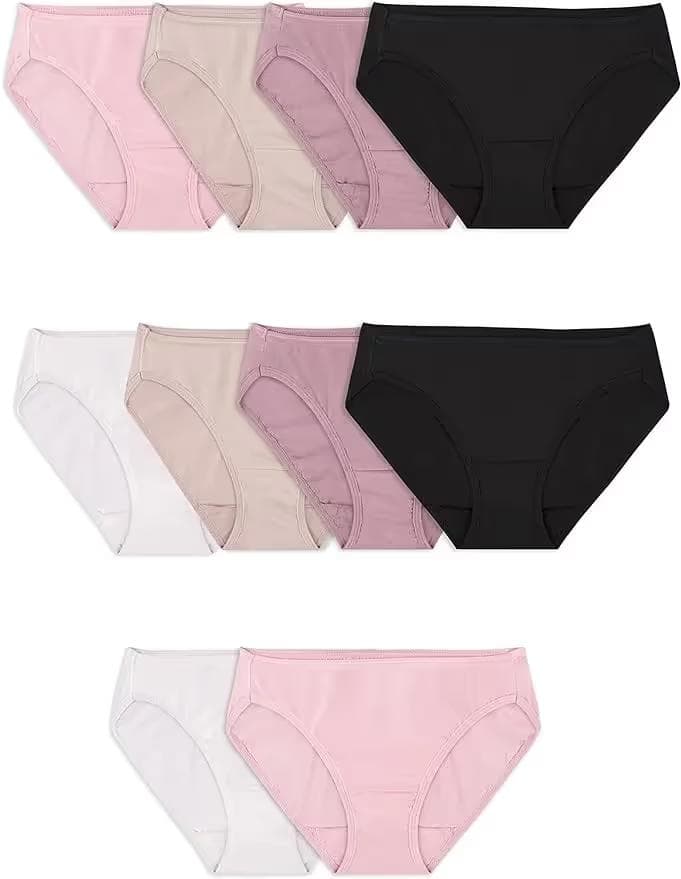
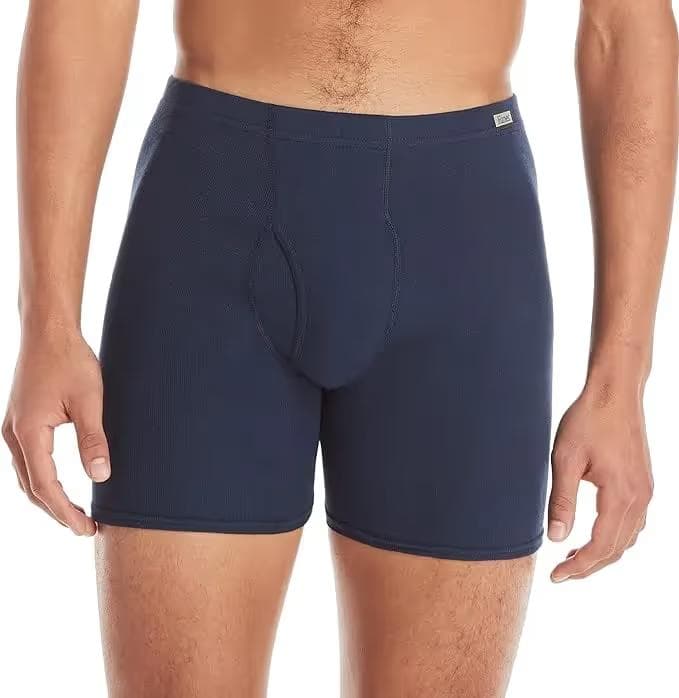
Apparel: T-shirts, jeans, underwear, dresses, socks, pajamas, hoodies
Bedding: Sheets, pillowcases, blankets, duvet covers, mattress protectors
Home Textiles: Towels, curtains, rugs, tablecloths
Baby Products: Onesies, swaddles, cloth diapers, bibs
Accessories: Tote bags, canvas shoes, reusable produce bags
Is Cotton Safe? Health & Safety Recommendations
Microplastic Concerns: Cotton does not shed microplastics. As a natural cellulose fiber, cotton is completely biodegradable and breaks down into organic matter rather than persistent plastic particles. This makes it one of the safest choices for reducing microplastic exposure in clothing and bedding.
Chemical Safety: Conventional cotton may contain pesticide residues from farming, as cotton production uses approximately 16% of the world's pesticides despite occupying only 2.5% of agricultural land. Additionally, cotton fabrics may be treated with formaldehyde-based wrinkle-free finishes or chlorine bleach. Organic cotton eliminates these concerns by using only natural pest management and avoiding harsh chemical treatments.
Certifications to Look For: GOTS (Global Organic Textile Standard) ensures both organic farming and chemical-free processing. OEKO-TEX Standard 100 certifies that the final fabric is free from harmful substances. Fair Trade certification ensures ethical production practices.
Recommendations: Choose organic cotton for items with prolonged skin contact like underwear, bedding, and baby products. For general clothing, conventional cotton is still far superior to synthetic alternatives in terms of microplastic exposure.
Raw cotton on assorted cotton fabrics. Photo: Unsplash










Frequently Asked Questions About Cotton
Is cotton plastic-free?
Does cotton shed microplastics?
No, cotton does not shed microplastics. When cotton fibers are released during wear and washing, they biodegrade naturally without contributing to microplastic exposure or pollution in waterways or the food chain.
Is cotton biodegradable?
Yes, cotton is biodegradable. Pure cotton fabric will decompose naturally in 1-5 months under proper composting conditions. This is a significant advantage over synthetic fabrics like polyester, which can take 200+ years to break down and leave behind microplastic pollution.
What certifications should I look for when buying cotton products?
Look for GOTS (Global Organic Textile Standard) for organic cotton with chemical-free processing, OEKO-TEX Standard 100 to ensure no harmful substances in the final fabric, and Fair Trade certification for ethical production. GOTS is the most comprehensive, covering both organic farming and safe processing practices.
What's the difference between organic and conventional cotton?
Organic cotton is grown without synthetic pesticides, herbicides, or GMO seeds, using natural farming methods that protect soil health and water quality. Conventional cotton accounts for about 16% of global pesticide use despite occupying only 2.5% of agricultural land. Organic cotton is safer for farmers, the environment, and consumers, as it eliminates pesticide residue concerns and often avoids harsh chemical treatments in processing.
How do I care for cotton products?
Cotton is easy to care for and becomes softer with each wash. Machine wash in cold or warm water to save energy and prevent shrinkage. Tumble dry on low or line dry to extend fabric life. Avoid high heat, which can cause shrinkage and weaken fibers over time. For organic cotton, use plant-based detergents to maintain the plastic-free benefits.
Is cotton hypoallergenic?
Cotton is naturally hypoallergenic for most people, as it doesn't contain the chemical additives and synthetic materials that commonly trigger skin reactions. However, conventional cotton may retain small amounts of pesticides or processing chemicals. For those with severe sensitivities or allergies, organic cotton with GOTS or OEKO-TEX certification is the safest choice.