Organic Cotton
What is Organic Cotton?
Organic cotton is chemically identical to regular cotton but grown without synthetic pesticides, herbicides, or genetically modified seeds, using farming methods that prioritize soil health, water conservation, and biodiversity. Certified by standards such as GOTS (Global Organic Textile Standard) or USDA Organic, organic cotton farming began gaining traction in the 1990s as an alternative to conventional cotton's heavy chemical use.
For those seeking to minimize both microplastic and chemical exposure, organic cotton represents the gold standard in natural textiles.
Common Uses for Organic Cotton
Organic cotton is used across multiple categories:
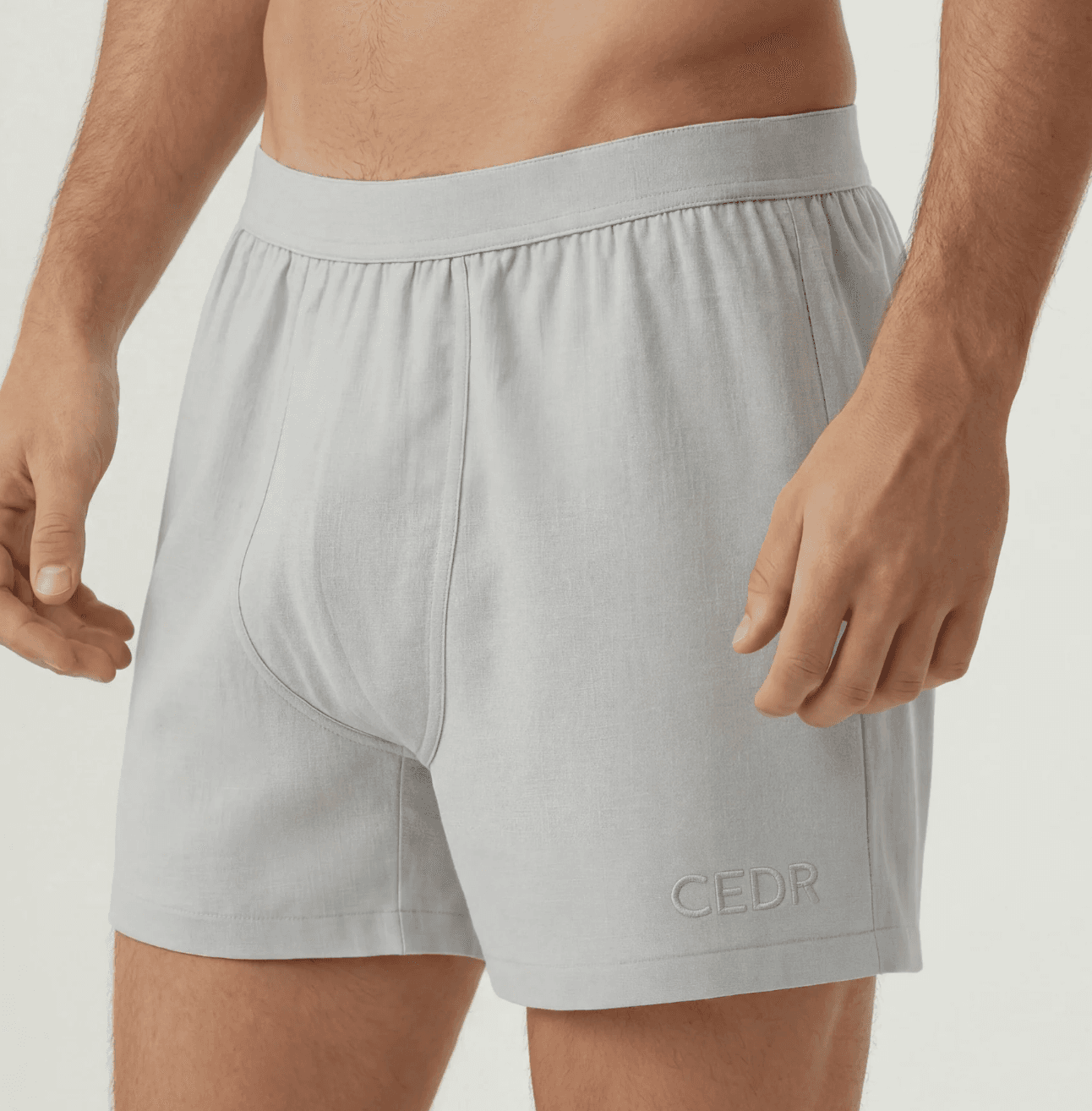
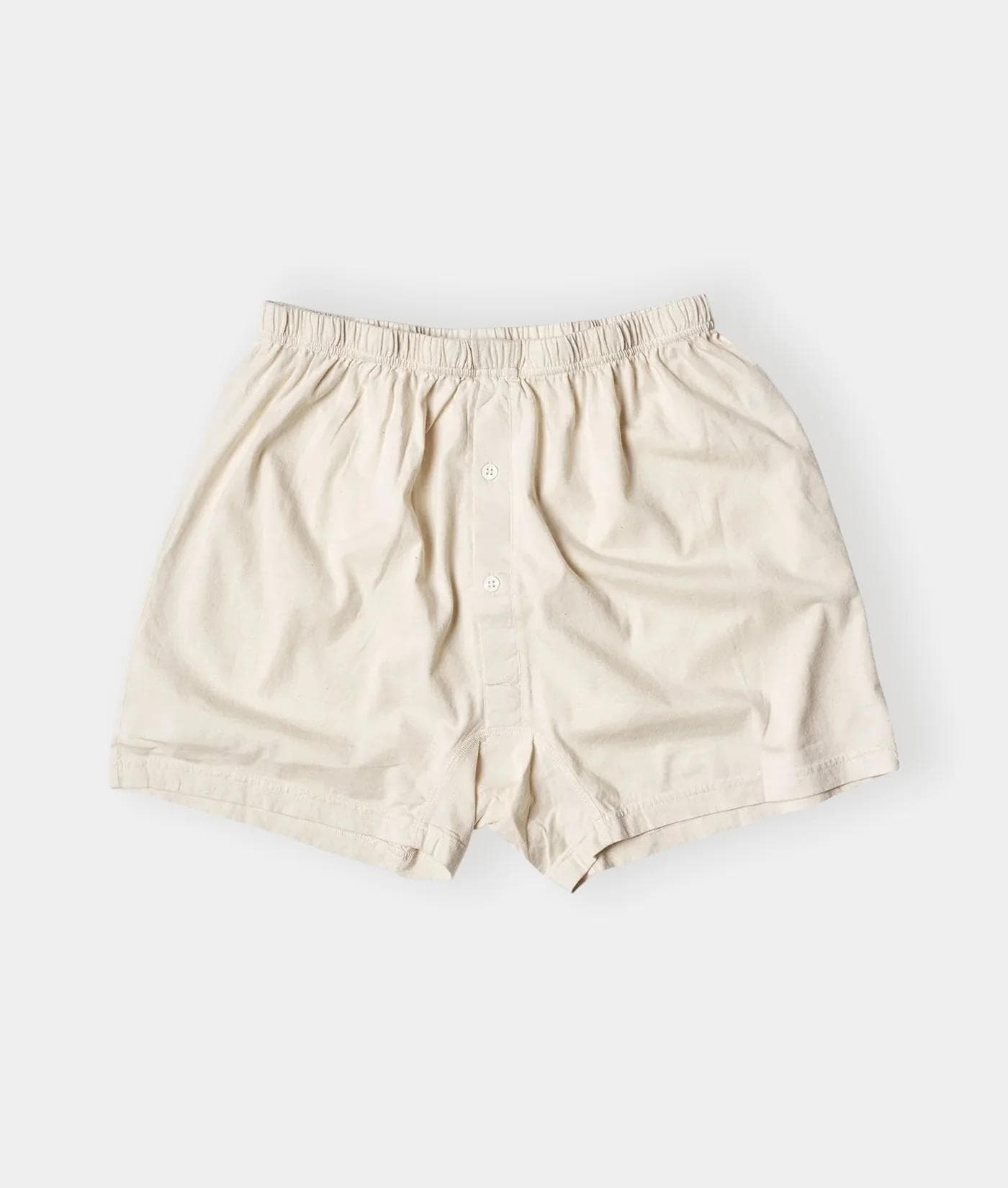
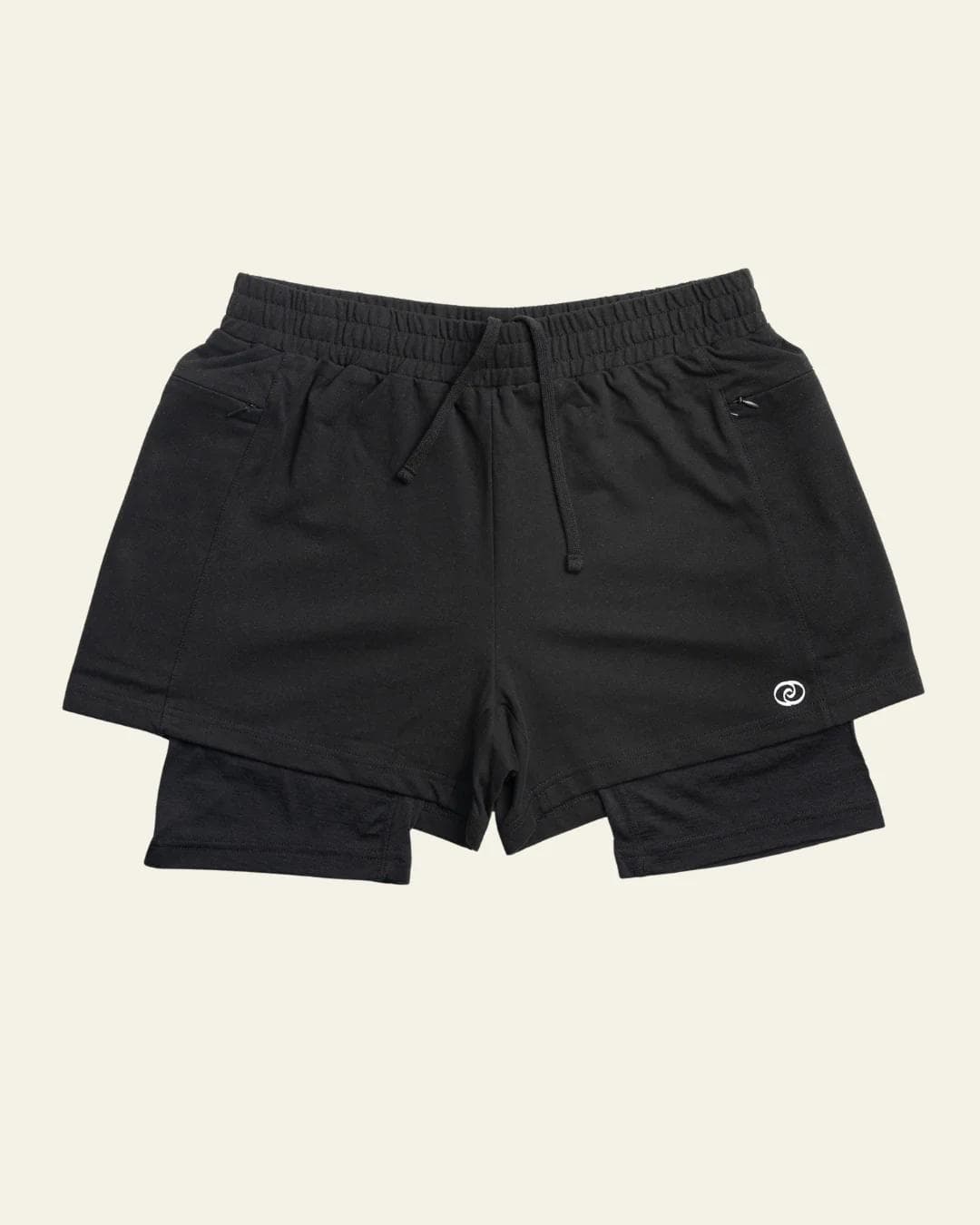
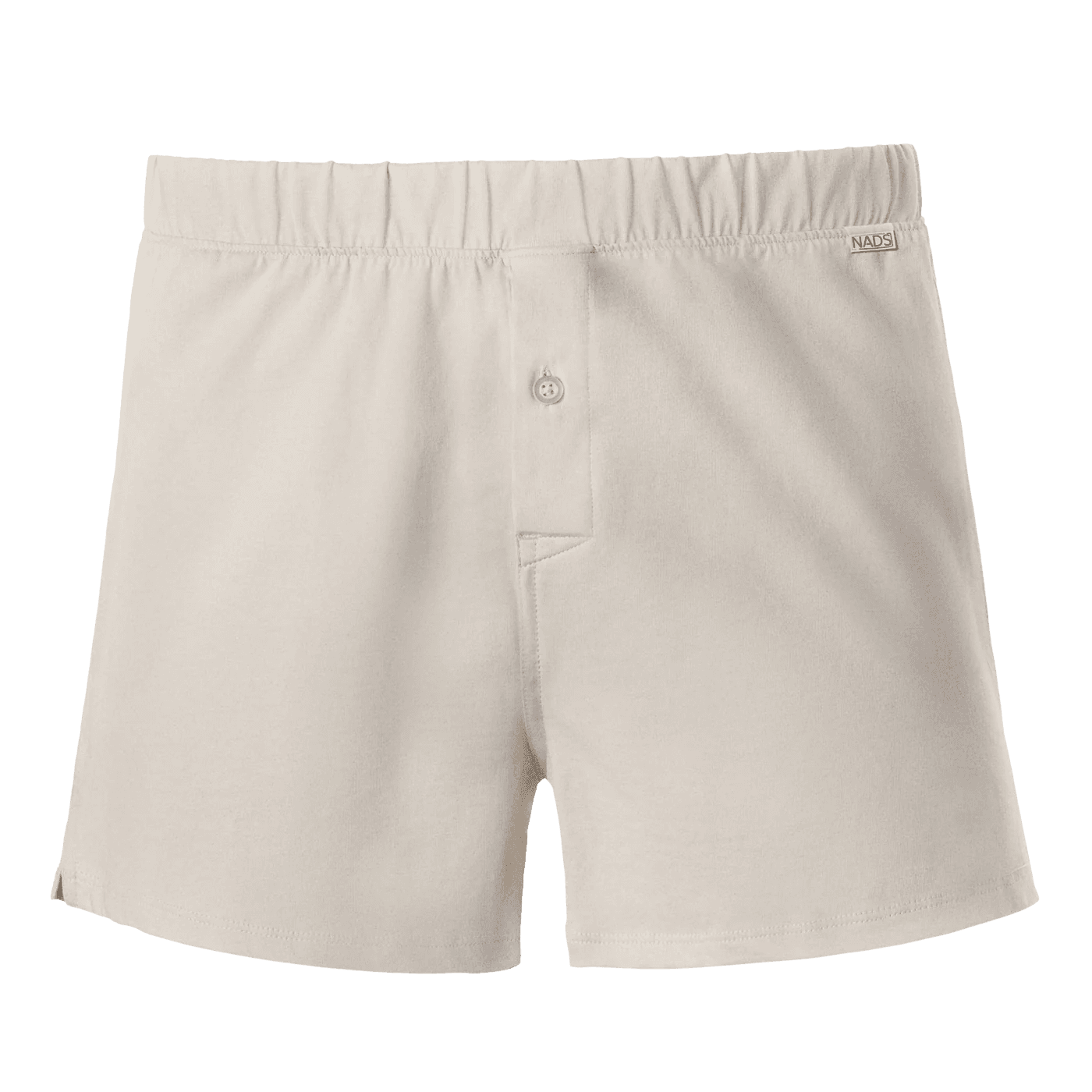
Apparel: T-shirts, underwear, baby clothes, pajamas, socks, base layers
Bedding: Sheets, pillowcases, blankets, duvet covers, mattress protectors
Home Textiles: Towels, washcloths, kitchen towels, cloth napkins
Baby Products: Onesies, swaddles, cloth diapers, bibs, burp cloths
Accessories: Reusable cotton rounds, tote bags, produce bags, nursing pads
Is Organic Cotton Safe? Health & Safety Recommendations
Microplastic Concerns: Organic cotton does not shed microplastics. Like conventional cotton, it's a natural cellulose fiber that biodegrades into organic matter without leaving persistent plastic particles.
Chemical Safety: Organic cotton is one of the safest textile materials available. GOTS certification requires that the entire supply chain - from farming to processing to dyeing - avoids toxic chemicals. No synthetic pesticides touch the plants during growth, and processing prohibits formaldehyde finishes, chlorine bleach, and heavy metal dyes.
Certifications to Look For: GOTS (Global Organic Textile Standard) is the most comprehensive certification, covering both organic farming and chemical-free processing. USDA Organic certifies the farming practices, while GOTS extends to manufacturing. OEKO-TEX certification can complement GOTS by testing the final product for harmful substances.
Recommendations: When possible, choose organic cotton for all items with prolonged skin contact - underwear, bras, base layers, bedding, and especially baby products.







Frequently Asked Questions About Organic Cotton
Is organic cotton plastic-free?
Yes, organic cotton is completely plastic-free. Like conventional cotton, it's a natural plant fiber made from cellulose.
Does organic cotton shed microplastics?
No, organic cotton does not shed microplastics. When organic cotton fibers are released during washing, they biodegrade naturally without contributing to microplastic pollution.
Is organic cotton biodegradable?
Yes, organic cotton is biodegradable. It decomposes naturally in 1-5 months under proper composting conditions.
What does GOTS certification mean?
GOTS (Global Organic Textile Standard) is the most comprehensive organic textile certification. It requires that at least 95% of fibers are certified organic, prohibits toxic chemicals throughout processing (no formaldehyde, chlorine bleach, heavy metals, or harmful dyes), ensures safe working conditions for textile workers, and maintains traceability from farm to finished product. GOTS is more rigorous than USDA Organic alone because it covers the entire supply chain, not just farming.
Does organic cotton feel different from conventional cotton?
No, organic cotton feels identical to conventional cotton because it's the same plant fiber, although consumers with chemical sensitivities might report less irritation.