Hemp
What is Hemp?
Hemp is a natural bast fiber derived from the stem of the Cannabis sativa plant, but despite its association with marijuana, industrial hemp contains negligible THC can be grown for use as a fiber and fabric. Hemp fiber is exceptionally strong and durable, naturally resistant to mold and UV light, and becomes softer with each wash while maintaining its structural integrity. The crop is remarkably sustainable, requiring minimal water (about 1/20th that of cotton), growing rapidly without pesticides or herbicides, improving soil health through deep roots that prevent erosion, and yielding 2-3 times more fiber per acre than cotton.
For plastic-free living, hemp offers one of the most sustainable natural fiber options available. Hemp fabric is naturally antimicrobial and resistant to mold, making it ideal for items like towels, bedding, and athletic wear where bacterial growth can be problematic. While hemp fabric was historically coarse, modern processing creates soft, comfortable textiles comparable to linen or cotton.
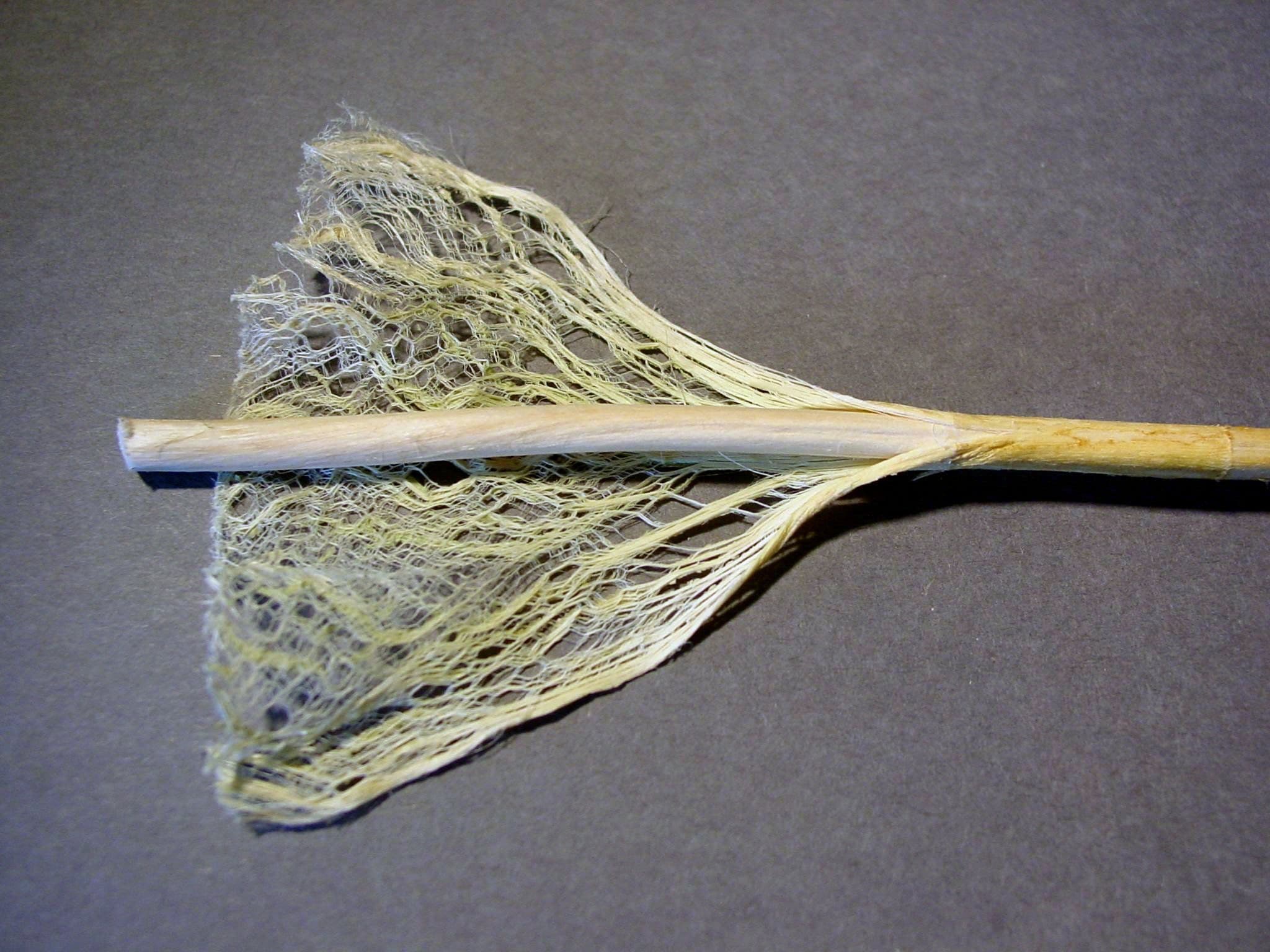
Hemp stem showing fibers. Photo: Wikipedia
Common Uses for Hemp
Apparel: Shirts, t-shirts, pants, dresses, jackets, jeans, activewear
Home Textiles: Towels, bed sheets, blankets, curtains, tablecloths
Bags & Accessories: Backpacks, tote bags, wallets, belts, hats, shoes
Industrial: Rope, twine, canvas, tarps, webbing, straps
Is Hemp Safe? Health & Safety Recommendations
Microplastic Concerns: Hemp does not shed microplastics. As a natural plant fiber made from cellulose, hemp is completely biodegradable and breaks down into organic matter without leaving persistent plastic particles. This makes hemp clothing, towels, and textiles far superior to synthetic alternatives that shed microplastics during washing and wear.
Chemical Safety: Hemp cultivation typically requires no pesticides or herbicides due to the plant's natural pest resistance and fast growth that outcompetes weeds. This makes conventionally grown hemp cleaner than conventional cotton even without organic certification. Hemp fiber processing can involve mechanical processing (similar to linen, minimal chemicals) or chemical retting using enzymes or mild chemicals.
Certifications to Look For: GOTS (Global Organic Textile Standard) ensures organic cultivation and chemical-free processing. OEKO-TEX Standard 100 certifies no harmful substances in final fabric. Organic certification (USDA, EU Organic) verifies pesticide-free cultivation. Hemp is rarely certified organic despite clean cultivation because many farmers can't afford certification costs, so lack of organic certification doesn't necessarily mean hemp was grown with chemicals.
Recommendations: Choose hemp for items requiring durability - bags, workwear, outdoor gear - where hemp's exceptional strength provides long-term value without compromising safety like plastic-based fabrics.
Hemp stem showing fibers. Photo: Wikipedia

Frequently Asked Questions About Hemp
Is hemp plastic-free?
Yes, hemp is completely plastic-free. It's a natural plant fiber extracted from Cannabis sativa stems, containing no petroleum-based materials.
Does hemp shed microplastics?
No, hemp does not shed microplastics. As a natural cellulose fiber, any particles released during washing are biodegradable plant matter that breaks down into organic compounds.
Is hemp biodegradable?
Yes, hemp is fully biodegradable. Pure hemp fabric decomposes naturally in 2-6 months under proper composting conditions, breaking down into nutrient-rich organic matter.
Why is hemp more expensive than cotton?
Hemp costs more due to limited processing infrastructure. Cotton has centuries of established farming, ginning, and textile manufacturing infrastructure, while hemp textile production declined during the 20th century and is only recently recovering. Hemp requires specialized processing equipment to separate fibers from stalks. Additionally, hemp yields are currently lower than cotton in most regions due to less optimized cultivation practices. However, hemp's exceptional durability means products last 2-3x longer than cotton, making the cost-per-wear comparable or better despite higher initial prices.
Does hemp fabric soften over time?
Yes, hemp fabric softens significantly with washing and wear, similar to linen. New hemp can feel stiff or crisp, but it becomes progressively softer and more comfortable with each wash cycle while maintaining its strength. This is opposite to cotton, which is softest when new and gradually weakens. Hemp's ability to soften without losing durability is one of its most appreciated qualities.
Can hemp fabric be used for activewear?
Yes, hemp is excellent for activewear and athletic clothing. Hemp naturally wicks moisture, resists odor-causing bacteria (can be worn multiple times between washes like merino wool), doesn't trap heat like polyester, and provides UV protection. Hemp's antimicrobial properties prevent the permanent smell that develops in synthetic activewear.
Is hemp itchy or scratchy?
New hemp can feel textured or slightly rough, similar to linen, but it's not typically "itchy" in the way that wool can be for sensitive skin. Hemp softens dramatically with washing, and most people find it comfortable even when new. Hemp-cotton blends (55% hemp, 45% cotton) provide immediate softness for those who prefer softer fabric from the start.