Polyethylene Terephthalate (PET)
What is Polyethylene Terephthalate (PET)?
Polyethylene Terephthalate (PET or PETE) is a thermoplastic polymer made from petroleum through chemical reactions combining ethylene glycol and terephthalic acid (the same material as polyester fabric) and is the most commonly used plastic for beverage bottles globally. PET is valued for its lightweight, clarity, strength, and barrier properties that prevent gas and moisture transfer, making it ideal for carbonated beverages, but it sheds microplastics into beverages, can leach chemicals (especially with heat, sunlight, or reuse).
For those seeking plastic-free living, PET is a material that needs to be avoided as much as possible, especially as a food and liquid packaging material. Natural alternatives like glass bottles, stainless steel containers, and properly filtered water eliminate the health concerns and environmental impact of disposable PET bottles.
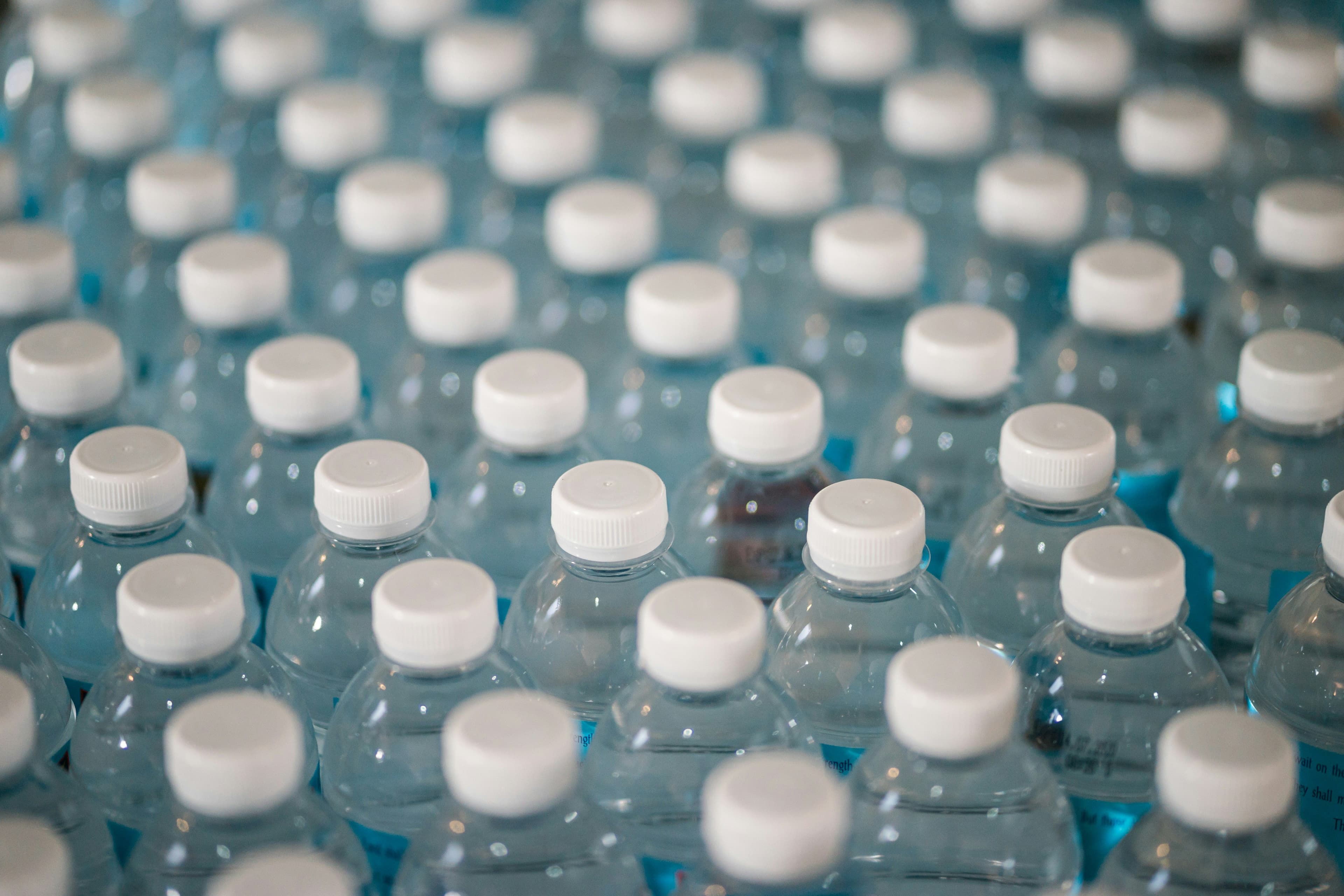
Plastic water bottles made from PET. Photo: Unsplash
Common Uses for Polyethylene Terephthalate (PET)
Beverage Bottles: Water bottles, soda bottles, juice bottles, sports drink bottles, iced tea bottles
Food Containers: Peanut butter jars, salad dressing bottles, cooking oil bottles, condiment bottles
Personal Care: Mouthwash bottles, hand sanitizer bottles, shampoo bottles (less common than HDPE)
Medicine: Pill bottles, liquid medicine bottles
Food Packaging: Produce containers, bakery containers, deli containers, food trays
Textiles: Polyester fabric (same material as bottles), carpet fibers, clothing
Recycled Applications: Fleece clothing, carpet, bags, industrial fiber (from recycled bottles)
Is Polyethylene Terephthalate (PET) Safe? Health & Safety Recommendations
Microplastic Concerns: PET, particularly in water bottles, shed significant amounts of microplastics into the beverages they contain. Microplastic shedding increases with heat exposure, sunlight, bottle age, and physical agitation (shaking, squeezing). People who drink primarily from plastic bottles consume tens of thousands more microplastic particles annually than those who opt for plastic-free bottle alternatives and properly filtered water sources.
Chemical Safety: Other than microplastic shedding, PET can leach antimony (a toxic heavy metal used as a catalyst in manufacturing), acetaldehyde (gives plastic taste/smell), and various plasticizers and additives. Chemical leaching increases dramatically with heat - bottles left in hot cars, stored in sun, or used with hot liquids leach significantly more chemicals. PET bottles are designed for single use only - reusing PET bottles increases chemical leaching and bacterial contamination as the plastic degrades with washing and wear. Carbonated beverages in PET may accelerate chemical leaching due to acidity.
Plastic water bottles made from PET. Photo: Unsplash

Frequently Asked Questions About Polyethylene Terephthalate (PET)
Is PET plastic?
Yes, PET (Polyethylene Terephthalate) is plastic. It's a petroleum-based synthetic polymer, the same material as polyester fabric.
Does PET shed microplastics?
Yes, PET bottles shed significant amounts of microplastics into the beverages they contain. Microplastic shedding increases with heat, sunlight, bottle age, and physical agitation.