Merino Wool
What is Merino Wool?
Merino wool is a fine, soft fiber sourced from Merino sheep, a breed that originated in Spain during the 12th century and is now primarily raised in Australia and New Zealand. Merino fibers are significantly finer than standard wool (typically 15-24 microns in diameter compared to 25-35+ microns for regular wool), making them less itchy and suitable for direct skin contact. The fiber excels at temperature regulation, naturally resists odors, and has superior moisture management compared to conventional wool, making it the premium choice for performance base layers, activewear, and next-to-skin garments.
For plastic-free living, merino wool often outperforms synthetic athletic wear and base layers without any microplastic shedding, making it invaluable for athletes, outdoor enthusiasts, and travelers seeking plastic-free alternatives to technical synthetic fabrics.
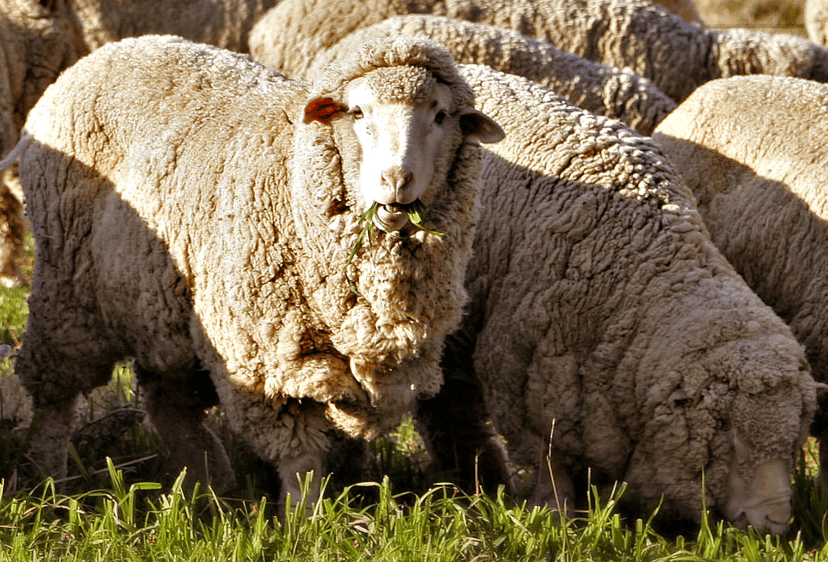
Merino sheep with fully grown coats. Photo: Wikipedia
Common Uses for Merino Wool
Base Layers: Thermal underwear, long johns, tank tops, long-sleeve shirts
Activewear: Running shirts, yoga wear, cycling jerseys, hiking pants
Everyday Apparel: T-shirts, underwear, socks, leggings, casual wear
Outerwear: Sweaters, hoodies, zip-ups, vests
Outdoor Gear: Hiking socks, ski base layers, trail running shirts, camping layers
Accessories: Beanies, headbands, gloves, neck gaiters, buffs
Is Merino Wool Safe? Health & Safety Recommendations
Microplastic Concerns: Merino wool does not shed microplastics. Like all wool, merino is a natural protein fiber that biodegrades into organic matter. This is especially significant for activewear and base layers, where synthetic alternatives (polyester, nylon) shed enormous quantities of microplastic fibers during the repeated washing required by sweaty athletic use.
Chemical Safety: Conventional merino may be treated with chlorine-polymer "Superwash" processing to make it machine-washable and shrink-resistant. This treatment involves harsh chlorine and a plastic resin coating that reduces biodegradability and can irritate sensitive skin. Additionally, merino may be treated with synthetic moth-proofing chemicals.
Certifications to Look For: ZQ Merino certifies animal welfare, environmental practices, and fiber quality. GOTS (Global Organic Textile Standard) ensures organic farming and chemical-free processing. Responsible Wool Standard (RWS) covers animal welfare and land management. Mulesing-free certifications ensure no mulesing practice was used.
Merino sheep with fully grown coats. Photo: Wikipedia





Frequently Asked Questions About Merino Wool
Is merino wool plastic-free?
Yes, merino wool is completely plastic-free. It's a natural protein fiber from Merino sheep fleece, containing no petroleum-based materials.
Does merino wool shed microplastics?
No, merino wool does not shed microplastics. Any fibers released during washing are natural, biodegradable proteins that break down into organic matter. This is especially important for activewear that's washed frequently - synthetic performance fabrics shed hundreds of thousands of microplastic fibers per wash, while merino releases none.
Why isn't merino wool itchy like regular wool?
Merino wool fibers are much finer (15-24 microns) than regular wool (25-35+ microns). When fiber diameter is below about 24 microns, most people don't perceive it as itchy or scratchy. The finest merino (under 19 microns) feels as soft as cotton or silk against skin. This makes merino suitable for base layers and underwear where regular wool would be uncomfortable.
What's the difference between merino and regular wool?
Merino wool softer and less itchy than most sheep wools, making it more suitable for wearing against skin. Regular wool is typically better for outer layers like sweaters and rugs where its durability is advantageous.