Silk
What is Silk?
Silk is a natural protein fiber produced by silkworms, primarily the domesticated Bombyx mori species, during their cocoon-spinning stage. Silk fibers are exceptionally smooth, strong for their weight, and possess a natural luster that gives fabric a distinctive sheen. The material is breathable, hypoallergenic, biodegradable, and does not shed microplastics, though it requires delicate care and is sensitive to prolonged sun exposure and high heat.
For plastic-free living, silk offers luxury performance properties that synthetic "silk-like" fabrics attempt to replicate but never truly match.
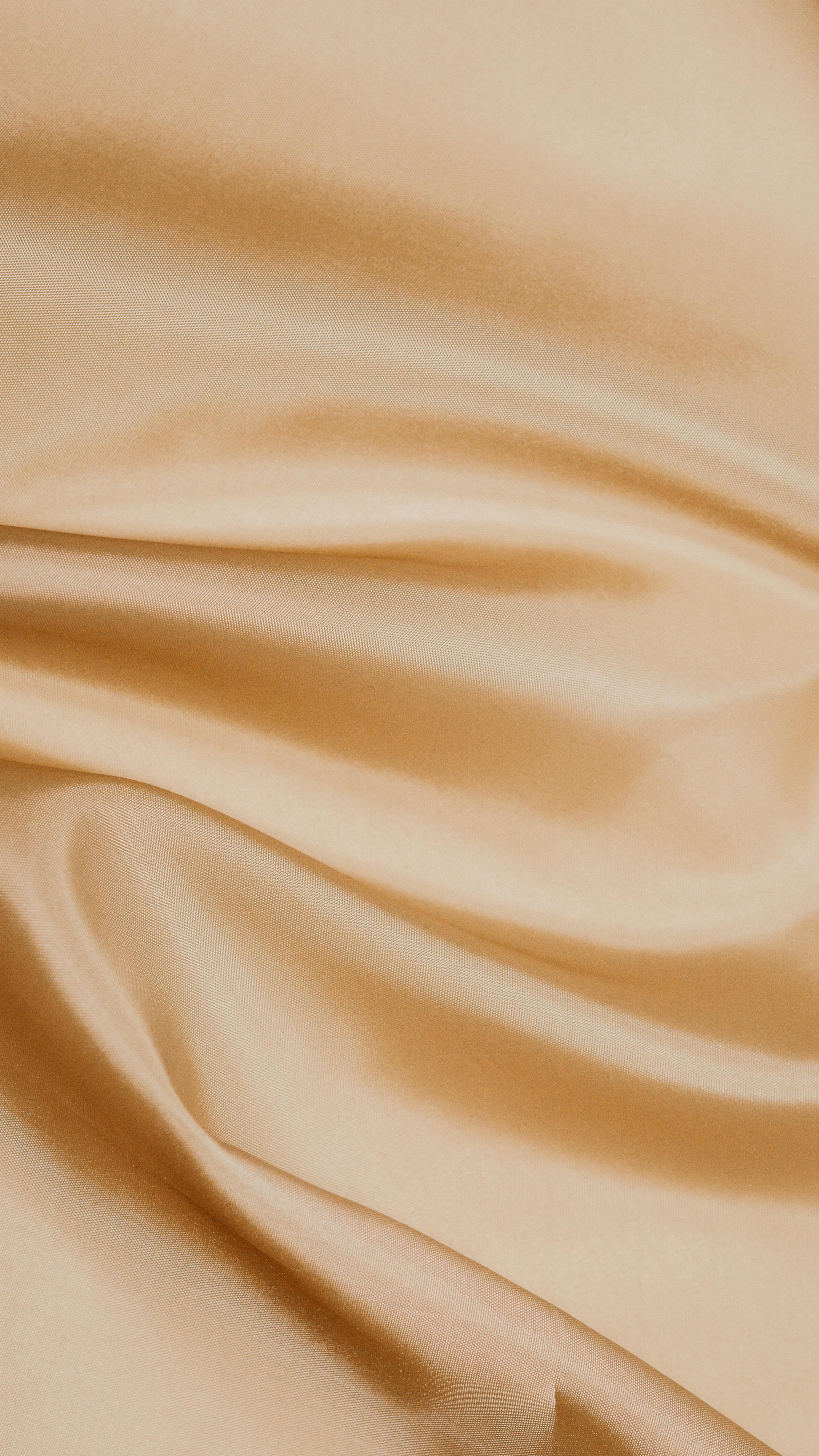
Dyed silk cloth. Photo: Pexels
Common Uses for Silk
Apparel: Blouses, dresses, shirts, skirts, lingerie, ties
Sleepwear: Pajamas, nightgowns, robes, sleep sets
Bedding: Pillowcases, sheets, duvet covers (luxury market)
Accessories: Scarves, pocket squares, hair scrunchies, eye masks
Undergarments: Slips, camisoles, underwear, bras
Is Silk Safe? Health & Safety Recommendations
Microplastic Concerns: Silk does not shed microplastics. As a natural protein fiber produced by silkworms, silk is completely biodegradable and breaks down into organic matter without leaving persistent plastic particles. This makes silk a safe alternative to synthetic "satin" fabrics (typically polyester) that shed microplastics while attempting to mimic silk's smooth texture.
Chemical Safety: Silk processing involves degumming (removing sericin, the natural gum coating) which can use harsh alkalis or acids, though natural methods using soap and enzymes are also available. Conventional silk may be treated with chemical finishes for weight, stiffness, or luster enhancement. Weighted silk (treated with metallic salts to add body) can degrade faster and may contain concerning additives. Organic silk or Peace Silk ensures gentler processing and avoids harmful chemicals. Some silk is bleached or dyed with synthetic dyes that can contain heavy metals.
Certifications to Look For: GOTS (Global Organic Textile Standard) ensures organic sericulture and chemical-free processing. OEKO-TEX Standard 100 certifies no harmful substances in the final fabric. Peace Silk (Ahimsa Silk) certification ensures silkworms are allowed to emerge from cocoons before harvesting, addressing ethical concerns.
Dyed silk cloth. Photo: Pexels

Frequently Asked Questions About Silk
Is silk plastic-free?
Yes, silk is completely plastic-free. It's a natural protein fiber produced by silkworms, composed primarily of fibroin protein. Silk contains no petroleum-based materials and is fully biodegradable, making it a genuine natural alternative to synthetic "satin" fabrics (which are typically polyester).
Does silk shed microplastics?
No, silk does not shed microplastics. As a natural protein fiber, any particles released during washing are biodegradable proteins that break down into organic matter.