Natural Rubber
What is Natural Rubber?
Natural rubber, also called natural latex, is an elastic material derived from the milky sap (latex) of the rubber tree (Hevea brasiliensis) which is composed of polymers of isoprene, a natural hydrocarbon, making it completely biodegradable and renewable. The material is highly elastic, water-resistant, durable, and does not shed microplastics, all while being sustainable.
For plastic-free living, natural rubber provides an essential alternative to synthetic rubber (made from petroleum) and semi-synthetic alternatives (silicone).
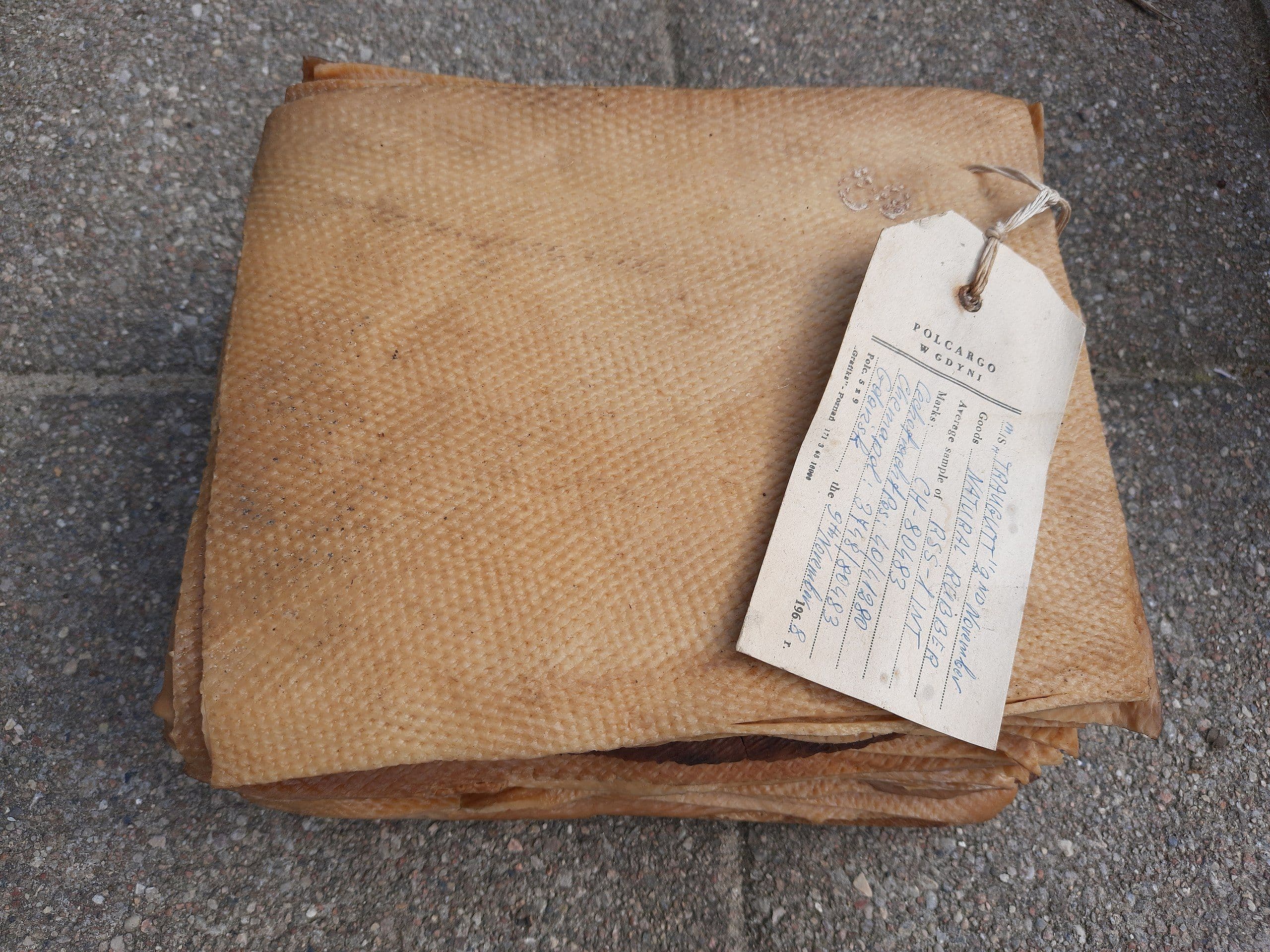
Sheets of natural rubber. Photo: Wikipedia
Common Uses for Natural Rubber
Baby Products: Pacifiers, teething toys, bath toys, bottle nipples, teething rings
Footwear: Rain boots, Wellington boots, shoe soles, sandals, flip-flops
Household: Rubber bands, jar grippers, bath mats, sink mats, door stops
Yoga & Fitness: Yoga mats, resistance bands, exercise balls, grip accessories
Kitchen: Pot holders, trivets, jar openers, sink strainers
Outdoor: Garden hoses (inner lining), waterproof gear, camping mats
Is Natural Rubber Safe? Health & Safety Recommendations
Microplastic Concerns: Natural rubber does not shed microplastics. It's made from natural latex (tree sap) and biodegrades into organic compounds rather than persistent plastic particles. This makes natural rubber products far superior to synthetic rubber or plastic alternatives that shed microplastics during use.
Chemical Safety: Pure natural rubber is safe and non-toxic. However, rubber processing typically involves vulcanization (treatment with sulfur and heat to increase durability) and may include additives like accelerators, stabilizers, or fillers, which may reduce safety. Latex proteins can trigger allergic reactions ranging from mild skin irritation to severe anaphylaxis in sensitive individuals.
Certifications to Look For: GOTS (Global Organic Textile Standard) for rubber textiles, OEKO-TEX Standard 100 ensures no harmful substances, FSC certification for sustainably sourced rubber, Fair Rubber certification ensures fair labor practices, EN71 certification for toy safety (European standard). For baby products, look for food-grade certifications or BPA-free, phthalate-free designations.
Sheets of natural rubber. Photo: Wikipedia


Frequently Asked Questions About Natural Rubber
Is natural rubber plastic-free?
Yes, natural rubber is completely plastic-free. It's made from latex sap harvested from rubber trees, containing no petroleum-based plastics. Natural rubber is composed of natural polymers (polyisoprene) that biodegrade, unlike synthetic rubber made from petroleum that persists as microplastic pollution.
Does natural rubber shed microplastics?
No, natural rubber does not shed microplastics. While natural rubber does break down over time, it degrades into organic compounds rather than persistent plastic particles. This makes products made from natural rubber, especially in kitchenware and water bottles, far safer than synthetic rubber alternatives that shed microplastic particles during use.
Is natural rubber biodegradable?
Yes, natural rubber is biodegradable. Pure natural rubber decomposes in 3-5 years in soil or compost, breaking down into carbon dioxide, water, and organic matter.
What's the difference between natural rubber and synthetic rubber?
Natural rubber comes from rubber tree sap and generally has better elasticity and tear resistance than synthetic rubber. Synthetic rubber is made from petroleum through chemical synthesis (non-renewable, creates microplastics) and can be engineered for specific properties like oil resistance or extreme temperature tolerance, but sheds microplastics.