Polyvinyl Chloride (PVC)
What is Polyvinyl Chloride (PVC)?
Polyvinyl Chloride (PVC) is a chlorine-based synthetic polymer made from petroleum and salt through chemical reactions combining vinyl chloride monomers, creating a versatile but highly toxic plastic. PVC comes in two forms: rigid PVC (used for pipes, window frames, credit cards) and flexible PVC (made flexible with phthalate plasticizers, used for shower curtains, vinyl flooring, food wrap, medical tubing, synthetic leather).
Widely considered the most toxic plastic from health, environmental, and lifecycle perspectives - it releases toxic chemicals (vinyl chloride, dioxins, phthalates) during manufacturing, use, and disposal, leaches hormone-disrupting phthalates into food and bodies, produces deadly dioxins when burned, poses severe health risks to workers and communities near manufacturing facilities, and is virtually impossible to recycle safely (less than 1% is recycled).
For those seeking plastic-free living, PVC is critical plastic to avoid. Microplastics and phthalates leach from PVC products causing hormone disruption and health problems, and safer alternatives exist for every PVC application.
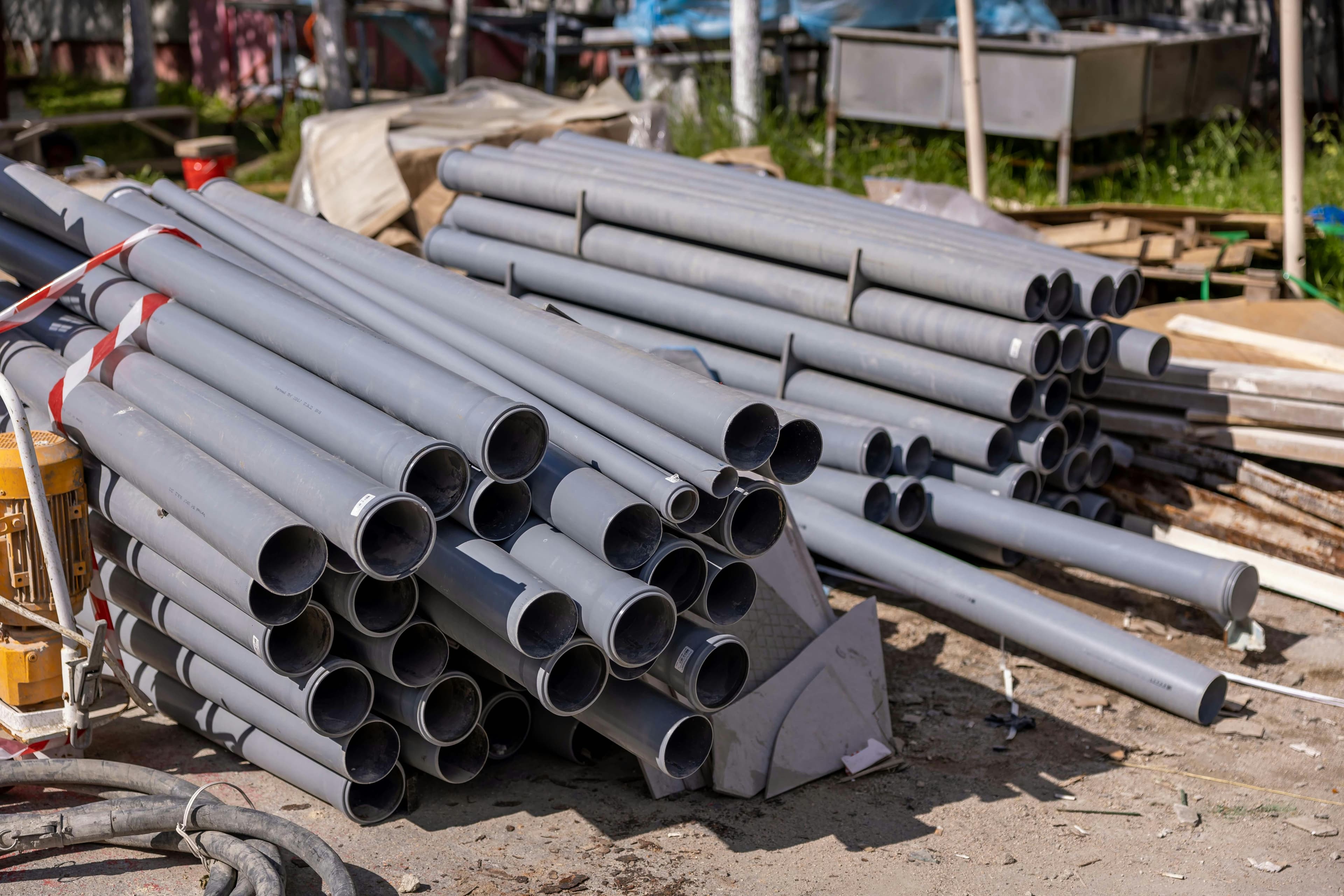
PVC pipes and plumbing. Photo: Pexels
Common Uses for Polyvinyl Chloride (PVC)
Construction (Rigid PVC): Pipes, plumbing fittings, vinyl siding, window frames, door frames, gutters
Home Products (Flexible PVC): Shower curtains, vinyl flooring, bath mats, tablecloths, wallpaper
Food Packaging (Flexible PVC): Food wrap/cling film (some brands), deli wraps, bottle seals
Apparel (Flexible PVC): Synthetic leather (pleather), vinyl jackets, raincoats, rain boots
Household Items: Inflatable pool toys, air mattresses, beach balls, garden hoses
Is Polyvinyl Chloride (PVC) Safe? Health & Safety Recommendations
Microplastic Concerns: PVC sheds significant microplastic particles through wear and degradation.
Chemical Safety: Outside of microplastic shedding, PVC is considered the most toxic plastic due to concerns of phthalates, a particularly endocrine disrupting chemical. Phthalates easily leach from PVC products into food (food wrap), bodies (shower curtains, medical tubing), and environments. PVC also sheds vinyl chloride monomers, a known carcinogen linked to liver, brain, and lung cancer. Additionally, often contains lead, cadmium, or tin stabilizers that can leach out, particularly from older products. The off-gassing of volatile organic compounds (VOCs) from newly made PVC products, such as shower curtains, vinyl flooring, and car interiors are toxic to human health.
PVC pipes and plumbing. Photo: Pexels
Frequently Asked Questions About Polyvinyl Chloride (PVC)
Is PVC plastic?
Yes, PVC (Polyvinyl Chloride) is plastic. It's a chlorine-based synthetic polymer made from petroleum and salt. PVC is identified by recycling symbol #3 and is the third most produced plastic globally.
Does PVC shed microplastics?
Yes, PVC sheds microplastics, particularly flexible PVC products like shower curtains, flooring, and synthetic leather.
Are PVC shower curtains toxic?
Yes, PVC shower curtains are toxic. They off-gas VOCs (causing that strong "new shower curtain smell"), leach phthalates that can be absorbed through skin or inhaled, and release phthalates into bathroom air and water, which can can be absorbed through the skin and inhaled.