Teflon
What is Teflon?
Teflon is a brand name (owned by Chemours, formerly DuPont) for polytetrafluoroethylene (PTFE), a synthetic fluoropolymer coating known for its non-stick properties and revolutionized cooking by providing a surface that food wouldn't stick to, eliminating the need for excess oil or butter. Historically, Teflon manufacturing used PFOA (perfluorooctanoic acid), a toxic PFAS compound linked to cancer, thyroid disease, immune system damage, and developmental problems. While PFOA was phased out in 2015, replacement chemicals (GenX, PFBS, and other PFAS) may have similar problems. Additionally, Teflon coatings degrade with heat and use, potentially releasing toxic fumes and particles. The coating scratches and flakes into food, breaks down at temperatures above 500°F (releasing toxic fumes), and doesn't biodegrade.
For those seeking plastic-free living, replacing Teflon cookware with plastic-free alternatives is an imminent priority. Natural alternatives (cast iron, stainless steel, carbon steel) provide excellent non-stick performance when properly used, without the health concerns and for relatively inexpensive price points.
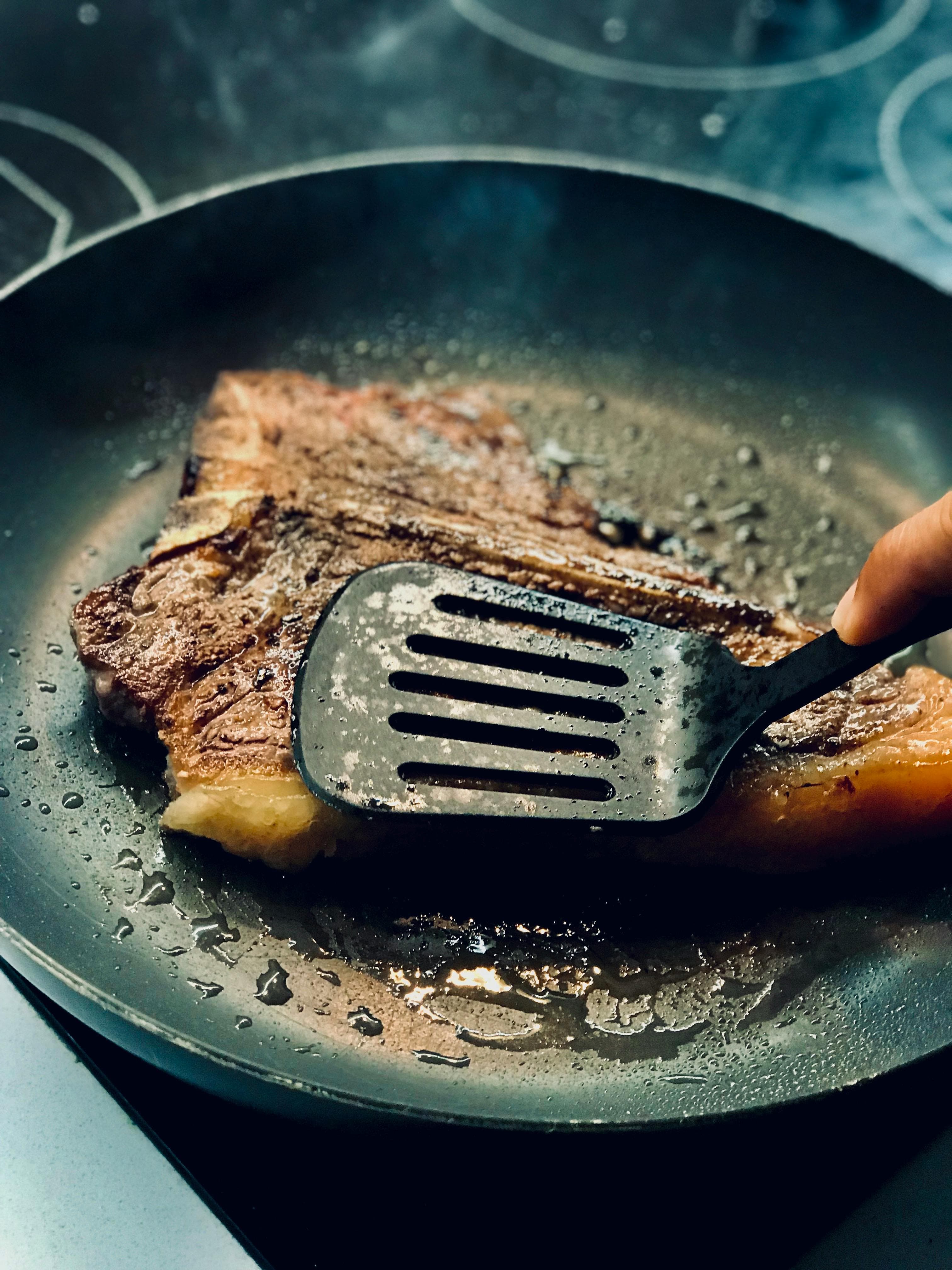
Food being prepared on a teflon-lined pan. Photo: Pexels
Common Uses for Teflon
Cookware: Non-stick frying pans, saucepans, stockpots, baking sheets, griddles
Kitchen Appliances: Waffle makers, sandwich presses, electric griddles, rice cookers, slow cookers
Bakeware: Cake pans, muffin tins, cookie sheets with non-stick coating
Kitchen Tools: Coated spatulas, whisks, tongs (less common)
Fabric Treatments: Water-repellent outerwear, stain-resistant carpets, treated upholstery
Industrial: Gaskets, seals, bearings, pipe fittings, electrical insulation
Plumbing: Thread seal tape (plumber's tape)
Medical: Some catheters, medical tubing (less common now)
Other: Nail polish, dental floss, cosmetics (PTFE as ingredient)
Is Teflon Safe? Health & Safety Recommendations
Microplastic/Microparticle Concerns: Teflon coatings degrade and flake with use, releasing microscopic PTFE particles into food. Scratched or worn non-stick cookware sheds visible flakes and invisible microparticles into meals.
Chemical Safety: Historically, Teflon manufacturing used PFOA (perfluorooctanoic acid), a toxic PFAS that causes cancer (kidney, testicular) and thyroid disease, damages immune system, affects child development, accumulates in blood and doesn't break down, and persisted forever in environment and bodies. The current PFAS (Per- and Polyfluoroalkyl Substances) replacement chemicals used in modern Teflon are also "forever chemicals", and have been found to suggest similar health concerns as PFOA.
Food being prepared on a teflon-lined pan. Photo: Pexels
Frequently Asked Questions About Teflon
Is Teflon plastic?
Yes, Teflon is technically a plastic. Its fluoropolymer (synthetic polymer containing fluorine atoms) is petroleum-based, synthetic, doesn't biodegrade, and creates persistent pollution, sharing many problematic characteristics with other plastics.
Does Teflon shed microplastics?
Yes, Teflon coatings degrade and shed microscopic PTFE particles into food, especially from scratched or worn pans.
Are cast iron pans really as non-stick as Teflon?
Properly seasoned cast iron develops excellent non-stick properties that rival Teflon for most applications. Cast iron becomes increasingly non-stick with use and proper seasoning maintenance. It excels for searing, frying, baking, and everyday cooking, all without shedding harmful chemicals into your food and into the air.
What should I do with Teflon cookware I already own?
Discard Teflon cookware immediately, especially if scratched or worn - degraded pans are most hazardous. Don't wait to wear it out. Replace with cast iron, stainless steel, or carbon steel alternatives. If you must use Teflon temporarily, never overheat or preheat empty, use only wood or silicone utensils (never metal), hand wash gently (no dishwasher), and replace as soon as possible. Remove pet birds from kitchen when using any non-stick cookware. Recycle through metal recycling if available (though coating contaminates recycling). Support PFAS bans and regulations to address the broader contamination problem.