Spandex (Elastane, Lycra)
What is Spandex (Elastane, Lycra)?
Spandex (also called elastane or by the brand name Lycra) is a synthetic polymer fiber known for its exceptional elasticity, capable of stretching up to 500-700% of its original length and recovering fully. Spandex is extensively used in small percentages (2-20%) blended with cotton, polyester, nylon, or other fibers to add stretch to clothing, activewear, swimwear, and undergarments. Spandex revolutionized fashion and athletic wear by allowing form-fitting, flexible garments that maintain shape and comfort during movement, however, even small amounts in blends shed microplastics.
For those seeking plastic-free living, spandex is the most commonly added plastic-based fabrics to otherwise plastic-free clothing blends, often hidden on product material listings.

Athletic wear made from spandex. Photo: Wikipedia
Common Uses for Spandex (Elastane, Lycra)
Activewear: Leggings, yoga pants, running shorts, sports bras, athletic tops, compression wear
Swimwear: Swimsuits, swim trunks, rash guards, competition swimwear
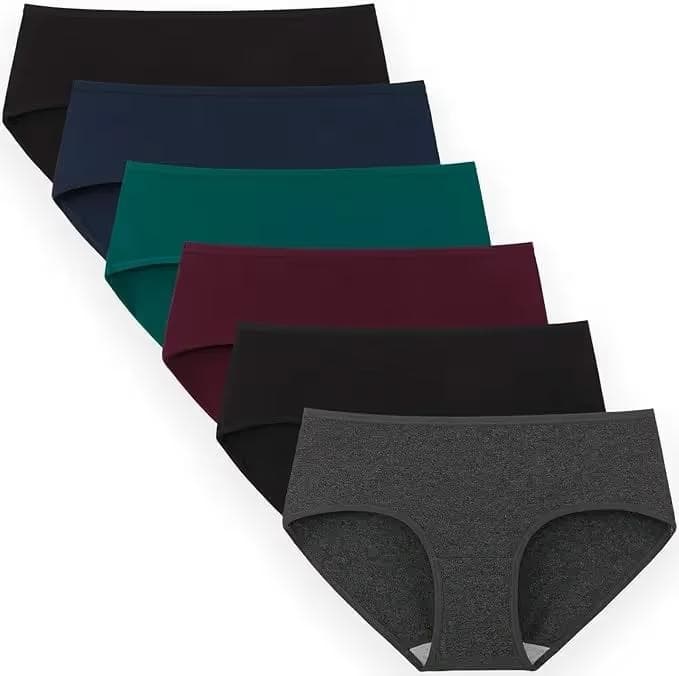
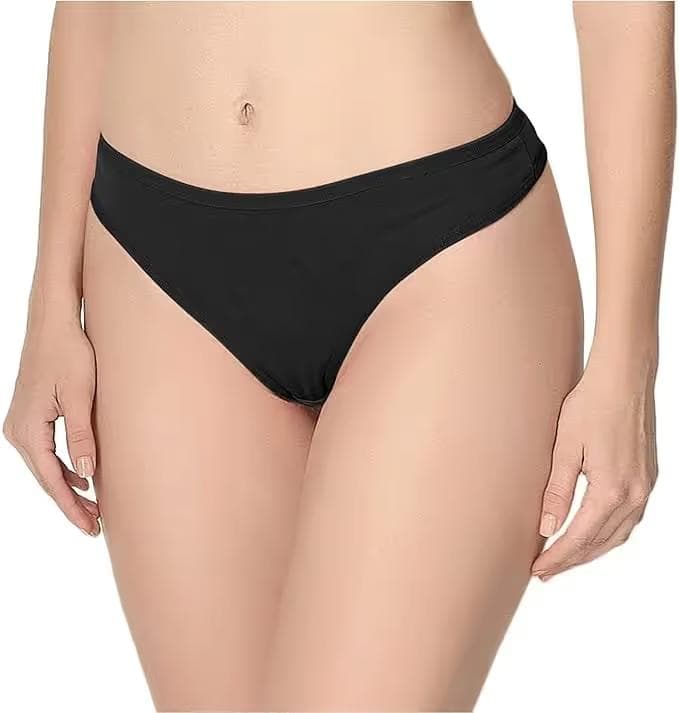
Undergarments: Underwear, bras, shapewear, compression garments, body shapers
Hosiery: Tights, stockings, socks (stretch socks), pantyhose
Casual Clothing: Stretch jeans, fitted t-shirts, skinny pants, fitted dresses
Performance Wear: Cycling shorts, dance wear, gymnastics attire, skating costumes
Blended Fabrics: Small percentages (2-20%) in cotton, polyester, nylon garments for stretch
Is Spandex (Elastane, Lycra) Safe? Health & Safety Recommendations
Microplastic Concerns: Spandex sheds substantial amounts of microplastics, even when present in small percentages in fabric blends. Activewear and "athleisure" clothing (leggings, yoga pants, sports bras) typically contain 10-30% spandex and shed even more microplastics. Spandex's elasticity means it experiences constant stretching and friction during wear, accelerating fiber release even before washing. Even tiny amounts of spandex in clothing blends make the entire garment, particularly in exterior components, a microplastic source.
Chemical Safety: Spandex production and finished fabric involve numerous chemical concerns other than microplastic shedding. Manufacturing uses toxic chemicals including diisocyanates (can cause respiratory problems, asthma, sensitization), dimethylformamide (DMF, a toxic solvent), and various additives. Finished spandex fabric may contain residual chemicals from processing and production. Spandex garments often have additional chemical treatments: antimicrobial agents, moisture-wicking finishes, stain resistance, UV protection, DWR (durable water repellent) coatings that may contain PFAS.
Athletic wear made from spandex. Photo: Wikipedia
Frequently Asked Questions About Spandex (Elastane, Lycra)
Is spandex plastic?
Yes, spandex is plastic. It's a petroleum-based synthetic polymer (polyurethane-polyurea copolymer) made through chemical processes. Spandex is essentially stretchy plastic fiber woven into fabric. The terms spandex, elastane, and Lycra all refer to the same plastic material.
Does spandex shed microplastics?
Yes, spandex sheds substantial amounts of microplastics, even when present in small percentages (2-5%) in fabric blends. Activewear with 10-30% spandex sheds even more.
What's the difference between spandex, elastane, and Lycra?
Spandex, elastane, and Lycra are all names of for the same material. Spandex is the commonly used term in North America, while elastane is the international/European term. Lycra is DuPont's name brand and is often used generically.
What should I do with spandex clothing I already own?
If spandex is makes up a very small percentage of your current articles of clothing, replacing those pieces can be prioritized after switching out other, more plastic clothing first - especially if the plastic-based clothing pieces you own are skin-contacting.